



Why Your Diet Matters During Monsoon
The shift in weather during the monsoon affects more than just the environment; it impacts our bodies too. According to traditional Ayurvedic wisdom, the rainy season, or 'Varsha Ritu', is a time when our digestive fire, known as 'Agni', naturally weakens.
This can lead to issues like bloating, indigestion, and a general feeling of sluggishness. The high humidity also creates a breeding ground for bacteria and viruses, making us more susceptible to infections. Therefore, focusing on a diet of warm, light, and freshly cooked meals becomes essential to support digestion and bolster immunity. Simple, home-cooked food is often the best choice over heavy or rich meals.
Embrace Seasonal Vegetables
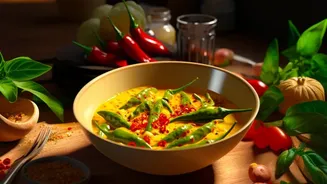
The monsoon harvest offers a variety of vegetables that are perfectly suited for the season. Gourds like bottle gourd (lauki), bitter gourd (karela), ridge gourd (turai), and pointed gourd (parwal) are excellent choices. They are light, easy to digest, and rich in essential nutrients. Other good options include Indian squash (tinda) and elephant foot yam. While leafy greens are generally healthy, it's wise to be cautious during the monsoon. Vegetables like spinach and cabbage can carry a lot of dirt and moisture, making them prone to contamination. If you do consume them, ensure they are washed thoroughly and cooked completely rather than eaten raw.
Power Up with Monsoon Fruits
While heavy, water-dense fruits like watermelon are best avoided, the monsoon offers its own basket of delicious and beneficial fruits. Jamun (Java plum) is a quintessential monsoon fruit, celebrated for its unique taste. Pears, plums, and peaches are also in season and provide a healthy dose of vitamins and fibre. Fruits like pomegranate and papaya are highly recommended for their digestive and immunity-boosting properties. Amla, or Indian gooseberry, is a powerhouse of Vitamin C and a fantastic immunity booster for this season. It is always best to buy whole fruits, wash them well at home, and cut them just before eating to minimise the risk of contamination.
Rediscover Traditional Grains and Millets
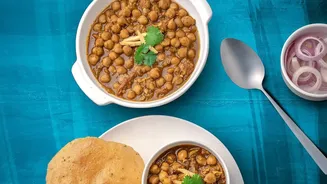
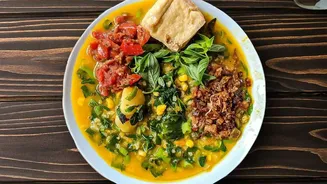
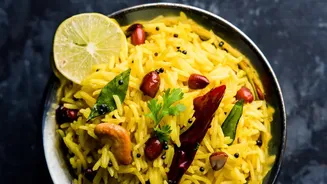
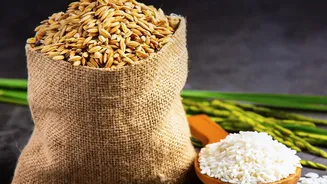
The rainy season is the perfect time to incorporate traditional Indian grains and millets into your diet. These grains are often lighter and easier to digest than refined wheat and rice. Millets such as Ragi (finger millet), Jowar (sorghum), Bajra (pearl millet), and others like foxtail and barnyard millet are excellent choices. They can be used to make rotis, porridge, or even a comforting bowl of khichdi. Barley (jau) is another beneficial grain, known for being light on the stomach. According to Ayurveda, warm and simple meals like khichdi, made from rice and moong dal, are considered ideal monsoon food as they are nourishing without straining the digestive system.
Harness the Power of Spices and Herbs
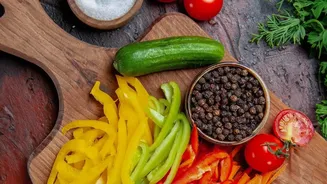
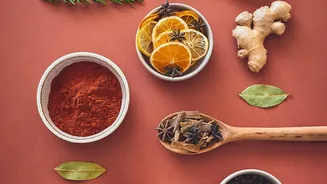
Spices are a cornerstone of Indian cooking, and they play a vital role in a monsoon diet. Warming spices and herbs like ginger, garlic, turmeric, black pepper, and asafoetida (hing) are known to aid digestion and have anti-inflammatory properties. Starting your day with herbal teas made from ginger, tulsi (holy basil), or cinnamon can help keep you warm and strengthen your immunity. Garlic, in particular, contains compounds known for their antimicrobial properties. Turmeric is a natural antibiotic that can be easily included in daily meals. These simple additions can make a significant difference in keeping seasonal illnesses at bay.
Foods to Approach with Caution
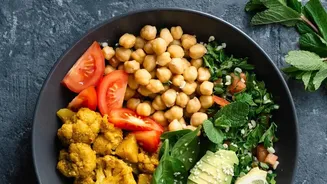
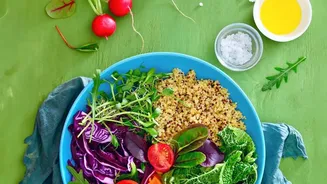
Just as important as knowing what to eat is knowing what to avoid. Street food, especially items like chaat and juices made with unfiltered water, carries a high risk of contamination during this season. It’s also wise to limit heavy, deep-fried snacks like pakoras and samosas; while tempting, they can be hard on a sluggish digestive system. Raw foods, including salads and sprouts, can harbor harmful bacteria and should be avoided or consumed only after cooking. Seafood should also be approached with care, as the monsoon is the breeding season for many fish, and spoilage can occur quickly.