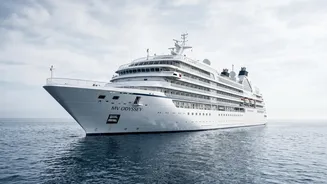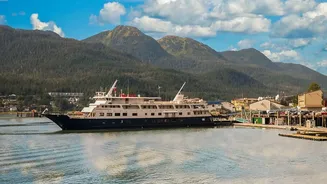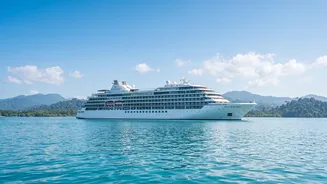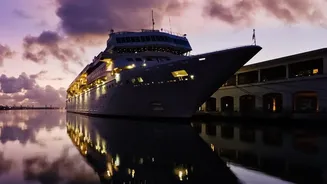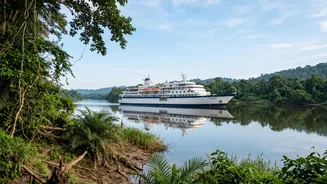



For residents of the MV Odyssey, it was the dream of a lifetime: a continuous, multi-year voyage around the globe. But that dream came to an abrupt and shocking end, with Cambodia becoming the final, unplanned destination for all on board.
The Seven-Hour Eviction
The message
appeared on the ship’s internal communication system at 7:08 a.m.: all passengers had to be off the vessel by 2 p.m. This wasn't a temporary shore excursion; it was a permanent disembarkation. The MV Odyssey, a residential cruise ship operated by Villa Vie Residences, had suspended its global voyage indefinitely. Passengers, many of whom had sold their homes and invested their life savings to live permanently at sea, were given less than seven hours to pack their belongings. They were then transported by shuttle buses from the Sihanoukville port and dropped in the middle of the city, left to find their own accommodation and figure out what came next. For its 203 passengers and 156 crew members, the journey was over.
A Floating Home, A Global Neighbourhood
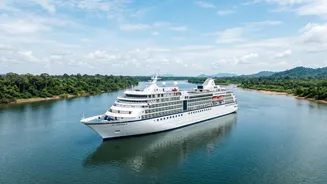
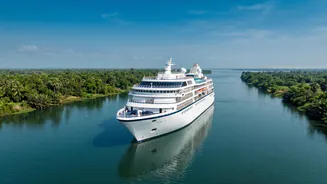
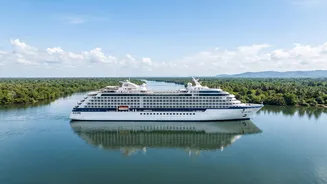
The Villa Vie Odyssey was more than a cruise ship; it was marketed as a permanent home. Setting sail from Belfast in October 2024, the vessel was meant to be on a continuous journey around the world, lasting years. Residents could purchase cabins for the lifetime of the vessel, with prices starting around $230,000, plus substantial monthly fees to cover food, services, and fuel. It was an ambitious experiment in residential cruising, attracting a community of global citizens, mostly Americans, who traded land-based life for a perpetual adventure. For many, like sisters Carol Larson and Crystal Lavering, the ship had become a sanctuary and a community they did not want to leave.
The Financial Collapse
Villa Vie Residences officially blamed the suspension on 'extraordinary increases in fuel costs' linked to global conflicts, which it claimed made the business model financially unsustainable. The company stated that monthly fuel costs per cabin had skyrocketed in Asia. However, passengers on board tell a more complicated story. For months, they had witnessed signs of trouble, including frequent itinerary changes, declining food quality, and unreliable internet service. According to some residents, the company was repeatedly asking for additional money for fuel and other expenses long before the final halt, suggesting deeper issues of mismanagement. The crew had reportedly not been paid, and some passengers had already abandoned the voyage due to the deteriorating conditions.
Stranded in Sihanoukville
The unplanned final stop was the Cambodian coastal city of Sihanoukville. Once a quiet beach town, it was never intended to be the end of a multi-year global tour. Now, it has become the temporary, and bewildering, base for hundreds of displaced residents. Passengers reported feeling 'heartbroken' and 'shell-shocked', with some having no home to return to. While the cruise operator said it was working to assist with 'temporary living arrangements', many passengers felt abandoned, forced to book their own hotels and navigate their futures from a foreign country with no support system. Some are planning to travel onward through Southeast Asia, while others remain in Cambodia, clinging to the faint hope that the voyage might be revived.