



The Fragile Business of Flowers
For the majority of India's floriculture cultivators, who are small and marginal farmers, the business is fraught with uncertainty. Roses and other cut flowers are highly perishable. Once harvested, their beauty and market value diminish rapidly due to their delicate
nature. Experts estimate post-harvest losses for flowers in India can be as high as 30-40%, a staggering figure driven by a lack of adequate infrastructure for handling, storage, and transportation. Without access to cold storage, farmers are often forced to sell their produce immediately, which can lead to gluts in the local market and depress prices. This rush to sell, combined with the flowers' short shelf life, puts growers in a weak bargaining position, directly impacting their income.
An Introduction to the Solar Cold Chain
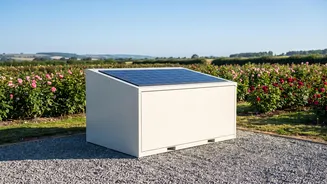
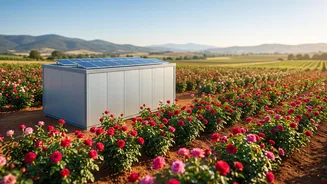
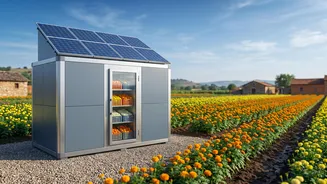
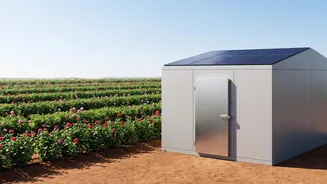
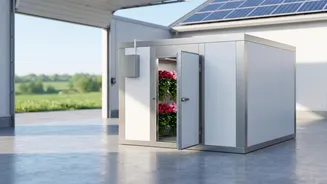
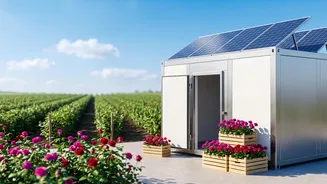
A cold chain is an uninterrupted series of refrigerated production, storage, and distribution activities that maintain a given low-temperature range. For flowers, this means keeping them cool from the moment they are cut until they reach the final customer. The innovation transforming this process for rural farmers is the use of solar power. Solar-powered cold storage units are off-grid or hybrid systems that use photovoltaic panels to power refrigeration. These units, which can range from small, portable coolers to larger walk-in rooms, provide reliable cooling without depending on erratic or non-existent grid electricity in remote areas. By storing the sun's energy, often in thermal or electrical batteries, these systems can provide 24/7 cooling, preserving the quality of the harvest.
From Wilting Blooms to Winning Profits
The impact of solar cold storage is immediate and profound. By preserving flowers at an optimal temperature, farmers can dramatically reduce spoilage and extend the shelf life of their harvest by several days. This newfound stability empowers them to aggregate their produce and wait for better market prices instead of being forced into distress sales. Quality is preserved, meaning the flowers that do go to market are fresher, more vibrant, and command a higher price. Furthermore, with the ability to store their harvest, farmers can access more distant and lucrative urban or export markets that were previously out of reach due to long transit times. This access not only increases income but also diversifies their customer base, making their business more resilient.
A Sustainable Solution for Rural India
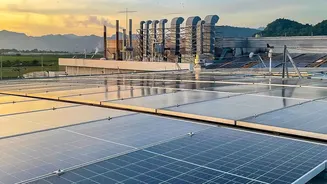
The benefits of solar-powered solutions extend far beyond the immediate economic gains. In rural areas where power cuts are frequent, solar energy offers unparalleled reliability. It provides a clean, sustainable alternative to expensive and polluting diesel generators, which many have historically relied upon for power. This reduces the operational costs for farmers and aligns agricultural practices with broader environmental goals by lowering carbon emissions. The technology is often deployed through community-based models, such as Farmer Producer Organisations (FPOs), which own or lease the units, making them affordable and accessible even for smallholders. This decentralized approach strengthens local supply chains and empowers entire communities, proving that green technology can drive grassroots economic development.
The Human Impact of a Cooler Harvest
Ultimately, this technology is changing lives. For a farmer who previously watched a significant portion of their hard work wilt away, the ability to prevent losses provides immense financial and emotional relief. Increased and more stable incomes allow farming families to invest back into their farms, their children's education, and their overall quality of life. Women farmers, in particular, have been noted as key adopters and beneficiaries of these systems, gaining greater financial independence and a stronger role in their community's agricultural economy. Stories from across India, from Karnataka to Andhra Pradesh, show farmers expressing a new sense of confidence and security, knowing their delicate, high-value crops are protected from the moment they are picked.