







Know Before You Go
Before booking any tickets or packing your bags, the first step is to become your own weather expert. The India Meteorological Department (IMD) has issued alerts for heavy to extremely heavy rainfall across numerous states, including Maharashtra, Gujarat,
West Bengal, and several regions in North, South and Northeast India. These aren't just light showers; they are intense spells leading to real-world consequences like waterlogging, flash floods, and landslides. Check the IMD website for the latest district-wise warnings. Pay attention to colour-coded alerts (red, orange) as they indicate the severity of expected conditions. Consider your destination carefully; hill stations like those in Himachal Pradesh may be beautiful but carry landslide risks, while coastal areas face strong currents and flooding.
Rethink Your Transport
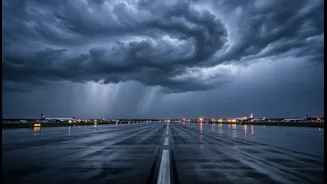
Heavy rains are causing significant disruptions to flights, trains, and road travel. Recent downpours in Mumbai led to flight delays, cancellations, and temporary runway closures. Airlines like IndiGo and Air India have issued advisories urging passengers to check their flight status before heading to the airport. Similarly, train services have been impacted, with waterlogging on tracks causing cancellations and significant delays. Road travel is equally perilous. Urban areas like Delhi and Mumbai are experiencing severe waterlogging, turning simple commutes into hours-long ordeals. Highways can be unpredictable, with risks of flooding in low-lying areas and landslides in hilly terrain. If you must travel, build extra time into your schedule, have backup plans, and consider if the journey is truly essential during peak rainfall alerts.
Pack for Preparedness
Your packing list needs a monsoon-specific upgrade. Quick-drying synthetic clothes are far more practical than cotton. A reliable raincoat and umbrella are non-negotiable. Invest in waterproof footwear with a good grip; flip-flops can be dangerous on slippery, dirty streets. A crucial addition is a waterproof bag or cover for your luggage and, most importantly, for your electronic devices like phones, cameras, and power banks. Power cuts are common during heavy rains, so a fully charged power bank is a lifesaver. Also, pack a basic first-aid kit with medications for common ailments like colds, fever, and indigestion, along with antiseptic creams and bandages. An insect repellent is essential, as the monsoon is peak breeding season for mosquitoes that transmit diseases like dengue and malaria.
Stay Healthy on the Move
The risk of illness increases significantly during the monsoon. Waterborne diseases such as cholera, typhoid, and gastroenteritis are a major concern due to the high chance of water contamination. Sewage can mix with floodwaters and even infiltrate drinking water supplies. As a rule, avoid street food, especially items that are uncooked or have been sitting out. Be wary of cut fruits and salads. Drink only bottled or boiled water, and ensure it's from a reliable source. High humidity also allows bacteria and fungi to thrive, leading to a spike in infections. Maintaining personal hygiene is key. Wash your hands frequently and try to keep dry to avoid fungal skin infections.
Flexibility Is Your Best Friend
In the current weather scenario, rigid plans are bound to cause stress. The most important travel tool you can have is a flexible mindset. Book flights and hotels that offer easy cancellation or rescheduling. Be prepared for the possibility that your plans might change at the last minute due to a sudden weather warning or a cancelled train. Instead of getting frustrated by a downpour that foils your sightseeing plans, have an indoor alternative ready, like visiting a local museum or simply enjoying a hot cup of tea at your hotel. The beauty of the monsoon is often unpredictable, and embracing that unpredictability is part of the experience.