




The Mango: King of Fruits, Managed Smartly
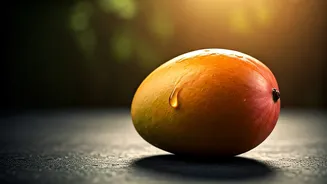
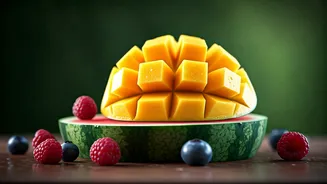
No Indian summer is complete without the glorious mango. This beloved fruit is not just delicious; it’s a powerhouse of vitamins A and C, antioxidants, and fibre. However, its high natural sugar content means it can spike your blood glucose if you’re
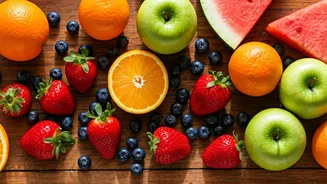
not careful. The key isn't to fear the mango, but to respect it. Nutritionists suggest enjoying it as part of a balanced meal rather than as a standalone snack, especially on an empty stomach. Pairing it with a source of protein or healthy fat, like a handful of nuts or a bowl of yoghurt, can slow down the absorption of sugar and keep you feeling full longer. Also, consider portion size. One medium-sized mango is a good serving; eating three in one sitting might be pushing it.
Sugarcane Juice: The Instant Energiser
A tall, chilled glass of ‘ganne ka ras’ is one of summer’s most refreshing street-side pleasures. It's a natural, unprocessed drink that provides an instant burst of energy and helps fight dehydration. But that instant energy comes from simple sugars. To give your glass some nutritionist energy, always ask for it without added sugar. The juice is sweet enough on its own. Adding a squeeze of lemon (nimbu) or a touch of ginger (adrak) not only enhances the flavour but also adds vitamin C and digestive benefits. More importantly, always prioritise hygiene. Watch where you buy it from, ensuring the machine is clean and the ice is made from filtered water. Treat it as a small, occasional treat rather than your primary source of hydration.
Lassi & Chaas: The Probiotic Coolers
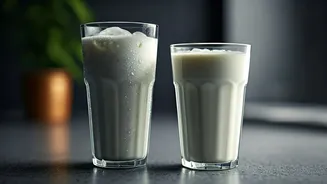
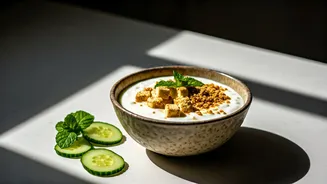
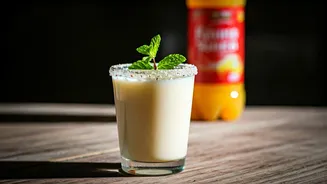
Yoghurt-based drinks are a traditional way to beat the heat, and for good reason. They are excellent for gut health, packed with probiotics, calcium, and protein. But there's a big difference between sweet lassi and salted chaas (buttermilk). A thick, sweet mango or rose lassi can sometimes contain as much sugar as a dessert. To enjoy it healthily, opt for a homemade version where you can control the sugar, or simply ask for a ‘less sweet’ option when buying. Better yet, embrace chaas. This lighter, often savoury sibling is incredibly hydrating, aids digestion with spices like cumin (jeera) and mint (pudina), and contains far fewer calories. It's the everyday hero of summer drinks.
Kulfi and Gola: The Frozen Indulgences
What’s summer without a creamy kulfi or a colourful ice gola? These frozen treats are pure joy. While they are high in sugar, and golas often contain artificial colours and syrups, you don't have to give them up entirely. The smart approach is about conscious indulgence. Think of them as a proper dessert, not a casual snack to have multiple times a day. When choosing, look for kulfis made with real milk and nuts over those with vegetable fat and artificial flavours. Fruit-based or milk-based options are generally better than syrup-drenched ice golas. An even better idea? Try making simple, healthy popsicles at home using real fruit juice, coconut water, or blended watermelon. It’s a fun activity and gives you complete control over the ingredients.
Nimbu Pani: The Ultimate Hydration Hero
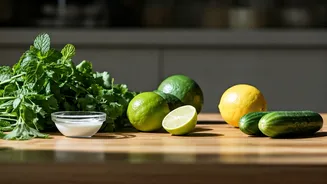
Sometimes the simplest things are the best. Nimbu pani (or shikanji) is the undisputed champion of summer hydration. It’s more effective than plain water at replenishing fluids and electrolytes lost through sweat, thanks to the combination of water, salt, sugar, and lemon. The vitamin C from the lemon boosts immunity, while the salt helps your body retain water. The nutritionist trick here is to get the balance right. Go easy on the sugar; you only need a small amount to help with electrolyte absorption. A pinch of black salt (kala namak) not only adds minerals but also aids digestion. It's the perfect, healthy base you can sip on throughout the day to stay cool and energised.