






The Shifting Tides of Goan Travel
For decades, Goa’s identity has been anchored to its famous beach circuit, from the bustling energy of Baga and Calangute in the north to the relaxed shores of Palolem in the south. This coastal strip has been the engine of its tourism economy. However,
the very success of this model has led to new challenges. Overtourism in popular beach areas has brought seasonal congestion, strained infrastructure, and a sense of commercialisation that has left many visitors feeling disconnected. In response, discerning travellers are consciously turning away from the well-trodden path. They are looking past the parties and seeking peace, authenticity, and a deeper connection to the place—a trend that is reshaping Goa’s tourism map.
What is Hinterland Tourism?
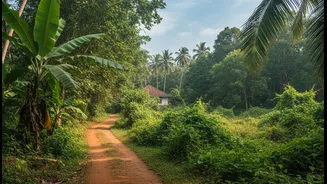
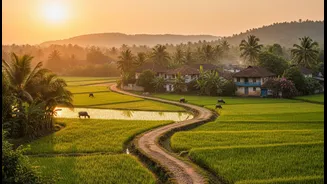
Hinterland or village tourism is about immersing oneself in the Goa that exists beyond the coastline. It's a move away from resorts and towards heritage homestays, trading crowded beaches for lush spice plantations, and swapping nightclubs for quiet evenings in a traditional Portuguese-style courtyard. This shift is not just a passing trend; it's being actively encouraged by the Goan government, which is promoting a vision of “regenerative tourism.” The focus is on developing sustainable travel experiences that benefit local communities directly, preserve the environment, and offer visitors a more meaningful cultural exchange. It’s about discovering the state’s rich biodiversity in places like the Netravali Wildlife Sanctuary or exploring ancient temples tucked away in the forest.
The Search for Authentic 'Susegad'
At the heart of this movement is a desire to experience 'susegad'—the unique Goan contentment and relaxed attitude towards life. This is something often lost in the tourist rush but found in abundance in the villages. An authentic village experience might mean waking up to the sound of a traditional baker, or 'poder', making his rounds with fresh bread. It could involve a leisurely walk through a family-owned spice farm in Ponda, smelling the cardamom and cloves in the air, followed by a home-cooked meal prepared with generations-old recipes. Travellers are finding joy in the simple, sensory details: the intricate architecture of heritage homes in Saligao, the taste of freshly plucked cashews, or watching fishermen bring in their morning catch in a quiet coastal village like Betul.
Goan Villages to Explore
While experienced travellers now say the real question is “which village?” rather than “North or South Goa?”, a few names consistently emerge as hubs of this new wave of tourism. Assagao, often called the 'Land of Flowers', has become a chic haven for artists, writers, and designers, blending beautiful old villas with stylish boutiques and cafés. For a taste of coastal life without the crowds, villages like Agonda and Galgibaga in the south offer pristine beaches, with the latter being a protected nesting site for Olive Ridley turtles. Further inland, villages like Chandor and Loutolim are living museums of Indo-Portuguese history, with magnificent heritage houses open to visitors. For those seeking nature, the villages surrounding the Chorla Ghats or Netravali provide a gateway to the dense forests and waterfalls of the Western Ghats.
How to Plan Your Village Escape
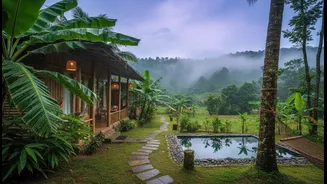
Embracing village life is easier than ever. The rise of officially registered homestays and heritage properties allows you to live with a local family and experience their way of life firsthand. When planning, consider renting a scooter or car for the freedom to explore the winding village roads at your own pace. While the winter months are peak season, the monsoon transforms the hinterlands into a lush, green paradise, offering a different but equally magical experience. Most importantly, travel with a sense of curiosity and respect. Engaging with local artisans, eating at small family-run restaurants, and taking the time to learn about the local culture will make your trip infinitely more rewarding.