







Think Beyond the Main Ticket
The first step to a realistic transport budget is looking at the entire journey, not just the single big-ticket item like a flight. Your travel day involves multiple stages, each with a potential cost. This includes the ride from your home to the airport,
parking fees if you drive, the flight itself, and then the transfer from your destination airport to your hotel. These 'first and last mile' costs are frequently overlooked but can add a significant amount to your total spend. Before you book anything, research the average cost of a taxi, rideshare, or airport express train in your destination city. Factoring in these smaller, essential trips provides a much more accurate starting point for your budget.
Research Local Transit Options
Once you've arrived, you still need to get around. Relying solely on taxis or ride-hailing apps can quickly drain your funds, especially in major cities. Before your trip, investigate the local public transportation network. Most large cities offer efficient and affordable metro, tram, or bus systems that connect major attractions. Look for multi-day or weekly transit passes, which often provide substantial savings for tourists planning to explore extensively. Many cities also have dedicated apps for their public transport systems, allowing you to plan routes and even purchase tickets in advance. Understanding these options not only saves money but also offers a more authentic travel experience.
Calculate the True Cost of a Rental Car
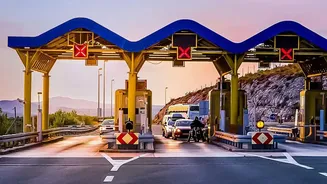
Renting a car can offer freedom and flexibility, but its true cost is often much higher than the daily rental rate. When budgeting for a rental, you must also account for mandatory insurance, fuel costs, and potential 'off-road' fees for leaving main highways in some areas. Don't forget to research the cost of parking, which can be expensive in city centres and at hotels, as well as any road tolls you might encounter. Sometimes, the convenience of a rental car is worth the price, but it's crucial to add up all these associated expenses to see if it truly fits your budget compared to using a mix of public transport and occasional taxis.
Budget for Spontaneity and Small Trips
Not every trip is planned. Your budget should have a buffer for spontaneous decisions, like taking a late-night taxi back to your hotel after dinner or deciding on a last-minute day trip to a nearby town. These unplanned journeys are part of the adventure, but they come with a cost. A good rule of thumb is to add a 'miscellaneous' or 'buffer' category to your transport budget, perhaps 10-15% of your total estimated cost, to cover these unexpected rides. This prevents a single spontaneous choice from throwing your entire budget off track and allows you to enjoy these moments without financial stress.
Use Tools to Track Your Spending
Creating a budget is one thing; sticking to it is another. A simple spreadsheet in Google Sheets or Excel is a great way to list your planned expenses and track your actual spending as you go. For those who prefer a more automated approach, numerous travel budgeting apps can help. Apps like TravelSpend, Tricount, and Splitwise are designed to track expenses on the go, categorize your spending, and even convert currencies automatically. Many of these apps also work offline, which is perfect for when you don't have a reliable internet connection. Daily tracking helps you see where your money is going and allows you to make adjustments early if you start to overspend.