







A Simple Solution for a Hot Problem
Across India's urban landscape, from bustling metros to smaller cities, the challenge of extreme heat is a shared reality. Top-floor flats and homes with direct sun exposure can become unbearably hot, pushing families to rely on costly air conditioning.
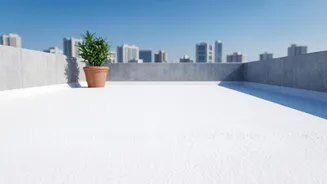
This is where cool roof paints, also known as solar reflective coatings, come in. These are not just ordinary white paints; they are specialised formulations designed with high solar reflectance and thermal emittance. This means they reflect a majority of the sun's radiation back into the atmosphere and efficiently release the small amount of heat they do absorb. The concept has been successfully implemented in Indian cities like Hyderabad and Ahmedabad, proving its effectiveness in our climate.
The Science of Staying Cool
The effectiveness of these paints is based on two key properties. The first is solar reflectance, measured by the Solar Reflectance Index (SRI). A higher SRI value indicates that the surface reflects more sunlight. While a standard dark roof might absorb over 80% of solar energy, a cool roof coating can reflect up to 90% of it. The second property is thermal emittance, which is the material's ability to radiate absorbed heat away. High-performance cool paints often use additives like titanium dioxide or ceramic microspheres to boost these properties. The combined effect is a roof surface that stays significantly cooler, preventing heat from transferring into the rooms below. Think of it as giving your building a permanent, highly effective white shirt to wear on a sunny day.
Real-World Temperature Drops and Savings
The impact of this technology is measurable and significant. Studies and real-world projects across India have shown that applying a cool roof coating can reduce indoor temperatures by 3°C to 7°C. On the roof's surface itself, the temperature drop can be as dramatic as 20°C to 30°C compared to a conventional roof. This translates directly into more comfortable living conditions, especially for households without air conditioning. For those with AC units, the energy savings are substantial, with studies noting reductions in cooling-related energy use by 15% to 30%. In places like Ahmedabad, cool roof programmes are credited not just with saving energy but also with improving health and productivity for residents.
Unpacking the 'Affordable' Claim
Compared to the high upfront cost and recurring electricity bills of an air conditioner, cool roof paints present a genuinely affordable alternative. The cost of materials and labour for painting a roof can range from approximately ₹500 to ₹1,500 for a basic application on a small home. More advanced elastomeric or ceramic coatings may cost more, but they often come with added benefits like waterproofing and greater durability. When you consider the annual savings on electricity—which can be anywhere from ₹15,000 to ₹20,000 for some households—the initial investment often pays for itself within a couple of years. This makes it a financially sound decision for a wide range of urban families looking to manage their budgets without sacrificing comfort.
What to Consider Before You Paint
Before committing, it's good to know that not all cool paints are created equal. They come in various types, such as acrylic, elastomeric, and polyurethane, each with different levels of durability and cost. A good quality coating can last anywhere from 5 to 10 years before a fresh coat is needed, though this depends on local weather conditions and pollution. It is also important to ensure the roof surface is properly cleaned and prepared before application to achieve the best results. While cool roofs are highly effective at reducing heat gain, they work best as part of a holistic approach to cooling that may also include proper ventilation and shading. By choosing the right product and applying it correctly, you can unlock a powerful tool for natural cooling.