




As mist rises over the vast grasslands of Assam, the silhouette of a prehistoric giant emerges. This is Kaziranga National Park in winter, a sanctuary that beckons wildlife lovers for one primary reason: the magnificent greater one-horned rhinoceros.
The World's Rhino Stronghold
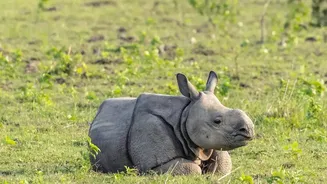
Kaziranga National Park is more than just a wildlife reserve; it is a global icon of conservation success. The park is home to the world's largest population of the greater one-horned rhinoceros, hosting over 2,600 individuals. This represents nearly two-thirds of the entire global population, which has rebounded from fewer than 100 individuals in the early 20th century to over 4,000 today. This remarkable recovery is the result of decades of dedicated conservation efforts, including strict anti-poaching measures and careful habitat management. For any safari seeker, this density means that rhino sightings are not just possible, but highly probable, making it one of the most reliable wildlife viewing experiences in India.
Why Winter is the Golden Season
While the park is accessible from October to May, the winter months from November to February are widely considered the best time to visit. After the monsoon floods recede, the park reopens, revealing a rejuvenated landscape. The weather is pleasantly cool and dry, with temperatures ideal for full-day explorations. Crucially, the tall elephant grass, which provides cover for animals during the monsoon, begins to dry out and thin. This improved visibility across the sprawling grasslands and wetlands makes it significantly easier to spot rhinos, often seen basking in the winter sun. Clearer skies and less haze also provide perfect conditions for photography.
More Than Just Rhinoceroses
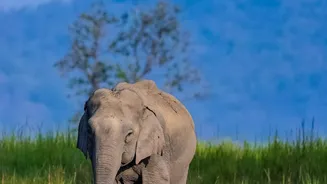
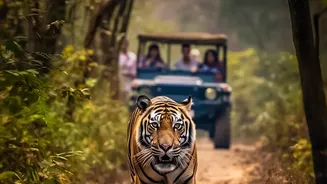
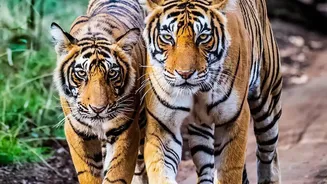
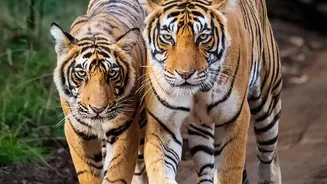
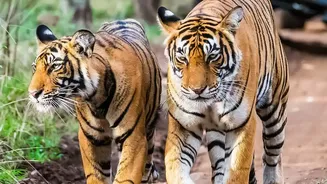
While the rhino is undoubtedly the main draw, Kaziranga's biodiversity is staggering. The park is often celebrated for its 'Big Five': the greater one-horned rhinoceros, the Royal Bengal tiger, the Asiatic elephant, the wild water buffalo, and the eastern swamp deer (Barasingha). Kaziranga boasts one of the highest tiger densities among protected areas globally and is home to a significant portion of the world's wild water buffalo population. Beyond these giants, the park teems with other mammals like hog deer, sloth bears, and the elusive hoolock gibbon, India's only ape. It's also an avian paradise, recognized as an Important Bird Area with over 500 species, including thousands of migratory birds that arrive in winter.
Planning Your Safari Adventure
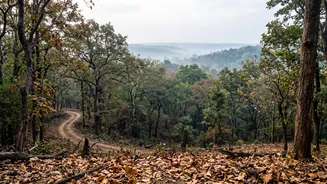
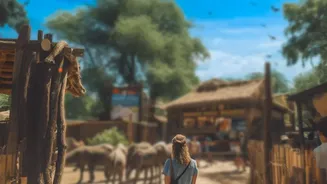
To manage tourism and protect the habitat, Kaziranga is divided into four main safari ranges, each offering a slightly different experience. The Central Range (Kohora) and Western Range (Bagori) are the most popular, known for their high frequency of rhino sightings in open grasslands. The Eastern Range (Agaratoli) is prized for its wetlands and excellent birdwatching, while the Burapahar Range offers a more rugged, forested terrain. Visitors can choose between two main types of safaris. The Jeep Safari allows you to cover more ground across the different ranges. For a more intimate and traditional experience, the early morning Elephant Safari offers a unique vantage point, moving quietly through the tall grass for exceptionally close encounters with wildlife, especially in the Western and Central zones.