


A Room with a 360-Degree View
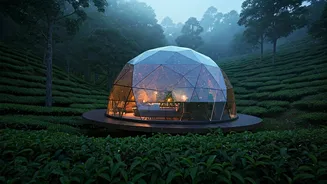
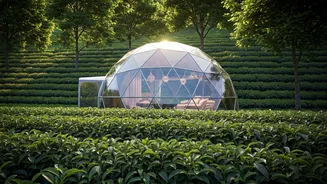
Forget traditional hotels with their rectangular rooms and predictable balconies. A new architectural marvel is dominating the wishlists of Indian travellers: the geodesic dome. These spherical, futuristic structures, often featuring transparent panoramic
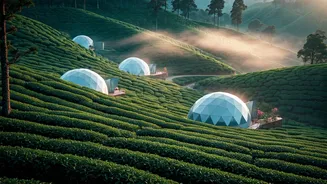
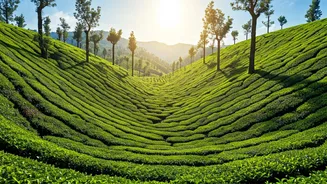
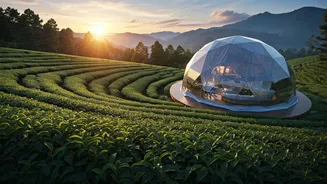
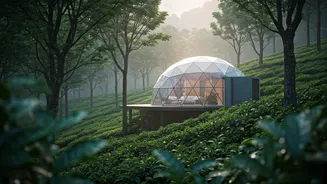
walls, are popping up in some of India’s most stunning landscapes, most notably the sprawling tea plantations of Munnar in Kerala. Part tent, part luxury suite, these domes offer an immersive experience that traditional accommodation simply cannot match. They place you directly in nature without sacrificing the comforts of a high-end stay, creating a unique intersection of adventure and luxury that has proven irresistible.
Designed for the Digital Age
The headline's claim about social media hits is no exaggeration. These domes are, in essence, perfectly engineered for viral fame on platforms like Instagram. The visual appeal is undeniable: the contrast of the sleek, white dome against the lush, organic greenery; the perfect symmetry of the structure framing a breathtaking sunrise; the cosy, stylish interiors looking out onto a vast, natural expanse. Every angle provides a 'money shot.' Travel influencers and regular tourists alike have found that a single photo from a tea-field dome can garner thousands of likes and comments, sparking widespread curiosity. This isn't accidental. Property owners are well aware that in today's travel economy, being 'Instagrammable' is as important as having comfortable beds or good service. The dome is both a place to stay and a powerful marketing tool in itself.
More Than Just a Pretty Picture
While the photogenic quality is what draws many in, the lasting appeal of glamping domes goes deeper than a well-curated social media feed. The experience is rooted in the core tenets of 'glamorous camping' or glamping: a direct connection to the outdoors without the hassle and discomfort of traditional camping. Guests can listen to the sounds of nature, watch the stars through the transparent ceiling from a plush bed, and enjoy the solitude of the hills. Unlike a hotel, where you are insulated from the environment, a dome makes the landscape the main character. It offers a sense of seclusion and peace that is a powerful antidote to hectic urban life. It’s an experience that engages all the senses, not just the visual one.
The Rise of Experiential Stays
The popularity of geodesic domes is part of a larger shift in the Indian travel landscape. Post-pandemic, travellers are increasingly seeking out unique, private, and experience-driven stays over cookie-cutter hotel chains. They want novelty, exclusivity, and a story to tell. Glamping domes, treehouses, and tiny cabins cater perfectly to this demand. They are not just places to sleep but destinations in their own right. Operators in regions like Munnar, Coorg, and even parts of Himachal Pradesh have been quick to capitalise on this trend. They offer curated packages that might include plantation walks, local culinary experiences, and bonfire nights, turning a simple stay into a memorable, multi-faceted holiday. This model moves beyond simple tourism and into the realm of curated experiences.