






What Exactly Is the Skin Barrier?
Think of your skin’s outermost layer, the stratum corneum, as a brick wall. The 'bricks' are your skin cells (corneocytes), and the 'mortar' holding them together is a mix of natural lipids like ceramides, cholesterol, and fatty acids. This structure
is your skin barrier. Its two main jobs are simple but vital: to keep water locked inside your skin to maintain hydration, and to keep harmful elements—like pollution, allergens, and bad bacteria—out. When this barrier is healthy and intact, your skin looks plump, smooth, and calm. When it's compromised, it can lead to dryness, sensitivity, redness, and breakouts.
Why the Monsoon Is a Major Threat
The rainy season brings a unique set of challenges. The constant high humidity can be deceptive. While the air is moist, it can disrupt your skin's natural balance. This humid environment creates a perfect breeding ground for bacteria and fungi, which is why issues like fungal acne, clogged pores, and sudden breakouts become so common. Furthermore, your skin might feel oily or sticky, tempting you to wash your face more often or use harsh products. This impulse to 'deep clean' can strip away the essential lipids in your skin barrier, leaving it weak and vulnerable. A damaged barrier during the monsoon is an open invitation for inflammation and infection.
Rule 1: Cleanse Gently, Not Aggressively
Fighting the monsoon stickiness by overwashing is one of the biggest mistakes you can make. Stripping your skin with harsh, foaming cleansers compromises your barrier instantly. Instead, focus on effective but gentle cleansing. Consider double cleansing in the evening, especially if you wear makeup or sunscreen. Start with an oil-based cleanser to dissolve impurities and follow with a mild, pH-balanced, non-foaming cleanser. This method removes grime, excess sebum, and pollutants without disturbing your skin’s delicate lipid matrix. In the morning, a simple rinse with water or a very gentle cleanser is often enough.
Rule 2: Embrace Lightweight Hydration
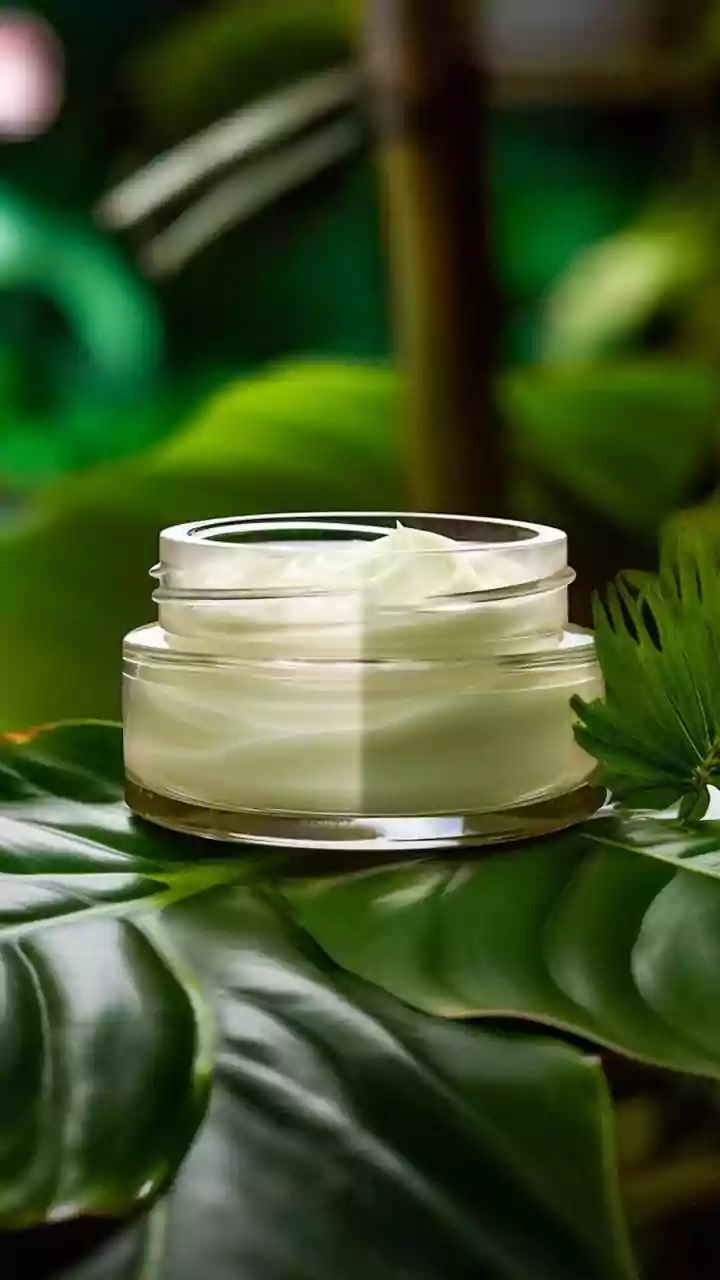
It’s a common myth that oily, sticky skin doesn't need moisturiser. In fact, skipping it can make things worse. When your skin is dehydrated—even in a humid climate—your glands may overcompensate by producing even more oil. The key is to choose the right kind of hydrator. Ditch the heavy, occlusive creams you might use in winter. Instead, opt for lightweight, gel-based, or water-based moisturisers that provide hydration without feeling greasy. Look for ingredients like hyaluronic acid, which draws moisture into the skin, and glycerin. A good lightweight moisturiser will support your skin barrier without clogging your pores.
Rule 3: Repair and Protect with Actives
The monsoon is the perfect time to incorporate barrier-supporting ingredients into your routine. Niacinamide is a superstar ingredient for this season; it helps regulate oil production, reduces inflammation, and is proven to strengthen the skin barrier by boosting ceramide production. To manage breakouts, gentle chemical exfoliants like salicylic acid (in low concentrations, 1-2%) can be very effective at keeping pores clear. However, be cautious. Avoid introducing too many new active ingredients at once, and steer clear of harsh physical scrubs or high-percentage acids that can cause further damage.
Rule 4: Don't Skip the Sunscreen
The clouds might be out, but harmful UVA and UVB rays are not on vacation. Sun exposure is one of the leading causes of skin barrier damage, breaking down collagen and creating inflammation. Failing to protect your skin from the sun will undo all your other efforts. Apply a broad-spectrum sunscreen with at least SPF 30 every single day, even if you’re staying indoors most of the time. To avoid a heavy, greasy feeling, look for modern gel-based or matte-finish sunscreen formulas. They are designed to feel comfortable on the skin, even in peak humidity, providing essential protection without the stickiness.