







What is a Tax Credit Mismatch?
A tax credit mismatch is a simple but costly problem: the tax credit you've claimed in your returns doesn't match the government's records. This happens in two main areas. The first is with Goods and Services Tax (GST), where the Input Tax Credit (ITC)
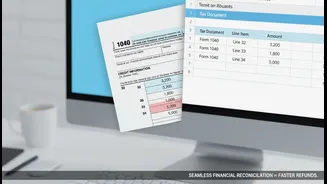
you claim in your GSTR-3B return must perfectly align with the details your suppliers have uploaded, which are reflected in your GSTR-2B statement. The second is with Income Tax, where the Tax Deducted at Source (TDS) you claim must match what's shown in your Form 26AS and Annual Information Statement (AIS). Even a tiny difference can trigger an automated notice from the tax department.
Why is This an Urgent Issue Now?
The urgency comes from technology. Tax authorities are now using powerful data analytics to cross-reference every return in near real-time. The GST portal automatically flags discrepancies between your GSTR-3B and GSTR-2B, sometimes even blocking you from filing your next return if you claim excess credit. Similarly, the income tax system automatically processes returns and issues demand notices under Section 143(1) for any TDS mismatch almost immediately after filing. The era of fixing these issues months or years later during a manual audit is over. Today, mismatches lead to automated, system-generated notices that demand immediate action.
The Domino Effect of Ignoring Mismatches
Ignoring a tax credit mismatch can create a cascade of financial problems. For GST, the most immediate consequence is a direct hit to your cash flow. If your supplier's invoice isn't in your GSTR-2B, you cannot legally claim that ITC, forcing you to pay more tax out of pocket. If you claim it anyway, you'll receive a notice (like DRC-01C) to reverse the credit and pay interest, which can be as high as 18-24%. For income tax, an unresolved TDS mismatch means your tax refund will be held back, or you'll get a demand notice for the shortfall plus interest. In both cases, it leads to a significant compliance burden, potential penalties, and locked-up working capital.
Your Step-by-Step Reconciliation Guide
Don't wait for a notice. Proactive reconciliation is key. For GST, you must perform this check monthly. First, download your GSTR-2B from the GST portal and your purchase register from your accounting software. Compare them invoice by invoice, looking for differences in invoice numbers, dates, values, and tax amounts. For every mismatch, identify the cause. If a supplier's invoice is missing, you must contact them immediately to get them to file or correct their GSTR-1 return. For TDS mismatches, download your Form 26AS and AIS from the income tax portal. Compare the TDS entries against your own records or Form 16/16A. If a credit is missing, the responsibility is on your client or employer (the deductor) to file a revised TDS return. You cannot claim credit that isn't reflected in your 26AS.
How to Prevent Mismatches in the Future
Prevention is always better than cure. The best strategy is to build strong compliance habits into your business operations. First, implement a system for regular communication with your vendors to ensure they file their returns on time. Many businesses now track their suppliers' GST filing status as a performance metric. Second, consider using accounting or reconciliation software that can automate the matching of your purchase records with GSTR-2B, instantly flagging mismatches. Finally, maintain meticulous documentation for all transactions, including invoices, payment proofs, and communication with vendors. This paperwork is your first line of defence if you ever need to respond to a tax notice.