




Start with Your Tyres
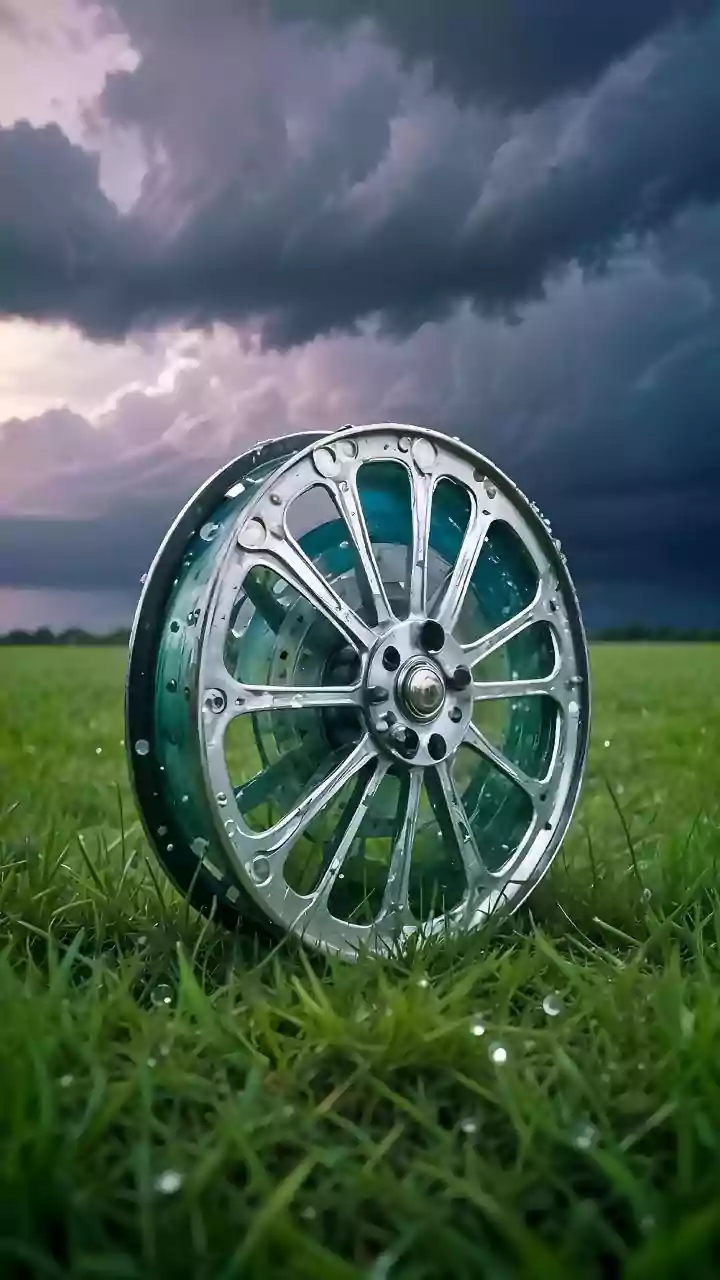
Your tyres are the only part of your car in direct contact with the road, making them critical for monsoon safety. Worn-out tyres significantly increase the risk of skidding and aquaplaning on wet surfaces. Before the season starts, check the tread depth;
if it’s less than 3mm, it's wise to consider a replacement. Also, ensure your tyres, including the spare, are inflated to the recommended pressure. Driving on properly inflated tyres with good tread is your best defence against losing control on slick roads.
Inspect Your Braking System
Effective brakes are non-negotiable during the monsoon. Wet roads increase your car's stopping distance, so your brake system needs to be in top condition. If you notice any squealing sounds, a spongy feel, or if your car pulls to one side when braking, get it inspected immediately. A mechanic should check the brake pads, discs, and brake fluid levels. Old brake fluid can absorb moisture, reducing its effectiveness precisely when you need it most.
Don’t Neglect Your Wipers and Windshield
Clear visibility is paramount when driving through a downpour. The intense Indian summer sun can cause wiper blades to crack and harden, leaving them ineffective. If your wipers leave streaks or make a squeaking noise, replace them. It's a small, inexpensive fix that makes a huge difference. Also, top up your windshield washer fluid reservoir. For even better visibility, consider applying a rain-repellent coating to your windshield, which helps water bead up and roll off quickly.
Test All Lights and Electricals
In heavy rain and foggy conditions, being seen is as important as seeing. Walk around your car and test all your lights: headlights (low and high beam), taillights, brake lights, and indicators. Replace any fused bulbs immediately. The monsoon's high humidity can also be tough on your car's electrical systems. Ensure your battery terminals are clean, secure, and free of corrosion. A weak battery is more likely to fail in damp weather, leaving you stranded.
Protect the Body from Rust
The constant dampness of the monsoon is a breeding ground for rust. Your car's underbody is particularly vulnerable. Before the rains, thoroughly wash your car, paying special attention to the undercarriage and wheel wells to remove any accumulated mud and grime that can trap moisture. Applying a coat of wax provides an extra protective layer for your paint. For long-term protection, consider getting a professional anti-rust underbody coating.
Keep the Cabin Dry and Clean
Moisture can easily find its way inside your car, leading to a musty smell and the growth of mould and fungus. Check the rubber seals around your doors and windows for any cracks or damage and replace them if necessary. Swapping out your regular fabric floor mats for rubber or 'all-weather' mats can make cleaning easier and prevent the carpet from becoming waterlogged. Also, make sure your car's drainage channels, often located at the base of the windshield, are clear of leaves and debris.
Prepare an Emergency Kit
Even with the best preparation, things can go wrong. Having a well-stocked emergency kit in your car can be a lifesaver. Your kit should include a tow rope, jumper cables, a flashlight with extra batteries, a first-aid kit, and a reflective warning triangle. Keeping a few towels, a poncho, and some non-perishable snacks is also a smart idea for unexpected delays or breakdowns in the rain.