


Berbere: The Heartbeat of Ethiopia
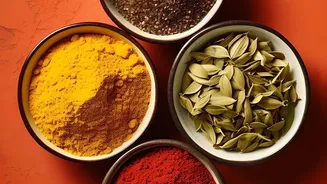
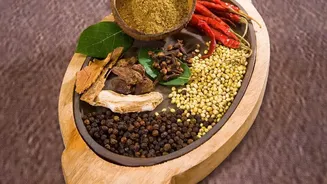
Berbere is the quintessential flavour of Ethiopia and Eritrea, a fiery, fragrant, brick-red powder that forms the base of countless dishes. Its name means ‘hot’ in Amharic, but its complexity goes far beyond simple heat. A typical blend includes red chili
peppers, garlic, ginger, fenugreek, and korarima (Ethiopian cardamom). These ingredients tell the story of ancient trade, as many spices like cinnamon and cardamom arrived via the Silk Road. The main point of berbere is its ability to provide a complete flavour foundation in one step. It's used to create iconic stews like Doro Wat, the national dish of Ethiopia, where it is simmered with onions and oil to create a rich, deeply flavourful base for chicken. Each family often has its own secret recipe, passed down through generations.
Ras el Hanout: North Africa's 'Top Shelf' Blend
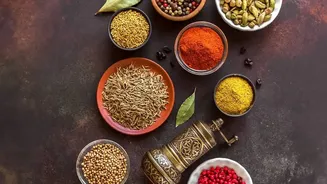
Translating from Arabic as ‘head of the shop,’ Ras el Hanout signifies a blend of the best spices a merchant has to offer. Found across Morocco, Algeria, and Tunisia, there is no single definitive recipe; some blends contain over a dozen spices, while others might boast 40 or more. Common ingredients include cumin, coriander, cinnamon, ginger, and turmeric, which create a warm, woody, and pungent profile without overwhelming heat. More exotic versions might add dried rosebuds or grains of paradise. The main point here is complexity and prestige. A good Ras el Hanout is a status symbol for a spice merchant, showcasing their finest wares. It's the key to flavouring tagines, couscous, and grilled meats, infusing them with an unmistakable aromatic depth.
Suya Spice (Yaji): The Taste of Nigerian Street Food
No tour of West African flavours is complete without Suya, and its signature spice blend, known as Yaji. Originating with the Hausa people of Northern Nigeria, this blend is nutty, spicy, and smoky all at once. Its defining ingredient is ground roasted peanuts, often in the form of a pressed cake called kuli kuli. This is blended with ginger, garlic, onion powder, and a generous amount of dried chili or cayenne pepper. Yaji is more than a seasoning; it is a cultural experience, inextricably linked to the sizzling roadside grills where skewered meats are cooked over open flames. The main point of Yaji is the masterful balance of nutty richness from the peanuts and fiery heat from the chilies, creating a flavour that is instantly recognisable and deeply craved.
Harissa: The Fiery Paste of the Maghreb
While often a paste rather than a dry blend, Harissa is a cornerstone of Tunisian, Moroccan, and Algerian cuisines. Its name comes from an Arabic word meaning 'to crush', referring to how the ingredients are pounded together. The foundation is typically red chilies—often rehydrated dried chilies or roasted fresh peppers—blended with garlic, olive oil, and a host of warming spices like cumin, coriander, and caraway seeds. The result is a condiment that is simultaneously smoky, earthy, and spicy. Its main point is its versatility. Harissa is used not just as a cooking ingredient to enrich stews and marinades, but also as a condiment dolloped onto everything from sandwiches to eggs.
Dukkah: Egypt's Aromatic Nut and Spice Blend
Dukkah (also spelled duqqa) is an Egyptian creation that is more of a textured condiment than a fine powder. Its name derives from the Arabic word 'to pound', reflecting its coarse, crunchy nature. The blend typically consists of toasted nuts (like hazelnuts or almonds), sesame seeds, coriander, and cumin. The main point of Dukkah is texture and its unique application. The most traditional way to eat it is to dip fresh bread into olive oil, then into the Dukkah, creating a simple but incredibly satisfying snack or appetiser. Its use has expanded globally, with chefs and home cooks sprinkling it over salads, roasted vegetables, and even fried eggs to add a savoury, nutty crunch.