
Ghent, Belgium: A Medieval Marvel
Often living in the shadow of Brussels and Bruges, Ghent is a vibrant city that offers a more authentic Flemish experience without the overwhelming crowds. Its historic heart is one of Europe's largest car-free zones, making it a paradise for pedestrians.
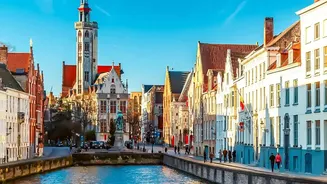
Every corner you turn reveals a stunning tableau of medieval architecture, from the imposing Gravensteen (Castle of the Counts) to the three iconic towers of Saint Bavo's Cathedral, the Belfry, and Saint Nicholas' Church, all visible from the picturesque St. Michael's Bridge. The city is a treasure trove of art, most famously housing the 'Adoration of the Mystic Lamb' by the Van Eyck brothers. As you stroll along the Graslei and Korenlei canals, you’ll find gabled guild houses reflected in the water, now home to bustling cafes and restaurants. With a lively student population, Ghent has a dynamic energy, a thriving music scene, and a reputation as a vegetarian-friendly capital.
Ljubljana, Slovenia: Europe’s Green Gem
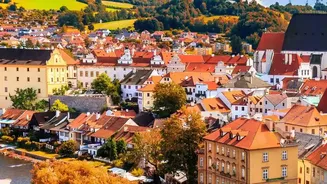
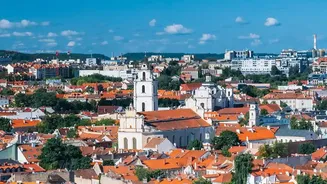
Slovenia's capital is a fairy-tale city that has masterfully transformed its centre into a pedestrian's dream. The heart of Ljubljana is an extensive 'eco-zone' closed to motorised traffic, which has significantly reduced noise and pollution, creating a serene atmosphere perfect for exploration. The Ljubljanica River winds through the city, its banks lined with willow trees and outdoor cafes, all connected by charming bridges like the famous Triple Bridge designed by architect Jože Plečnik. A short, pleasant walk leads you up to Ljubljana Castle, perched on a hill overlooking the terracotta roofs of the Old Town. The city is rich in culture, with numerous museums and galleries, including the National Museum of Slovenia and the Museum of Modern Art. Despite its charm and beauty, Ljubljana remains refreshingly free of mass tourism, offering a tranquil and genuinely welcoming experience.
Bologna, Italy: The City of Porticoes
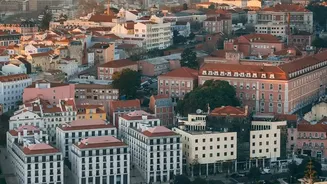
Known as 'La Dotta' (the learned), 'La Grassa' (the fat), and 'La Rossa' (the red), Bologna is a city that engages all the senses. It's home to the oldest university in the Western world, a world-renowned food scene, and a stunning landscape of red-tiled roofs. What makes Bologna exceptionally walkable are its famous porticoes—nearly 40 kilometres of covered walkways that line the streets. These architectural marvels, a UNESCO World Heritage site, allow you to wander through the city sheltered from sun and rain, discovering hidden courtyards, historic shops, and traditional trattorias. The city’s heart, Piazza Maggiore, is a grand square perfect for starting your exploration. From there, you can lose yourself in the Quadrilatero, the ancient market district, for a taste of local delicacies like tagliatelle al ragù and mortadella. Bologna offers a more grounded, authentic Italian city experience compared to its more famous neighbours.
Utrecht, Netherlands: Canals Without the Crowds
Just a short train ride from Amsterdam, Utrecht offers all the quintessential Dutch charm with a more relaxed and authentic vibe. The city is built around a unique, two-tiered canal system. Centuries ago, wharves were built at water level to allow boats to unload goods directly into cellars. Today, these wharf cellars have been converted into delightful restaurants, cafes, and shops, creating a lively atmosphere right on the water's edge. The city centre is compact and best explored on foot or by bike. You can climb the Dom Tower, the tallest church tower in the Netherlands, for panoramic views, or simply wander through the cobbled streets and discover hidden gardens and peaceful courtyards. Home to the country's largest university, Utrecht has a youthful energy, a vibrant cultural scene, and a feeling of 'gezelligheid'—a Dutch sense of cosiness and conviviality.