





Fresh Air vs. High Humidity
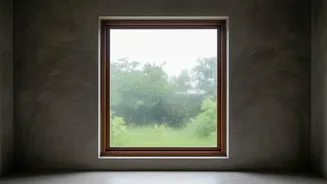
The biggest argument for opening windows is to ventilate a stuffy home. The air during and after rainfall is often cleaner, as rain can wash away dust and pollutants. This fresh air exchange is tempting, but in a humid climate like India's, opening windows can invite
excessive moisture inside. High indoor humidity, often exceeding 80-90% during monsoon, makes the air feel sticky and uncomfortable. It also creates the ideal breeding ground for mould and mildew, which can cause that persistent musty smell in clothes, curtains, and furniture. A good strategy is to open windows for short periods—about 10 to 15 minutes—when the rain is light or during a dry spell. This practice, sometimes called shock ventilation, can refresh the indoor air without letting the walls and furnishings absorb too much dampness.
Mould, Mildew, and Your Health
Persistent dampness is more than just a nuisance; it's a health concern. High humidity allows mould and mildew to flourish on walls, in cupboards, and on textiles. These fungi release spores into the air, which can trigger allergies, respiratory issues, and skin irritation. In many Indian homes, indoor fungal levels can be significantly higher than safe limits during the monsoon. Keeping windows shut helps control the influx of humid air, but you also need to manage moisture generated indoors from cooking and bathing. Using exhaust fans is crucial. For homes prone to dampness, even with windows closed, placing bowls of coarse salt or silica gel packs in cupboards can help absorb excess moisture.
The Uninvited Guests: Pests and Insects
The monsoon is peak season for insects like mosquitoes, flies, and termites, who are all seeking shelter from the rain. An open window is an open invitation. Mosquitoes, which breed in stagnant water, can carry diseases like dengue and malaria, making it critical to keep them out. Similarly, flies are attracted to food waste and damp conditions, and termites are drawn to damp wood. If you do wish to open windows, installing mesh screens is a non-negotiable first line of defence. These screens allow for air circulation while forming a physical barrier against most insects. Additionally, ensure there is no stagnant water in trays or pots near the window, as these are breeding hotspots for mosquitoes.
Water Damage and Electrical Hazards
Even a light drizzle driven by wind can lead to significant problems if it enters your home. Water seeping in through an open window can damage wooden sills, warp flooring, and cause paint to peel. Over time, this moisture can weaken the structural integrity of walls. A far more immediate danger is the risk of water coming into contact with electrical systems. Water reaching outlets, switches, or wiring can cause short circuits, corrosion, and create a serious fire hazard. Never open windows that are close to electrical sockets or appliances during rain. If you notice any dampness or discolouration around outlets, it’s a sign of a potential leak that requires immediate professional attention.
The Smart Ventilation Strategy
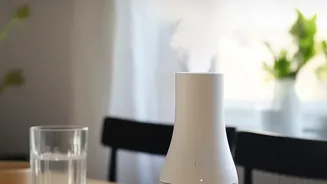
So, what is the best approach? It’s not about keeping windows sealed shut for four months, but about ventilating intelligently. The key is timing and control. Open windows on opposite sides of the house for short bursts to create cross-ventilation, which effectively flushes out stale air. Do this during lulls in the rain or when the downpour is very light and not accompanied by wind. Pay attention to the wind direction and avoid opening windows that directly face the incoming rain. Using exhaust fans in kitchens and bathrooms is essential to remove moisture at its source. For homes in very humid areas, a dehumidifier can be a worthwhile investment to keep indoor humidity below 60%.