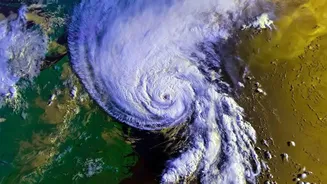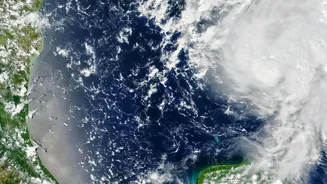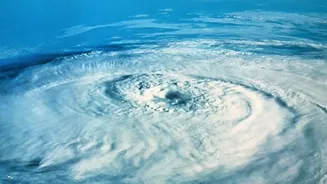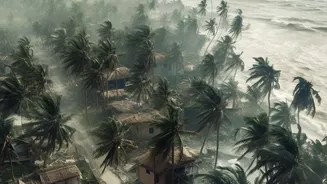







For generations, India's eastern coast has been the nation's default cyclone hotspot, with the Bay of Bengal serving as a notorious storm generator. But a growing body of research is rewriting that narrative, forcing a new focus on the Arabian Sea.
A Tale of Two Seas
India's
extensive coastline is flanked by two very different bodies of water. Historically, the Bay of Bengal has been the far more active basin for tropical cyclones. Its warmer waters, shallower depth, and sluggish currents create a perfect breeding ground for storms. For every cyclone that formed in the Arabian Sea, the Bay of Bengal would typically churn out four or five. This established pattern has shaped everything from disaster management protocols to public perception, with the east coast, particularly states like Odisha and West Bengal, bearing the brunt of India's annual cyclone fury. The west coast, while not entirely immune, was considered a comparatively safer harbour.
The Arabian Sea Awakens
That long-held understanding is now being challenged by clear, long-term data. Recent studies analysing decades of weather patterns have identified a significant and worrying trend: a marked increase in both the frequency and intensity of cyclones in the Arabian Sea. Since the turn of the century, the number of severe cyclones forming off India's west coast has risen dramatically. Storms are not only forming more often, but they are also intensifying with unprecedented speed, a phenomenon known as 'rapid intensification'. This shift means that states like Gujarat, Maharashtra, and Kerala can no longer rely on a history of calmer seas. The risk profile for millions of people and critical infrastructure along the west coast has fundamentally changed.
What's Driving the Change?
The primary culprit behind this atmospheric shake-up is climate change, specifically the warming of the oceans. Sea surface temperatures in the Arabian Sea have been rising faster than in most other ocean basins over the past century. Tropical cyclones are essentially heat engines that draw their energy from warm ocean waters. With more 'fuel' available, the Arabian Sea is now capable of sustaining stronger and more frequent storms. Scientists also point to related atmospheric changes, such as shifts in wind shear patterns, which are making conditions more favourable for cyclone formation and strengthening. What was once a less-than-ideal environment for powerful storms is increasingly becoming a hotbed of activity.
A Dual Front for Preparedness
This evolving threat does not mean the Bay of Bengal has become any less dangerous. It remains a potent source of destructive cyclones. The new reality is that India now faces a dual-front challenge. Disaster management agencies, which have honed their skills responding to east coast storms, must now apply those lessons with equal urgency to the west. This includes strengthening early warning systems, building more cyclone shelters, reinforcing coastal infrastructure, and, crucially, raising public awareness in regions where a major cyclone was once a rare event. The changing patterns demand a more dynamic and geographically broader approach to preparedness, one that treats both coastlines with equal vigilance.