




The Rise of the Micro-Adventure
The travel calendar for many Indians is no longer dominated by one big holiday. Instead, it is increasingly filled with a series of short getaways and long-weekend trips. This shift reflects a significant change in lifestyle and priorities. A June 2026
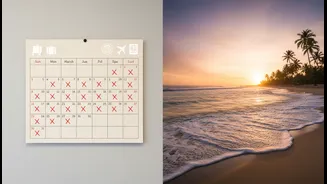
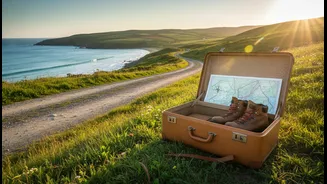
report highlighted that a staggering 87% of Indian Gen Z travellers now prefer trips that last less than a week. In fact, seven out of ten young travellers would rather take three short breaks than one long annual holiday. This isn't just a youth phenomenon; professionals and families are also embracing shorter, more frequent escapes. This trend is fuelled by a desire to disconnect from routine and reconnect with oneself without the logistical and financial commitment of a major vacation. These compact but emotionally impactful trips serve as a regular 'reset button' in our busy lives.
Why Closer is Becoming Cooler
Several factors are driving this pivot towards regional exploration. The rise of remote and hybrid work models has been a game-changer, offering a new level of flexibility. Professionals can now blend leisure with light work, turning a long weekend into a mini-vacation without dipping too heavily into their annual leave. This has given rise to the 'bleisure' (business + leisure) trend, where Indians are now taking more combined work and leisure trips than the global average. Furthermore, significant improvements in infrastructure, including better highways and regional air connectivity, have made destinations just a few hours away more accessible and affordable than ever before. For many, the total cost and fluctuating airfares for international travel are also making domestic alternatives more appealing. As a result, travellers are swapping elaborate overseas plans for immersive stays in destinations closer to home.
From Landmarks to Local Experiences
This new travel mindset isn't just about the length of the trip; it's about its depth. Indian travellers are moving away from 'tick-box' tourism—rushing through as many famous landmarks as possible. Instead, there is a growing demand for authentic and immersive experiences. People want to slow down and connect with the places they visit, whether it's through unhurried walks in old city quarters, tasting heirloom recipes, or engaging with local artisans. Relaxation is a primary motivation for travel for a majority of Indians. This has led to a surge of interest in wellness retreats, nature-focused escapes, and staycations that prioritise tranquillity over a packed itinerary. Destinations like Rishikesh and Dharamshala have seen a major spike in interest for this reason. It is no longer just about where you go, but how the experience makes you feel.
Rediscovering Your Own Backyard
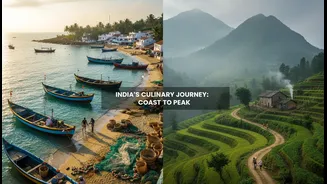
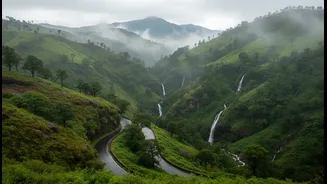
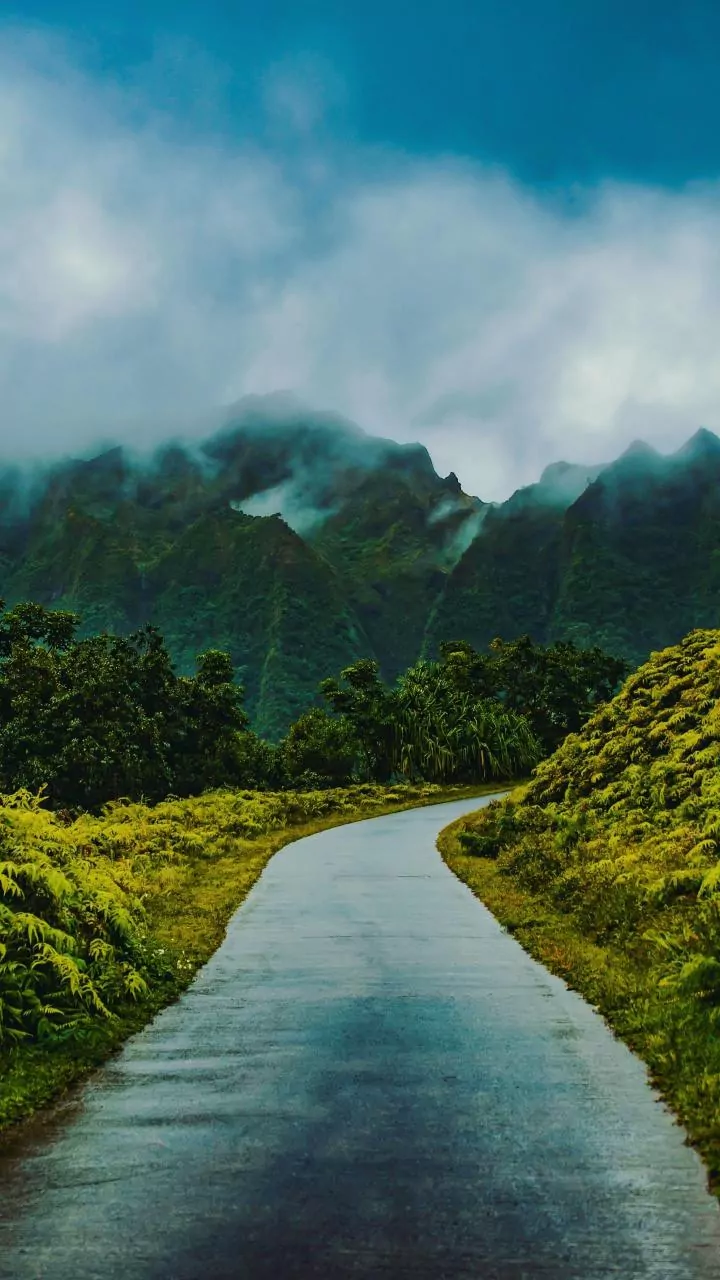
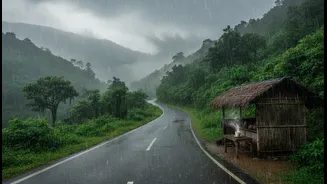
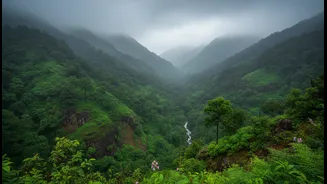
The beauty of this trend is the renewed appreciation for the diverse landscapes within our own country. From the misty hills of the monsoon season to serene coastal towns and vibrant heritage cities, domestic tourism is booming. Urban dwellers are finding solace in quick getaways to nearby destinations. Those near Mumbai and Pune are exploring the lush Western Ghats or coastal towns like Alibaug. For people in Delhi, the hills of Uttarakhand and Himachal Pradesh or heritage sites in Rajasthan offer a perfect weekend escape. Similarly, the backwaters of Kerala, the coffee plantations of Coorg, and the tranquil beaches of Goa continue to be popular choices for short, rejuvenating breaks. This shift is not only providing travellers with more frequent opportunities to relax but is also channelling economic benefits into smaller towns and rural communities, spreading the positive impact of tourism far beyond the traditional hotspots.