
More Than a Monsoon Postcard
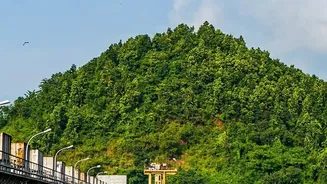
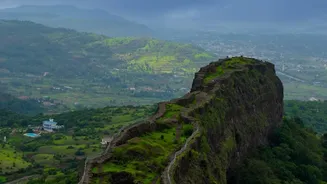
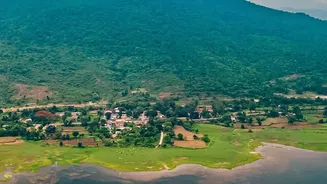
First, it is undeniably a sight. Especially during the monsoon, Mulshi transforms into a vibrant canvas of electric green hills, misty valleys, and the vast, shimmering expanse of the lake formed by the Mulshi Dam on the Mula River. The drive to Mulshi,
particularly through the winding roads of the Sahyadri foothills, is a visual treat in itself, with seasonal waterfalls cascading down rocky cliffs at almost every turn. Photographers and nature lovers flock here to capture the dramatic landscapes, where low-hanging clouds often embrace the hilltops. But to label it merely a 'sight' would be to miss the point entirely. The cool, moist air, the smell of wet earth, and the symphony of nature are things a camera cannot fully capture. This immersive atmosphere is the first hint that Mulshi is far more than what meets the eye.
The Journey Is the Destination
One of the core elements of the Mulshi 'experience' is the journey. Located about 50 kilometres from Pune, the drive takes you away from urban chaos and into a progressively serene environment. The route through Tamhini Ghat, a mountain pass just beyond the dam, is legendary among driving enthusiasts in Maharashtra. This 15-kilometre stretch through dense forests offers breathtaking valley views and is a destination in its own right. Unlike a viewpoint you simply arrive at, the journey to and through Mulshi is an active part of the escape. It’s about rolling down the windows, feeling the change in temperature, and stopping at small villages for a cup of tea. It's a gradual unwinding that prepares you for the tranquility of the destination.
An Adventure for Every Pace
Mulshi's identity as an 'experience' is cemented by the wide array of activities it offers. For the laid-back visitor, a gentle boat ride on the lake provides a unique perspective of the surrounding hills. For the more adventurous, the options are plentiful. The region is a hub for trekking, with trails leading to historic forts like Koraigad and Ghangad. Lakeside camping under starry skies is another popular activity, with several operators providing organised experiences, especially during the clearer winter months. Birdwatching is also a rewarding pastime, with the area bordering the Tamhini Wildlife Sanctuary, home to numerous species. From kayaking on the lake to simply enjoying a bonfire by a resort, you can curate your own level of engagement.
A Dam with a Deep History
The Mulshi Dam itself has a story that adds depth to the experience. Built in the 1920s by Tata Power to generate hydroelectricity, its construction was met with one of India's first organised anti-dam movements, the Mulshi Satyagraha. Led by Pandurang Mahadev 'Senapati' Bapat, thousands of farmers protested the loss of their land through non-violent means. This historical context, tied to India’s broader independence struggle, adds a layer of significance to the massive structure. Knowing that the serene lake was born from such a complex past transforms the dam from just a piece of engineering into a monument of social and industrial history.
Planning Your Mulshi Experience
The best time to visit depends entirely on the experience you seek. The monsoon season (June to September) is when Mulshi is at its most visually spectacular, with lush landscapes and full waterfalls, making it peak season. However, this is also the busiest time. For those seeking adventure and outdoor activities like trekking and camping, the post-monsoon and winter months (October to February) are ideal, offering pleasant weather and clear skies. Summers (March to May) are hotter and the landscape is drier, but it's the perfect time for a quiet, crowd-free retreat with lower accommodation prices.