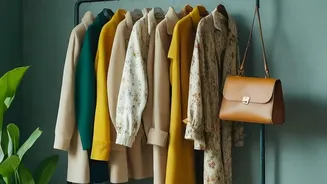






The Keep Pile: Your Wardrobe All-Stars
These are the easiest decisions. The 'keep' pile is for items you genuinely love and wear regularly. Before placing an item here, ask yourself a few questions. Does it fit you well right now? Do you feel confident and comfortable when you wear it? Is
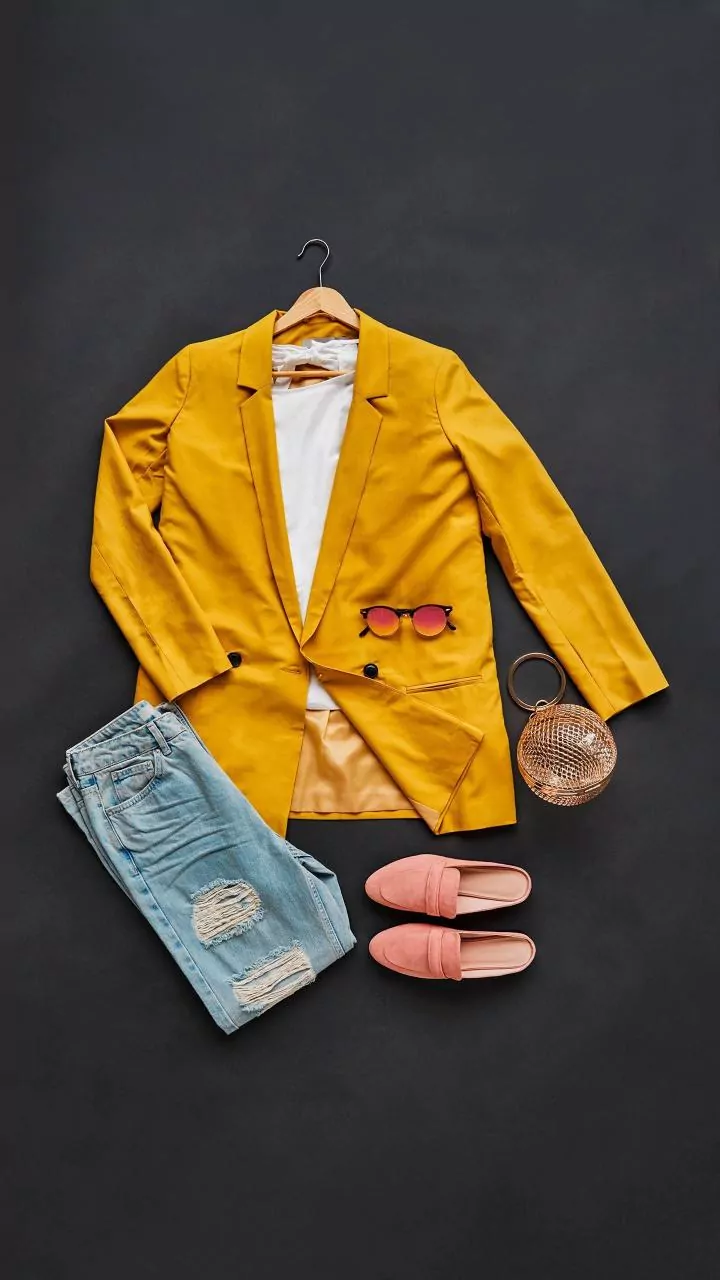
it in good condition and does it align with your current personal style? If you answer 'yes' to these, the item is a keeper. These are the foundational pieces of your wardrobe—the go-to jeans, the perfectly comfortable t-shirt, the blazer that makes you feel powerful. Don't just think about what you have worn in the last year; consider if you would buy it again today if you saw it in a store. If the answer is an enthusiastic yes, it has earned its spot.
The Repair Pile: For Items Worth Saving
Many clothes are discarded for minor flaws that are surprisingly fixable. Your repair pile should be for high-quality items that you love, but which have a specific, correctable issue. Common repairs include replacing a missing button, fixing a broken zipper, or mending a small tear or open seam. Before committing to a repair, consider the item's overall condition. If a shirt has one snag but the fabric is otherwise strong, it's worth fixing. However, if the fabric is worn thin, pilled, or fragile, a repair might not hold, and it could be time to let it go. Also, be honest with yourself: will you actually take it to the tailor or fix it yourself? If an item has been sitting in a 'to be fixed' basket for months, its value to you may have already expired.
The Alteration Pile: Unlocking a Garment's Potential
Alterations can transform a good piece into a great one, making it look like it was custom-made for you. This pile is for clothes that are made of quality fabric and have a classic design, but don't fit perfectly. Common cost-effective alterations include hemming trousers or jeans, shortening sleeves, taking in the waist of a skirt or pants, and shortening straps on a top or dress. These small adjustments can make an item look more polished and modern. However, some alterations are complex and expensive, such as changing the shoulders on a jacket, which can sometimes cost more than the garment itself. As a rule of thumb, if an item just needs a simple tweak to be perfect, it's worth altering. It's an investment in making your wardrobe more wearable and sustainable.
The Let-Go Pile: Making Space with Confidence
This is often the hardest pile, but it's the most crucial for creating a wardrobe that works. Items that should go are those that no longer fit and cannot be realistically altered. This includes pieces that are too small or too large to the point where they cause discomfort or don't flatter your shape. Garments that are damaged beyond a simple repair—think large, irreparable stains, or fabric that is completely worn out—should also be discarded or repurposed as cleaning rags. Finally, and perhaps most importantly, let go of clothes that no longer represent you. Your style evolves, and it is okay to release items that are tied to a past version of yourself or a fantasy life you don't actually lead. If you consistently put something on and then take it off before leaving the house, it's a clear sign it's time to say goodbye.