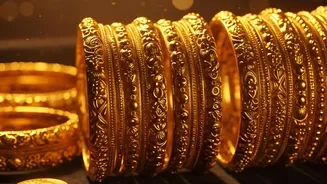




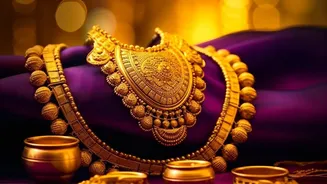
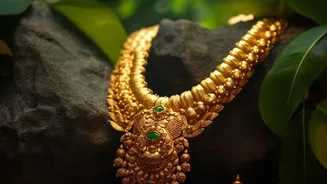

With Dhanteras approaching on November 6, 2026, the tradition of buying precious metals is in full swing. But with gold and silver rates changing daily, how do you ensure you get a fair price? Here’s a guide to becoming a savvy festive shopper.
Why Metal Rates Fluctuate
Before
you check the rates, it helps to know why they are not static. The price of gold and silver in India is influenced by a combination of international market trends, the exchange rate between the Indian Rupee and the US Dollar, import duties set by the government, and local demand. During festivals like Dhanteras, a surge in demand can also impact prices at a local level, which is why the rate you see online might differ slightly from a jeweller's quote.
Understanding Gold Purity: 24K vs. 22K
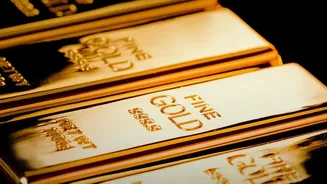
The price of gold is directly linked to its purity, measured in karats (K). 24K gold is the purest form (99.9% pure) and is typically sold as bars or coins for investment. However, it is too soft for intricate jewellery. For ornaments, 22K gold is the standard, containing 91.6% pure gold mixed with alloys like silver or copper for strength. When checking rates, you will see separate prices for 24K and 22K gold. Make sure you are looking at the 22K rate for jewellery purchases.
Where to Check Daily Rates
Several reliable platforms provide daily metal rates. The India Bullion and Jewellers Association (IBJA) publishes benchmark rates that are widely considered the standard. Reputable financial news websites like The Economic Times and major jeweller brands such as Tanishq or MMTC-PAMP also display live rates on their websites. Additionally, many mobile applications are available that track live prices from the Multi Commodity Exchange (MCX) and provide rates for major Indian cities.
The Final Bill: More Than Just the Gold Rate
The rate per gram is only the starting point. Your final bill will include several other components. The formula jewellers use is typically: (Gold Rate per gram × Weight) + Making Charges + GST. Making charges cover the labour and craftsmanship involved in creating the piece and can range from 5% to over 25% of the gold's value, depending on the design's complexity. A Goods and Services Tax (GST) of 3% is then applied to the total value of the gold plus the making charges. A small, fixed hallmarking fee may also be added.
Essential Checks at the Store
Once you are at the jewellery store, there are a few final checks to make. First, always look for the Bureau of Indian Standards (BIS) hallmark. This three_part mark includes the BIS logo, a purity grade (e.g., 22K916), and a six_character alphanumeric Hallmark Unique Identification (HUID) number, which guarantees the gold's purity. You can verify the HUID on the BIS CARE app. Also, ensure the final bill is itemised, clearly stating the net gold weight, its purity, the making charges, and the GST applied.