






The New 'No PUC, No Fuel' Rule
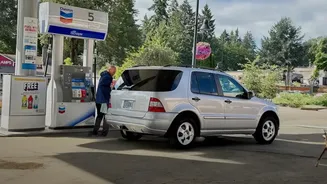
Starting October 1, 2026, the 'No PUC, No Fuel' rule has been strictly enforced across Delhi and extended to the wider NCR. This means that fuel stations will deny petrol, diesel, or CNG to any vehicle that does not have a valid Pollution Under Control
(PUC) certificate. This isn't just a recommendation; it's a mandatory directive from the Commission for Air Quality Management (CAQM) as part of its Graded Response Action Plan (GRAP) to combat the region's severe winter air pollution. Fuel stations are being equipped with technology like Automatic Number Plate Recognition (ANPR) cameras to automatically check a vehicle's PUC status against the central VAHAN database before dispensing fuel.
Why This Step Is Being Taken Now
Vehicular emissions are a major contributor to the toxic smog that blankets Delhi-NCR every winter. As temperatures drop, pollutants get trapped closer to the ground, leading to hazardous air quality levels. The 'No PUC, No Fuel' policy is a preemptive measure to ensure that all vehicles on the road are compliant with emission standards before the pollution season peaks. By making the PUC certificate a prerequisite for refuelling, authorities aim to force a large number of non-compliant vehicles either off the road or into compliance, thereby cutting down on a significant source of pollution. The initiative is part of a broader Winter Action Plan that also includes restrictions on construction activities and older vehicles.
Who Needs a PUC Certificate?
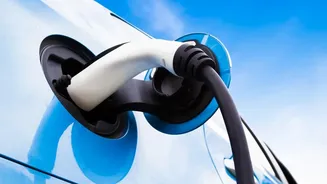
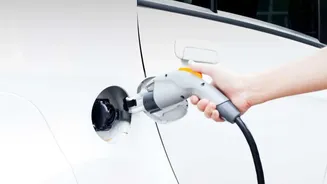
This rule applies to all privately owned and commercial vehicles running on petrol, diesel, CNG, and LPG. The only vehicles exempt are electric vehicles, as they have zero tailpipe emissions. The mandate covers not just Delhi but also key NCR districts in Haryana and Uttar Pradesh, including Gurugram, Faridabad, Ghaziabad, and Gautam Buddh Nagar (Noida). Whether you are a daily commuter, a commercial driver, or just an occasional motorist, if your vehicle has an internal combustion engine, you need a valid PUC certificate to buy fuel in these areas.
How to Get or Renew Your Certificate
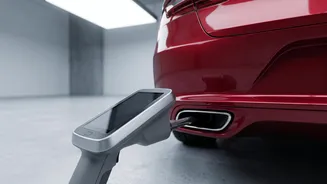
Obtaining a PUC certificate is a straightforward process. You can visit any of the authorised emission testing centres, which are commonly located at petrol pumps and authorised workshops. A technician will use an analyser to measure your vehicle's exhaust emissions, such as carbon monoxide and hydrocarbons. If your vehicle's emissions are within the prescribed limits, a certificate is issued instantly. The cost is nominal, typically ranging from ₹60 to ₹100, depending on the vehicle type. For new vehicles, the first PUC test is required after one year, after which it must be renewed periodically. You can also check the status of your existing certificate or download a digital copy through the official Parivahan portal.
Penalties for Non-Compliance
The most immediate consequence of not having a valid PUC is being denied fuel at the pump. However, the penalties don't stop there. Under the Motor Vehicles Act, driving without a valid PUC certificate is a punishable offence that can attract a hefty fine of up to ₹10,000, imprisonment for up to six months, or both. Authorities have launched a special enforcement drive to catch violators on the road, not just at fuel stations. Repeat offences can even lead to the suspension of your driving licence.