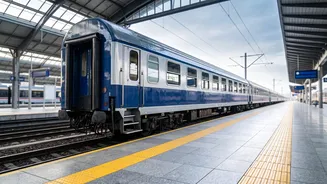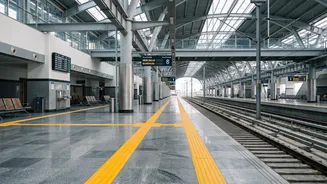






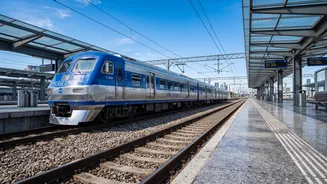
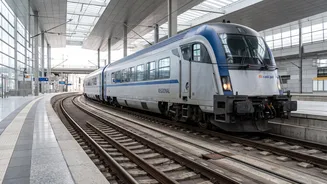
The annual Diwali travel crush is a familiar picture of national celebration and logistical challenge. This year, Indian Railways is rolling out a multi-pronged strategy to prevent chaos and ensure passenger safety at its busiest stations.
Thousands of Extra Trains
To tackle the
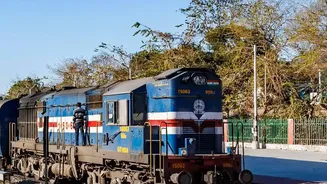
enormous surge in demand, Indian Railways has planned thousands of additional train trips for the 2026 festive season, which covers Diwali and Chhath Puja. For instance, Northern Railway alone is planning over 6,200 special trips to connect major hubs like Delhi with destinations in eastern India. These 'Festival Special' trains are being rolled out across various zones, including Eastern, Western, and Southern Railways, to connect cities like Kolkata, Mumbai, Ahmedabad, Chennai, and Bengaluru with states like Uttar Pradesh, Bihar, and Rajasthan. The goal is to provide confirmed travel options for as many people as possible, reducing the long waitlists on regularly scheduled services.
Managing Flow with Holding Areas
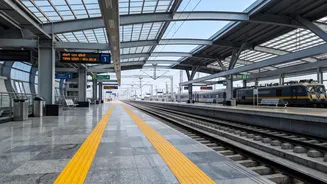
A key strategy to prevent dangerous overcrowding on platforms is the creation of special holding areas, or 'Yatri Suvidha Kendras', at major stations. These weather-proof spaces are set up outside the main station buildings to accommodate waiting passengers in an organised manner. Equipped with amenities like ticket counters, seating, display boards, and Wi-Fi, these zones allow railways to regulate the flow of people onto platforms, only allowing them entry shortly before their train's departure. Stations like Anand Vihar Terminal in Delhi and Udhna in Gujarat have implemented these kendras to streamline passenger movement and reduce congestion in core station areas.
Enhanced Security on the Ground
A massive security apparatus is being deployed to maintain order. This includes a significant increase in the presence of Railway Protection Force (RPF) and Government Railway Police (GRP) personnel. These teams are stationed at critical points like foot-over-bridges, entry gates, and platforms, especially near general class coaches where crowding is most intense. Officials have held advance security meetings to sensitise staff to the challenges ahead. At some stations, security deployment is expected to be up to three times the normal strength to ensure a visible and effective presence. This coordinated effort aims to manage queues, assist passengers, and respond quickly to any potential issues.
Technology as a Watchful Eye
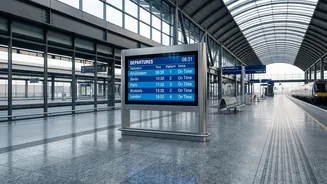
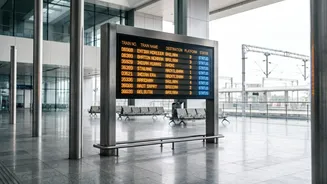
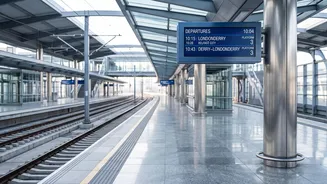
Modern technology plays a crucial role in this large scale operation. Extensive CCTV networks are being monitored around the clock from dedicated control rooms to track crowd density in real time. This allows for the rapid dispatch of security personnel to areas where congestion is building up. In addition to fixed cameras, railway authorities are also using drones for surveillance of station premises and surrounding areas, providing a bird's eye view to anticipate and manage passenger flow. Frequent announcements over public address systems and information displayed on electronic boards also help guide passengers and keep them informed.
Restrictions to Ease Congestion
To further prioritise the safety of travelling passengers, some temporary restrictions have been put in place at the busiest hubs. For example, at several major stations in Delhi, the sale of platform tickets will be suspended for a period leading up to and during the peak festive days. This measure is designed to limit the number of non - passengers on platforms. Exemptions are being made for those assisting elderly, sick, or disabled travellers. Additionally, some stations may temporarily halt parcel booking and loading activities to free up space and reduce congestion.