



Step 1: Choose and Cut Your Stems
The journey to a new mint plant begins with a healthy cutting. Look for a vibrant, young, and non-flowering stem from an existing mint plant—whether it's from your garden, a friend's, or even a fresh bunch from the grocery store. [1, 5] Using clean scissors
or a sharp knife, snip off a piece that is about 10-15 cm (4-6 inches) long. [1] Make your cut just below a leaf node, which is the small bump on the stem where leaves emerge. [1, 8] This node is packed with the cells that will soon sprout new roots. [9] Select several stems to increase your chances of success and to grow multiple plants at once. [9]
Step 2: Prepare the Cuttings
Once you have your cuttings, a little preparation is needed. Gently strip the leaves from the bottom half of each stem, ensuring you have at least two to four sets of leaves remaining at the top. [1, 7] This step is crucial because any leaves left submerged in water will begin to rot, which can introduce bacteria and spoil the water, potentially killing the cutting. [1, 2] By removing these lower leaves, you expose the nodes along the stem, giving them a clean start for rooting and directing the plant's energy toward creating a new root system instead of sustaining excess foliage. [8]
Step 3: Just Add Water and Light
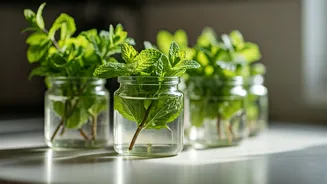
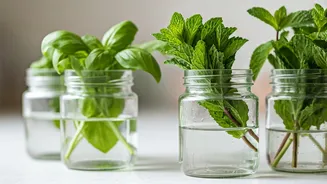
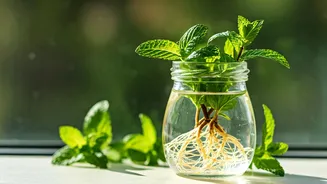
Place your prepared mint stems into a clean glass or jar filled with fresh water. A clear container is ideal as it allows you to watch the roots as they develop. [1] Make sure only the bare part of the stem is submerged and the remaining leaves are well above the waterline. [8] Now, find a suitable spot. The headline’s “sunny window” is a great starting point, but direct, intense sunlight can sometimes be too harsh and overheat the cuttings. [1] For best results, place the jar in a location that receives bright, but indirect, sunlight. [1, 10] It’s also important to keep the water fresh. Change it every two to three days to prevent bacterial growth and ensure the cuttings have a clean environment. [7, 9]
Step 4: The Rooting Process
Patience is a virtue, but luckily, mint is a fast-acting herb. You can expect to see the first signs of tiny, white roots emerging from the submerged nodes in about a week or two. [1, 6] These initial roots will be thin and hair-like. [9] Let them continue to develop in the water for another week or so until they have formed a more substantial, thicker root system that is at least a couple of inches long. [1, 10] If you notice the water becoming cloudy or slimy, change it immediately and rinse the stems gently. [2] Some people find that woody or older stems fail to root, so using younger, flexible stems gives a higher success rate. [2]
Step 5: Transplanting to Soil
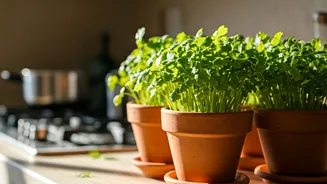
While mint can survive in water for a long time, it will thrive once planted in soil where it can access more nutrients. [12] Once your cuttings have a healthy network of roots, it's time to move them to a pot. Choose a container with good drainage holes. [8, 14] Fill it with a quality potting mix and make a small hole with your finger or a pencil. [10] Gently place the rooted cutting into the hole and carefully fill the soil around it, firming it lightly. [4, 8] Water the new plant well and keep the soil consistently moist (but not waterlogged) for the first week or two to help it acclimate to its new home. [1] Keep the pot in a spot with indirect light initially to avoid transplant shock. [9]
Step 6: Caring for Your New Mint Plant
Congratulations, you've created a new plant! Mint is known for its vigorous growth, but it's best kept in a container because it can become invasive and take over a garden bed. [5, 14] Place your potted mint in a location where it gets at least a few hours of sunlight daily. [1] To encourage a bushier, fuller plant, regularly pinch off the top growing tips. [1] This not only promotes more side growth but also provides you with a steady supply of fresh leaves for your kitchen creations. With this simple water propagation method, you can easily create an endless supply of mint for yourself or to share with friends. [3, 6]