






What Exactly Is FD Laddering?
Fixed Deposit (FD) laddering is an investment strategy that solves the classic dilemma of liquidity versus returns. Instead of putting a large sum of money into a single FD for a long tenure, you divide the amount into multiple smaller FDs with different,
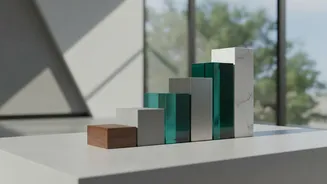
or staggered, maturity dates. Think of it like the rungs of a ladder; each FD is a rung, and they are spaced out over time. This structure ensures that a portion of your money becomes accessible at regular intervals, providing you with cash flow without having to break a larger investment prematurely. It’s a disciplined approach that turns a simple savings tool into a dynamic financial strategy.
How It Works: A Simple Example
Let’s say you have ₹1,00,000 to invest. Instead of booking a single 5-year FD, you can build a ladder. You would split the amount into five FDs of ₹20,000 each. The first FD would be for a 1-year tenure, the second for 2 years, the third for 3 years, and so on, up to 5 years. At the end of the first year, your ₹20,000 FD matures. You now have a choice: you can use the funds for an expense, or you can reinvest the principal and interest into a new 5-year FD. If you choose to reinvest, you repeat this process every year. As each short-term FD matures, you roll it over into a long-term, 5-year deposit. After a few years, all your FDs will be earning the higher interest rate typically associated with a 5-year tenure, but you'll still have one maturing every single year, giving you that crucial liquidity.
The Flexibility Advantage for Young Savers
Life is unpredictable, especially when you're young. Unexpected expenses, from a sudden travel opportunity to an emergency, can arise at any time. A laddering strategy provides a safety net. Instead of prematurely breaking a large FD and facing a penalty—usually 0.5% to 1% of the interest rate—you can simply wait for the next 'rung' of your ladder to mature. This gives you access to funds without sacrificing your returns on other investments. Furthermore, this strategy helps you manage interest rate risk. If rates rise, you can reinvest your maturing FDs at the new, higher rates, allowing your savings to benefit from favourable market changes instead of being locked into an older, lower rate for years.
Maximising Returns While Staying Liquid
One of the core benefits of FD laddering is the ability to earn higher overall returns. Generally, longer FD tenures come with higher interest rates. A standard 5-year FD will almost always offer a better rate than a 1-year FD. With laddering, you systematically move your capital into longer-tenure FDs over time. This means that eventually, your entire corpus is earning the high interest of a long-term deposit, but without the long-term lock-in period of a single lump-sum investment. This method strikes a perfect balance, allowing young investors to get the attractive returns needed for long-term goals like a down payment on a house or funding further education, while keeping funds available for short-term needs.
Is This the Right Strategy for You?
FD laddering is particularly effective for young professionals with a steady income who are looking to build a disciplined savings habit. It’s an excellent way to create an emergency fund that earns more than a standard savings account but remains accessible. It is also ideal for those saving towards medium-term goals that are a few years away. By aligning the 'rungs' of your ladder with your financial milestones, you can ensure that cash is available precisely when you need it. However, it does require a bit more management than a single FD. You need to keep track of multiple maturity dates and make conscious decisions about reinvesting. But for those willing to put in a small amount of effort, the rewards in flexibility and returns are well worth it.