
Think in Flavours, Not Just Spices
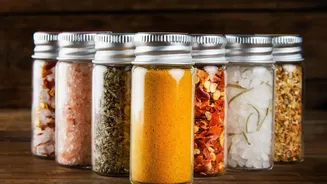
The first step to transforming your vegetable dishes is to move beyond a fixed list of spices and start thinking about flavour profiles. Are you in the mood for something earthy and warming, or bright and tangy? Answering this question provides a clear
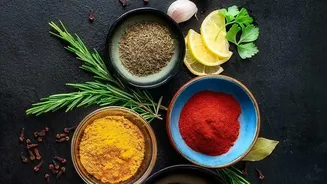
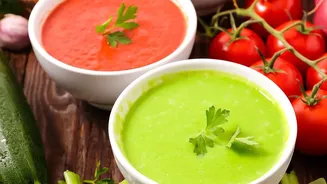
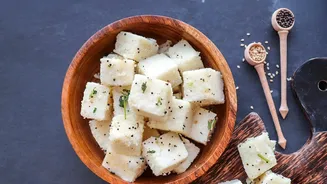
direction. For instance, winter vegetables like carrots, beets, and sweet potatoes pair beautifully with warming, earthy profiles. Think ginger, cloves, cinnamon, and a touch of black pepper. In contrast, summer gourds like lauki (bottle gourd) or cucumber, which have high water content, come alive with fresh, cooling flavours from mint, coriander, and a squeeze of lemon or a pinch of amchur (dried mango powder). Instead of just reaching for a standard masala mix, consider the end goal. A simple framework could be: pick a dominant flavour (e.g., tangy), a supporting flavour (e.g., spicy), and an aromatic (e.g., fresh herbs). This strategic approach opens up a world of possibilities.
A Seasonal Guide to Seasoning
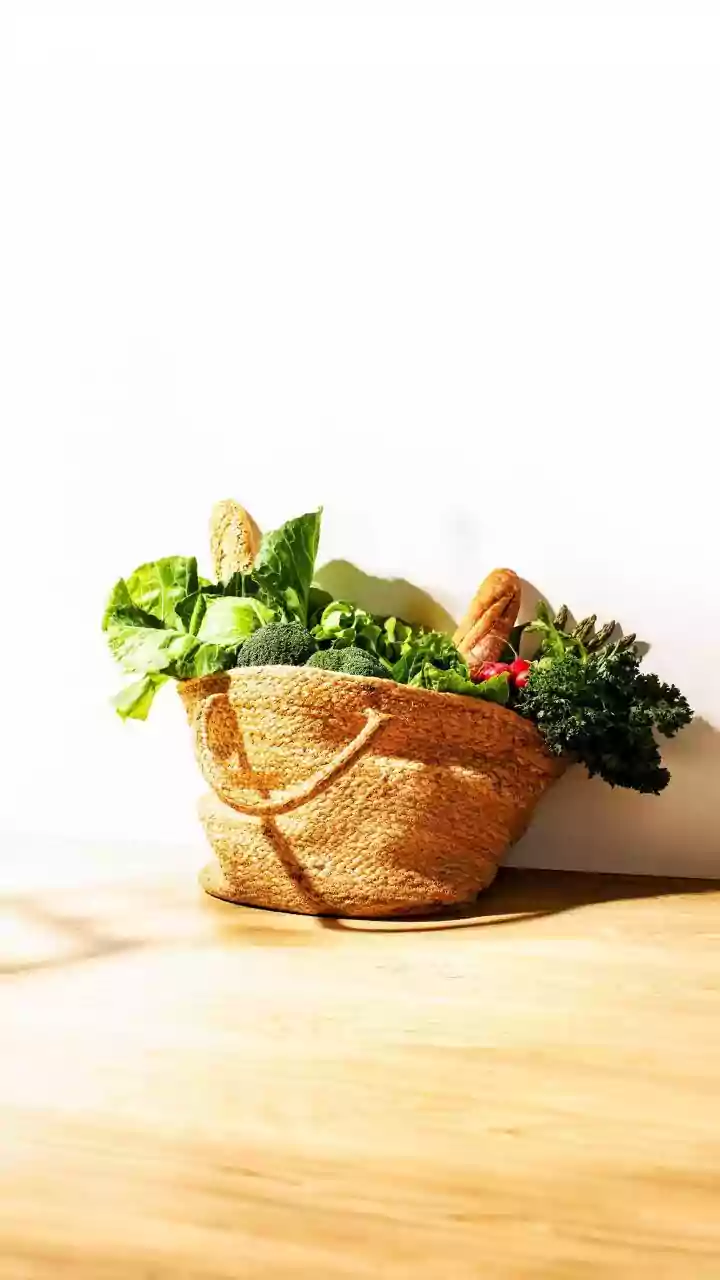
Matching your seasonings to the season enhances the natural character of the vegetables. During the monsoon (June-September), when greens like spinach and amaranth are abundant, a simple tempering of cumin seeds, garlic, and a dried red chilli in hot oil (a 'tadka') can be perfect. Corn, another monsoon favourite, is excellent with a sprinkle of chaat masala and lime juice. As we move into the cooler autumn and winter months (October-February), heartier vegetables like cauliflower, cabbage, and spinach dominate the markets. This is the time for more complex, warming spice blends like garam masala. Roasting cauliflower with turmeric, coriander powder, and a little garam masala brings out its nutty sweetness. For leafy greens like mustard greens (sarson ka saag), a robust combination of ginger, garlic, and green chillies creates the iconic winter dish.
Why Texture Is Your Secret Weapon
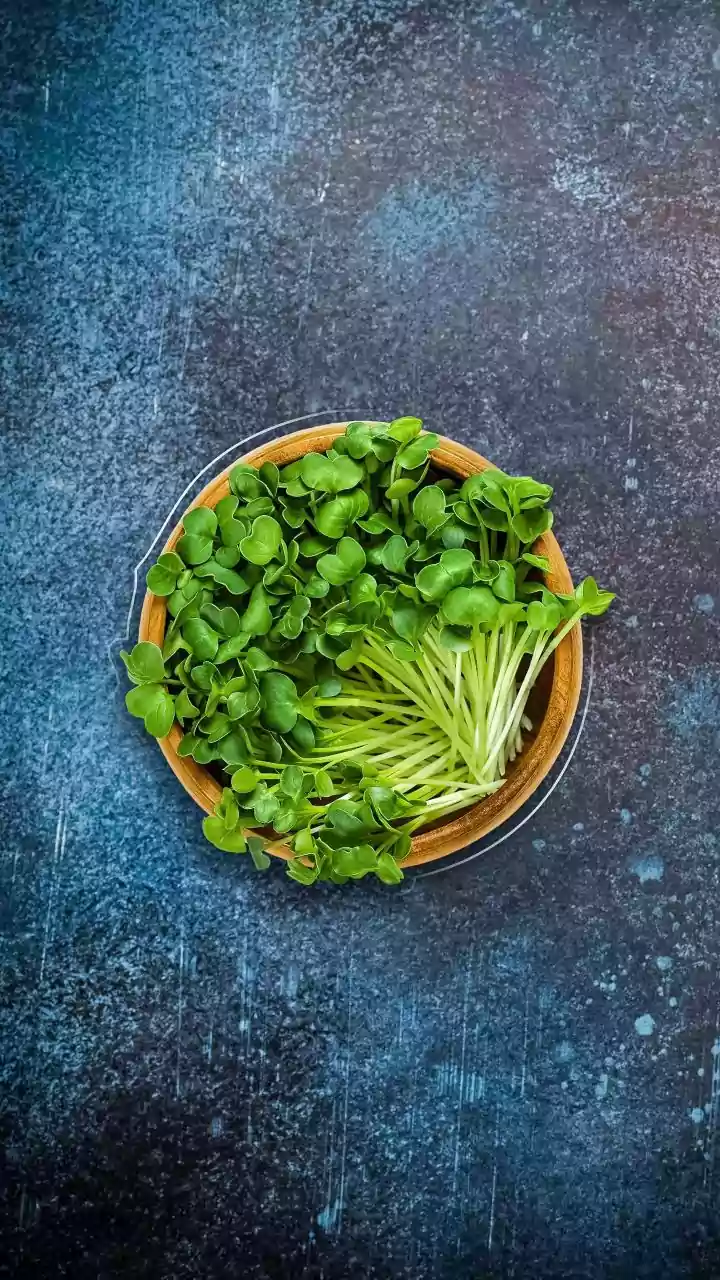
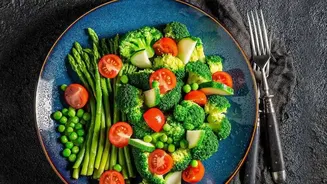
Flavour is only half the story. A dish with one monotonous, soft texture can be uninspiring, even if it tastes good. Texture provides contrast, making each bite more interesting. The most common mistake is overcooking vegetables until they are mushy, which can happen when they are steamed or boiled without care. Planning for texture means deciding what kind of mouthfeel you want to achieve. Do you want a crisp bite, a creamy smoothness, or a combination of both? For example, a simple potato subzi can be transformed by how it's cooked. Boiled and mashed gives you a soft texture, while pan-frying small cubes until golden brown creates a crispy exterior and a fluffy interior. Thinking about this before you start cooking is crucial for elevating the final dish.
Simple Techniques for Textural Contrast
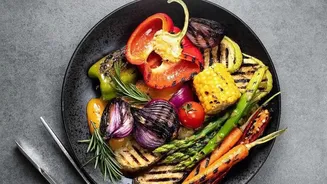
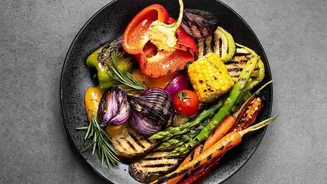
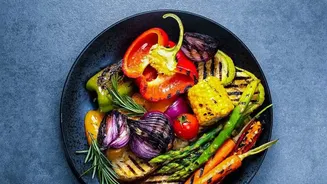
Creating textural variety doesn't require professional skills. One of the easiest methods is roasting. Tossing vegetables like bell peppers, broccoli, or pumpkin with a bit of oil and salt and cooking them at a high temperature creates caramelised, browned edges that are full of flavour and offer a satisfying chew. Another technique is to introduce a crunchy element at the end. Sprinkling roasted peanuts, sesame seeds, or toasted cashews over a finished dish adds an instant crunch. In South Indian cooking, a spoonful of urad dal is often fried with the spices to add little bites of texture to vegetable preparations like poriyal. Even something as simple as adding freshly grated coconut at the end can provide a subtle chewiness that contrasts beautifully with soft-cooked vegetables. Don't be afraid to mix cooking methods either; a stir-fry with quick-cooked crunchy vegetables served alongside a creamy dal creates a balanced and satisfying plate.