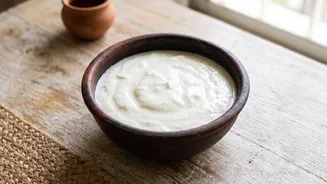




As winter arrives, so does the familiar advice in many Indian homes: avoid curd. The fear is that it can cause colds and coughs. But is this age-old warning based on fact, or is it a myth that keeps us from a nutritious food? Let's unpack it.
The Traditional Ayurvedic View
According
to Ayurveda, the ancient Indian system of medicine, consuming curd in winter, especially at night, is often discouraged. The reasoning is tied to its properties and effect on the body's 'doshas'. Ayurvedic texts describe curd as 'Kapha-Kar', meaning it can increase the Kapha dosha, which is associated with mucus, heaviness, and congestion. The belief is that eating curd, particularly when it's cold, can aggravate this dosha, potentially leading to respiratory issues like colds, coughs, or sinus problems, especially in those who are already prone to them. Interestingly, some Ayurvedic sources also describe curd as 'ushna' or heating in nature, but its post-digestive effect is considered cooling. This complexity is why Ayurveda suggests that if you do eat curd in winter, it should be during the day when digestive fire ('Agni') is strongest.
The Modern Nutritional Perspective
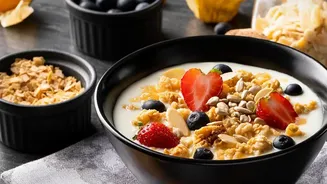
From a modern nutritional science standpoint, there's no reason to avoid curd in winter. In fact, it is encouraged as a superfood packed with benefits. Curd is an excellent source of high-quality protein, calcium for bone health, and essential vitamins like B12 and D. Most importantly, it is a probiotic powerhouse, containing live bacteria that are crucial for maintaining a healthy gut. A strong gut microbiome is directly linked to a robust immune system. During winter, when seasonal infections are more common, a strengthened immune system is your best defense. Some studies even suggest that probiotics may help reduce the risk and duration of respiratory infections.
Does Curd Actually Cause Mucus?
The core of the 'no curd in winter' argument is the belief that it creates mucus. However, modern science largely debunks this. Colds and coughs are caused by viruses, not food. There is no strong scientific evidence showing that dairy products, including curd, cause the body to produce more mucus. What some people might experience is a temporary feeling of thicker saliva or phlegm in the throat after consuming dairy. This is related to the food's texture, known as sensory perception, rather than an actual increase in mucus production. For most healthy individuals, eating curd will not trigger a cold or worsen congestion.
Finding a Healthy Middle Ground
So, how can you reconcile traditional wisdom with modern science? The answer lies not in complete avoidance, but in mindful consumption. If you enjoy curd and want to continue eating it during winter, a few simple adjustments can make all the difference. Experts from both camps often agree on one point: avoid consuming curd straight from the refrigerator. Allowing it to come to room temperature makes it less likely to irritate a sensitive throat. The best time to have it is during the day, preferably with lunch, when your digestion is most active. Avoid eating it late at night, especially if you have respiratory conditions like asthma or are prone to allergies. You can also add warming spices like roasted cumin or black pepper powder to your curd or buttermilk to counter its perceived cooling effect.