






Not Your Mother's Dahi
At first glance, Greek yoghurt might seem like a simple rebranding of our beloved curd. However, the difference lies in one crucial step: straining. Greek yoghurt is essentially regular yoghurt that has been strained to remove most of the liquid whey.
This process results in a product that is significantly thicker, denser, and creamier than traditional dahi. This textural difference is key to its appeal, but the real story is in its nutritional profile. The straining concentrates the protein, with most Greek yoghurt brands offering around double the protein of regular curd—typically 8-10 grams per 100g serving compared to dahi's 3-4 grams. This process also removes a significant amount of lactose, making it lower in carbohydrates and sometimes easier to digest for those with sensitivities.
The Protein-Packed Health Halo
The rise of Greek yoghurt in India is perfectly timed with a larger societal shift towards health and wellness. Urban Indian consumers, particularly millennials and Gen Z, are increasingly health-conscious, seeking out foods that are high in protein and low in sugar. This growing demand for nutritious and functional foods has created a ready market for Greek yoghurt. Fitness enthusiasts see it as an ideal post-workout snack for muscle repair, while those focused on weight management appreciate its ability to promote satiety, keeping them feeling full for longer. Brands have leaned into this, positioning Greek yoghurt not just as a food, but as a lifestyle choice for a generation prioritizing wellness. The market for high-protein dairy products is expanding rapidly in India, and Greek yoghurt is a major beneficiary of this trend.
The Breakfast and Snack Revolution
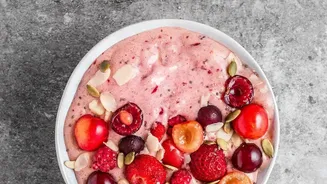
Indian breakfast and snacking habits are evolving. The leisurely, home-cooked morning meal is giving way to quicker, more convenient options, especially in fast-paced urban centres. Many young Indians report skipping breakfast due to a lack of time, even while being more nutritionally aware than previous generations. This is where Greek yoghurt finds its sweet spot. A single-serve cup is the ultimate grab-and-go breakfast or mid-day snack, requiring no preparation. It has become a versatile base for a quick breakfast bowl with granola and fruit, a standalone flavoured snack, or a healthy ingredient in smoothies. This convenience, combined with its strong health credentials, makes it a compelling alternative to both traditional breakfasts and less healthy packaged snacks.
Local Flavours and Market Makers
The success of Greek yoghurt in India isn't just about importing a global trend; it's also about adapting it. While it may have a Greek name, its soul is becoming increasingly Indian. Brands like Epigamia, which pioneered the category in India, understood this from the start. They introduced flavours tailored to the Indian palate, such as Alphonso Mango, alongside global favourites like blueberry. The story of Epigamia, launched in 2015, is one of disrupting the dairy market by identifying a gap for a convenient, healthy, and modern dairy product. While initially a premium, metro-focused product, the entry of dairy giants like Amul into the Greek yoghurt space signals a broader market expansion, making it more accessible and affordable for consumers in Tier-2 and Tier-3 cities as well.