

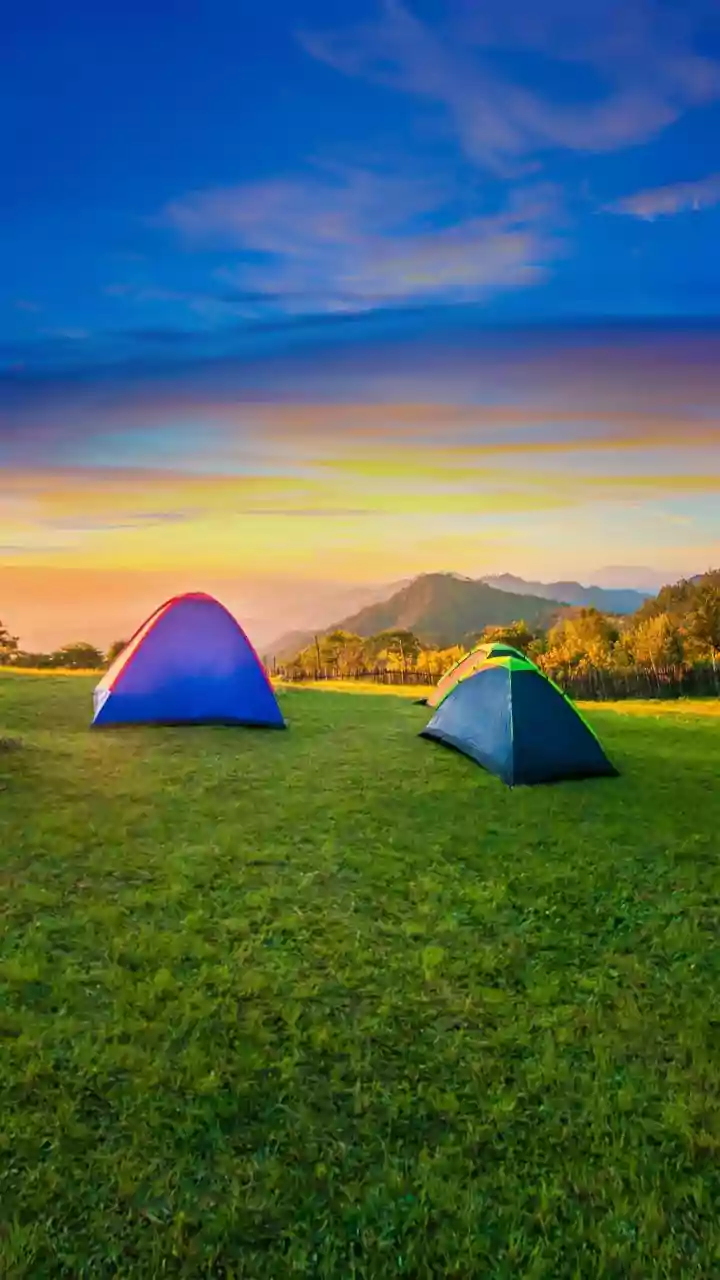
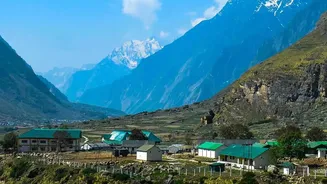

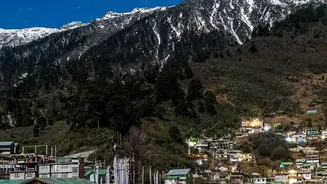
An Unforgettable Autumn Scene
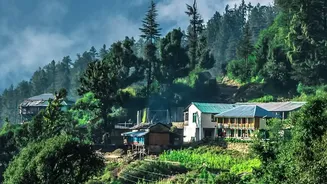
From late September through October, the valleys of Sangla and Kalpa are at their most picturesque. This is the magical window after the monsoon has washed the landscape clean and before the harsh winter sets in. The region, famous for its apple cultivation,
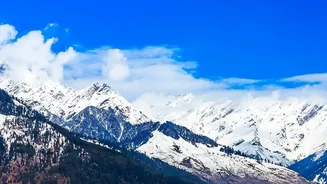
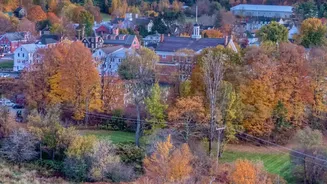
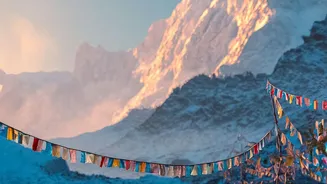
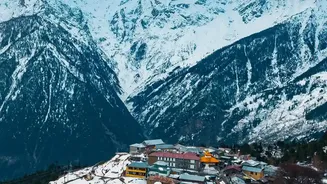
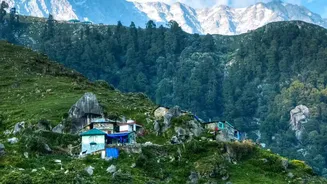
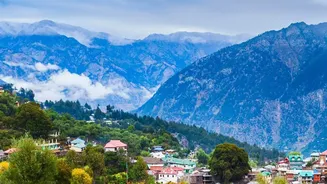
is bustling with the harvest season. Orchards are laden with fruit, and the poplar and apricot trees turn brilliant shades of yellow, orange, and red, creating a stunning contrast against the deep green of the pine forests and the snow-dusted peaks of the Kinner Kailash range. The post-monsoon skies are exceptionally clear, offering unobscured, panoramic views that are often hazy during other times of the year. This period is a photographer’s dream and a nature lover’s paradise, providing a unique opportunity to see the region in its full autumnal glory.
Weather: A Tale of Two Extremes
Autumn weather in the high Himalayas is notoriously unpredictable and defined by sharp temperature swings. While September and early October offer pleasant daytime temperatures, often ranging from 10°C to 20°C, the nights are significantly colder. As October progresses into November, winter begins to announce its arrival. Daytime temperatures drop, and nights can easily dip below freezing, with lows between -5°C and -15°C at higher altitudes like Chitkul. Early snowfall is a distinct possibility, especially in late October and November, which can transform the landscape overnight. Visitors must be prepared for sunny, warm afternoons that can quickly give way to bone-chilling evenings and frosty mornings. The dry, cold air and strong sun at high altitudes also mean that UV radiation is intense, even when it feels cool.
Packing: The Art of Layering
The key to comfort in Kinnaur’s autumn is layering. Your packing list should be built to handle both sunshine and sudden cold. Start with a base layer of thermals or breathable long-sleeved tops. Add a mid-layer like a fleece jacket or a warm sweater for insulation. Your outermost layer must be a windproof and preferably water-resistant jacket to protect against cold winds and potential precipitation. Sturdy, comfortable walking or trekking shoes with good grip are non-negotiable for navigating village paths and uneven terrain. Don’t forget essential accessories: multiple pairs of warm woollen socks, a beanie or warm cap to prevent heat loss from your head, gloves, and a scarf or buff. Sunglasses and a high-SPF sunscreen are crucial to protect against the strong high-altitude sun.
Navigating Roads and Itineraries
The main artery, National Highway 5, is generally open throughout autumn, but it's not without its challenges. This route is famous for its narrow, cliff-hanging sections. During the apple harvesting season in September and October, the roads can be congested with trucks, leading to potential delays. While the main highway usually remains accessible, the smaller roads branching off to Sangla, Kalpa, and particularly Chitkul are more vulnerable. Early snowfall or landslides can cause temporary closures. The road to Chitkul, the last inhabited village near the border, is often the first to close for the winter, sometimes as early as late October or November. It is essential to build buffer days into your itinerary to account for unforeseen delays. Always check road conditions locally before starting your day's journey.
Accommodation and Other Essentials
Autumn is considered a shoulder season in Kinnaur. While it’s quieter than the summer peak, it’s wise to pre-book accommodation, especially in popular spots like Kalpa and Sangla. As November approaches, some guesthouses and hotels in more remote areas like Chitkul may close for the winter. Most hotels in Kalpa and Sangla remain open but may operate with reduced services. Mobile connectivity can be patchy; BSNL and Jio generally have the best coverage, but don't expect reliable high-speed internet everywhere. ATMs are available in the main town of Reckong Peo, but it’s highly advisable to carry sufficient cash, as ATMs in smaller villages can be unreliable or empty. Indian nationals do not require an inner line permit to visit Kalpa, Sangla, and Chitkul.
Must-Do Autumn Experiences
Beyond the stunning views, autumn offers unique activities. A walk through an apple orchard during harvest is a must; some owners may even let you try your hand at picking fruit. In Sangla, explore the Kamru Fort, an ancient wooden tower fort, and walk to Batseri village to see traditional Kinnauri architecture. If the road is open, a day trip to Chitkul is essential for its raw, stark beauty. In Kalpa, the primary activity is soaking in the phenomenal sunrise and sunset views over the Kinner Kailash range. A short walk to the nearby Roghi village offers more dramatic views of the 'suicide point' cliff and a glimpse into local life. The clear autumn nights are also perfect for stargazing, with the Milky Way often visible to the naked eye.