


The Undeniable Pull of Chatpata
What exactly is 'chatpata'? It's less a single taste and more a symphony of sensations. It's the tangy punch of tamarind (imli), the sharp heat of green chillies, the cooling counterpoint of yoghurt (dahi), the earthy warmth of cumin (jeera), and the funky,
sulphuric hit of black salt (kala namak). It’s the flavour profile that defines chaat—from the crisp explosion of a pani puri to the comforting mishmash of a bhel puri. For generations, these were tastes largely enjoyed outside the home, masterfully assembled by street vendors with a practiced flick of the wrist. To eat chatpata food was to participate in a public, communal ritual of flavour.
The Kitchen Becomes the New Street Corner
Something has shifted. The modern Indian kitchen, armed with new gadgets and a global consciousness, is reclaiming these flavours. This movement was accelerated during the pandemic lockdowns, when cravings for street food had to be satisfied within our own four walls. What began as a necessity soon blossomed into a creative movement. Home cooks, missing their favourite chaatwala, started deconstructing and reconstructing these classics. The fear of deep-frying or getting the balance of chutneys 'wrong' gave way to a spirit of confident experimentation. Social media feeds began to fill not just with banana bread, but with artfully arranged dahi vadas and perfectly spherical homemade golgappas.
A Health-Conscious Glow-Up
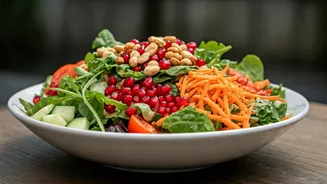
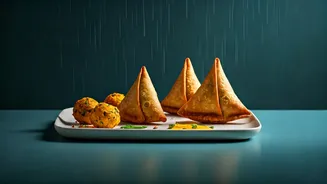
A major driver of this glow-up is a collective move towards healthier eating. The traditional chaat, while delicious, is often associated with deep-frying and generous helpings of sugar and refined carbs. The modern home cook is rewriting that script. The air fryer has become the new kadhai, turning out crispy papdis, samosas, and even vadas with a fraction of the oil. White potatoes in tikkis are being swapped for sweet potatoes or raw bananas. Refined sugar in tamarind chutney is giving way to dates and jaggery for a more wholesome sweetness. We're seeing millet-based bhel, ragi pani puris, and sprouted moong salads that deliver all the chatpata punch without the guilt. It’s no longer about indulgence versus health; it's about making indulgence healthier.
Global Pantry, Desi Heart
This new wave of chatpata cooking is also defined by an open-pantry policy. While the flavour base remains authentically Indian, the ingredients are becoming more global. Avocado, with its creamy texture, has found a happy home in chaat, offering a rich counterpoint to the tangy chutneys. Quinoa and couscous are replacing puffed rice in bhel for a protein-packed, gluten-free alternative. We see corn and black bean salsas getting a chaat masala sprinkle, or baked sweet potato wedges served with a yoghurt-and-chutney dip. This isn’t fusion for the sake of novelty. It’s an organic evolution, driven by a generation of cooks who see no contradiction in pairing a local spice blend with a global superfood. The heart remains desi, even if the ingredients have travelled.
From Street Food to Statement Dish
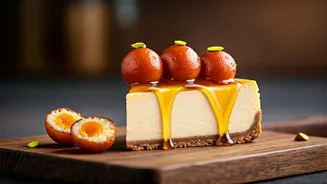
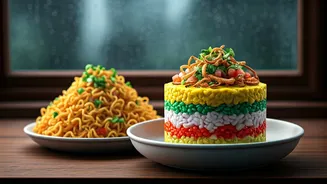
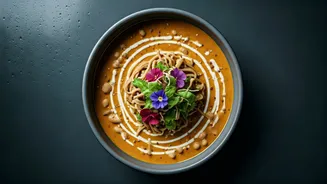
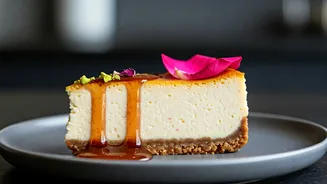
Perhaps the most visible aspect of this glow-up is the presentation. Street food has always been about rustic, immediate pleasure. But at home, it’s getting a fine-dining treatment. Home cooks are now 'plating' their chaat with an artist's eye. Pani puris are served in shot glasses, each with its own little dropper of spicy water. Deconstructed samosa chaat is layered elegantly in a glass bowl, showcasing every colourful component. Sev is sprinkled with the precision of a chef garnishing a Michelin-starred dish. This isn't just about making food look good for Instagram; it’s an act of elevating a beloved, humble food, giving it the respect and creativity it deserves.