



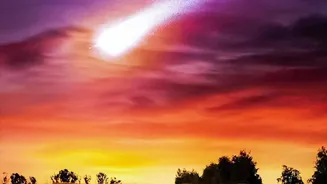
What Exactly Is a Harvest Moon?
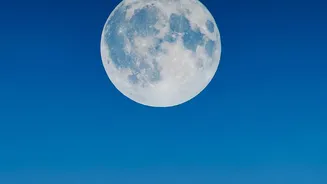
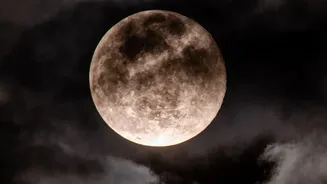
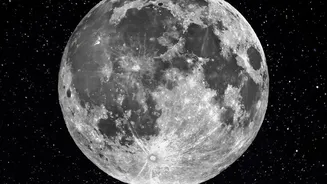
The Harvest Moon is the name given to the full moon that occurs closest to the autumnal equinox, which marks the start of autumn in the Northern Hemisphere. Most years, including 2026, this falls in September, but it can occasionally happen in October.
Its name comes from a time before electricity, when farmers depended on its bright light to continue harvesting their crops late into the evening. For several nights in a row, the moon rises shortly after sunset, providing an extended period of moonlight right when it was needed most. This reliable, early-evening glow made it a crucial tool for a successful harvest.
Mark Your Calendar: When and Where to Watch
The 2026 Harvest Moon will reach its peak illumination on Saturday, September 26. For viewers in India, the key is to look towards the eastern horizon right around sunset. The moon will appear full and brilliant on the nights of both September 26 and September 27, giving you a couple of opportunities to catch it in case of cloudy weather. To the naked eye, the moon will appear entirely full for about three days around its peak. The best time to watch is during moonrise, when it often takes on a stunning golden or orange hue. This colour effect is due to a process called Rayleigh scattering, where the Earth's atmosphere filters the moonlight when it's low on the horizon.
Is It Bigger or Brighter Than Other Moons?
While the Harvest Moon might seem exceptionally large and bright, especially when it's just above the horizon, this is mostly an optical effect known as the 'Moon Illusion.' Our brains perceive the moon as larger when it’s near trees, buildings, or hills on the horizon. Astronomically, what makes the Harvest Moon special is not its size, but the timing of its rise. Around the equinox, the Moon's orbit has a shallow angle to the horizon, causing it to rise only about 20-30 minutes later each night, compared to the usual 50-minute delay. This creates the unique effect of having a bright full moon rising near sunset for several evenings in a row.
A Bonus for Stargazers: Look for Saturn
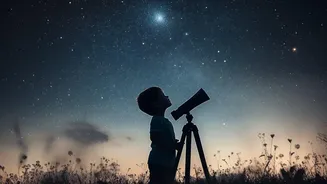
As you gaze at the Harvest Moon, you'll have an extra celestial treat. The planet Saturn will be visible as a bright, star-like object near the lunar disk. On September 27, it will appear less than 10 degrees away from the moon, making it easy to spot even for novice stargazers. If you have a pair of binoculars or a small telescope, you might even be able to get a closer look at the gas giant. With a basic telescope, you could potentially spot Saturn's famous rings and its brightest moons.
Tips for the Best Viewing Experience
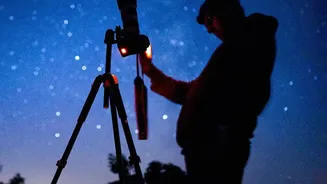
To make the most of the Harvest Moon, find a viewing spot with a clear view of the eastern horizon, away from the glare of city lights. Tall buildings or hills can block your view of the moonrise, so an open field, a hilltop, or even the top of a parking garage can be a good location. Give your eyes about 15-20 minutes to adjust to the darkness; this will help you see more detail on the lunar surface and spot nearby stars. While the full moon can be dazzlingly bright, using a pair of binoculars can reveal stunning details like craters and the dark lunar seas, or 'maria'. And, of course, check the weather forecast beforehand to ensure you have clear skies.