








How a Simple Walk Boosts Digestion
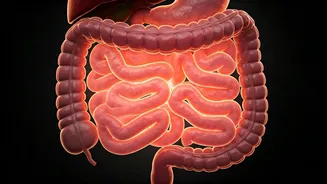
When you take a walk after a meal, you're giving your digestive system a gentle nudge. The light physical movement helps stimulate the stomach and intestines. This process, known as peristalsis, is the series of wave-like muscle contractions that moves
food through your digestive tract. Sitting or lying down immediately after eating can slow this process down, sometimes leading to that sluggish, overly full feeling. By staying upright and moving, you help food transit more rapidly and smoothly. Studies have shown this can significantly reduce common discomforts like bloating, gas, and indigestion. In fact, one study found that a 10- to 15-minute walk after meals was more effective at reducing these symptoms than some digestive medications.
A Major Benefit: Blood Sugar Control
Perhaps the most well-researched benefit of a post-meal walk is its powerful effect on blood sugar levels. After you eat, your body converts carbohydrates into glucose, which enters your bloodstream, causing blood sugar to rise. When you walk, your muscles get to work and use this glucose for energy. This helps lower the amount of sugar circulating in your blood, preventing the sharp spikes and subsequent crashes that can leave you feeling tired. This is particularly beneficial for individuals with prediabetes or type 2 diabetes, but it's a healthy habit for everyone. Research suggests that even a walk as short as two to five minutes can start to have a positive effect. Walking within 30 minutes after eating appears to be most effective for this purpose.
The Right Way to Walk: Timing and Intensity
To get the most out of your post-meal walk, timing and intensity are key. The ideal time to start moving is within 10 to 30 minutes of finishing your meal, as this is when digestion and the blood sugar response are kicking in. If you feel any discomfort, it's perfectly fine to wait a little longer before you start. The goal is a gentle, low-intensity stroll, not a power walk or a run. A leisurely pace is enough to stimulate digestion and help with blood sugar without causing problems. High-intensity exercise too soon after eating can actually hinder digestion by diverting blood flow away from your stomach and toward your muscles, which can lead to cramps and nausea. A walk of 10 to 20 minutes is widely considered the sweet spot to reap the benefits without overdoing it.
More Perks of a Post-Meal Stroll
Beyond digestion and blood sugar, this simple habit has other advantages. Regular, light walking contributes to heart health by improving circulation and helping to manage blood pressure and cholesterol over time. The American Heart Association recommends at least 150 minutes of moderate exercise per week, and three 10-minute walks a day can help you meet that goal. A post-meal walk can also support weight management goals by increasing your daily calorie expenditure and improving your metabolism. Furthermore, taking a short break to walk can boost your mood and provide mental clarity, helping you fight off post-meal fatigue.