






An Asset Steeped in Emotion
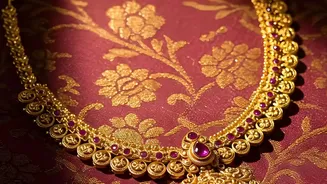
In India, selling gold jewellery is often seen as a last resort, a sign of severe financial distress. These are not just ornaments but carriers of memory and tradition, passed down through generations and interwoven with family legacy. This deep emotional
and cultural attachment means that parting with them is a painful decision. Consequently, when faced with a need for immediate funds, the idea of a loan that keeps the ownership of this sentimental asset intact is far more appealing than an outright sale. Borrowers can meet their financial obligations without sacrificing a piece of their heritage.
The Modern Push for Liquidity
Several economic factors are driving the surge in gold loans. Rising gold prices mean that the same amount of jewellery can secure a larger loan amount than before, making it a more powerful tool for unlocking capital. Recent reports from 2026 show a massive year-on-year increase in credit against gold jewellery from both banks and Non-Banking Financial Companies (NBFCs). This rush for liquidity is used to cover everything from unexpected medical bills and education fees to funding a small business or managing short-term cash flow gaps.
Speed and Simplicity Over Selling
Compared to personal loans, gold loans offer significant advantages. The process is remarkably fast, with funds often disbursed within hours, if not minutes. Because the loan is secured by physical collateral, lenders require minimal documentation, and factors like a borrower's income proof or credit score are often not required. This makes gold loans accessible to a wide range of people, including farmers, small business owners, and those with a limited credit history. Furthermore, interest rates on gold loans are typically lower than those for unsecured personal loans.
How the Gold Loan Process Works
The mechanics of a gold loan are straightforward. A borrower takes their gold articles—usually jewellery—to a lender, such as a bank or an NBFC. An appraiser assesses the purity and weight of the gold to determine its current market value. Based on this valuation, the lender offers a loan amount up to a certain percentage of the gold's value, known as the Loan-to-Value (LTV) ratio, which is regulated by the Reserve Bank of India. Once the terms are agreed upon, the loan is disbursed, and the lender keeps the gold in secure storage. The borrower repays the loan with interest over a set term to reclaim their jewellery.
The Rise of Organised Lending
The gold loan market, once dominated by informal moneylenders, has become increasingly organised. Specialised NBFCs and now, increasingly, traditional banks have expanded their reach into semi-urban and rural areas, making formal credit more accessible. This shift provides borrowers with more transparency, competitive interest rates, and regulated practices. Technology has also played a crucial role, with digital platforms and apps streamlining the application and disbursal process, further enhancing convenience and bringing a new class of urban borrowers, including gig economy workers, into the fold.