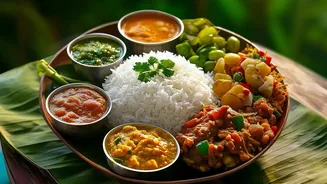




A Cuisine Shaped by the Coast
The Konkan coast, a lush, narrow strip of land along India's western shoreline, is a region of abundance. Dotted with coconut palms and blessed with a climate ideal for growing spices, its cuisine is a direct reflection of its geography. Unlike many other
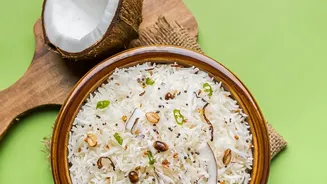
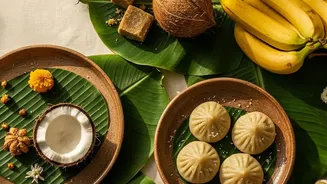
Indian culinary traditions that rely on dairy for richness, Konkani cooking leans heavily on the coconut, which is available year-round. This, combined with a bounty of fresh vegetables grown in local backyards—from Mangalore cucumber and pumpkin to raw jackfruit—forms the foundation of its vibrant vegetarian fare. The result is a cuisine that is deeply resourceful, turning local produce into dishes that are both comforting and complex.
The Versatility of Coconut
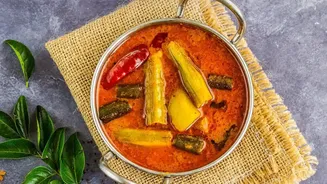
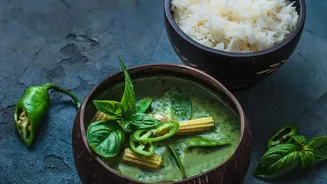
In Konkani cooking, coconut is not just a single ingredient; it's a spectrum of possibilities. Its form dictates the final texture and flavour of a gravy. Freshly grated coconut, ground into a paste, provides a sweet, milky base for dishes like 'ambattikhat' or 'ghashi'. When this paste includes roasted coconut, it adds a deeper, nuttier, and more intense flavour, creating the foundation for darker, richer gravies. Then there is coconut milk, which lends a creamy, delicate sweetness that balances the heat of spices, as seen in milder stews like 'valval'. Finally, coconut oil is often used for tempering ('tadka'), infusing the finished dish with its distinct, aromatic finish. This mastery over a single ingredient allows for an incredible diversity of gravies from a seemingly limited pantry.
The Heart of the Gravy: The Vatan
At the core of many Konkani gravies is the 'vatan' or 'masala vatap'—a foundational paste that combines aromatics and spices. While recipes vary between households, a common version involves roasting ingredients like onion, garlic, ginger, and dried coconut until they are deeply caramelized, then grinding them into a thick paste. This base mixture is a time-saving marvel that can be prepared in advance and stored. More importantly, the roasting process develops a profound depth of flavour that can't be achieved by simply adding raw ingredients to a pot. This pre-cooked, aromatic foundation is what gives many Konkani curries their signature complexity and richness.
A Unique Spice Palette
Beyond common Indian spices like coriander, cumin, and fiery red chillies, Konkani cuisine is defined by a few key regional players. The most distinctive is kokum, the dried rind of the Garcinia indica fruit. Used as a souring agent, it imparts a unique tangy and slightly fruity flavour that cuts through the richness of coconut, providing balance. It is the soul of dishes like sol kadhi, a refreshing pink-hued digestive drink made with coconut milk. Another signature spice is tirphal or teppal, a variety of Sichuan pepper. Not hot, but instead citrusy and aromatic, it leaves a mild, tingling numbness on the tongue. This sensation is prized for its ability to cut through heavy, coconut-based dishes, adding a 'lift' and preventing them from feeling overwhelming. These spices are not interchangeable with tamarind or black pepper; their specific flavours are essential to the authentic Konkani taste profile.