



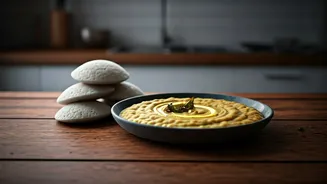




The Craving for Comfort, Redefined
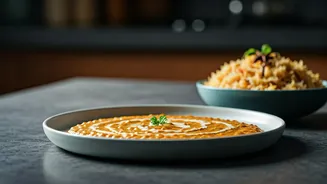
There's an irreplaceable feeling that comes with a bowl of dal makhani or a plate of hot biryani. It’s a taste of home, memory, and tradition. For years, Indian cuisine, especially in restaurants, celebrated these rich, full-bodied flavours. But today,
a new generation of chefs and diners is asking for more. They want the comfort without the culinary coma, the indulgence without the heaviness. This has sparked a movement to reinvent nostalgic dishes, blending tradition with innovation to offer a fresh perspective on what comfort food can be. It’s less about radical change and more about thoughtful evolution, proving that creativity can keep our culinary heritage alive in the most delicious ways.
What Does 'Cleaner' Actually Mean?
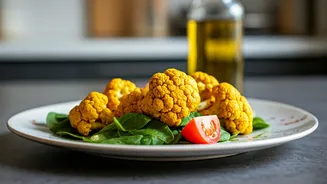
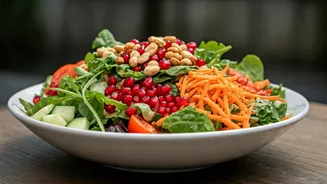
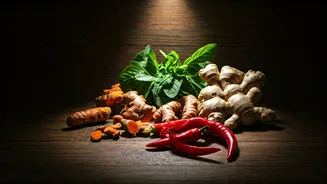
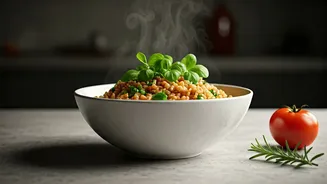
The term 'clean eating' often brings to mind restrictive diets, but in this new restaurant context, it’s about a philosophy of quality and transparency. At its core, it means choosing whole, unprocessed foods and avoiding artificial additives. Chefs are swapping heavy creams and refined oils for lighter, healthier fats, and prioritising fresh, seasonal, and often organic produce. This might mean using locally sourced millets instead of refined flour, highlighting plant-based proteins like jackfruit and lotus root, or making sauces from scratch to control sugar and sodium. The result is food that is not only lighter on the stomach but also allows the true flavours of the high-quality ingredients to shine through.
And How Is It 'Smarter'?
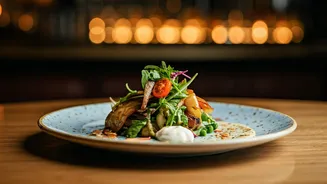
The 'smarter' upgrade is where culinary innovation comes into play. Chefs are adopting modern techniques not for gimmickry, but to enhance flavour and texture in intelligent ways. Techniques like sous-vide, where ingredients are slow-cooked at a precise temperature, can make a mutton curry impossibly tender without excess oil. Reviving ancient methods like cooking in clay pots or fermentation is also part of this trend; clay pots provide an earthy flavour and balance acidity, while fermentation adds complexity and probiotic benefits. This intelligent approach extends to plating, where global aesthetics are used to present a familiar curry with newfound elegance, and even to kitchen philosophy, with a focus on sustainability and minimising waste.
Nostalgia on a Modern Plate
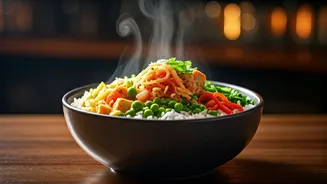
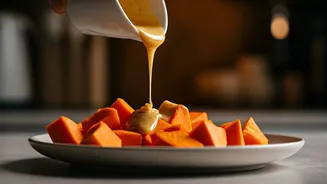
Across India, menus are reflecting this exciting shift. Street food classics are being reimagined in gourmet settings, like vada pav with artisanal bread or pani puri presented with a gourmet twist. A traditional Dahi Bhalla might be deconstructed into a light, airy pastry, or a classic kebab served with a refined sauce. Instead of a heavy, cream-laden chicken tikka masala, you might find tandoori chicken marinated in yogurt and spices, baked in a clay pot for a smoky, tender result that's far healthier. Even desserts are getting a makeover, with classics like gulab jamun being reimagined with contemporary plating and new flavour infusions. It's about preserving the soul of the dish while elevating the experience.
More Than Just a Passing Trend
This movement is more than a fleeting food trend; it reflects a deeper cultural shift. There is a growing confidence in Indian cuisine, where chefs no longer feel the need to 'translate' dishes for a global audience but are instead diving deep into regional specialties and celebrating hyper-local ingredients. Diners, too, are more conscious about their health and the environment, seeking out meals that are both nourishing and sustainable. This has created the perfect environment for restaurants to demolish the myth that healthy food has to be boring. By focusing on plant-forward menus, embracing our own superfoods like millets, and applying modern techniques to age-old recipes, these chefs are writing a new chapter for Indian food—one that is rooted in tradition but looking confidently towards the future.