







More Than Just Decoration
The shift towards integrating plants into our homes is about more than just aesthetics; it's a strategic response to modern urban life. This trend is rooted in 'biophilic design', a concept centered on humanity's innate need to connect with nature. In
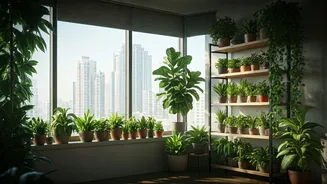
cities like Mumbai, Delhi, and Bengaluru, where residents often have limited access to natural landscapes, bringing the outdoors in has become a powerful way to create a sanctuary. Architects and interior designers are increasingly incorporating elements like green walls, indoor gardens, and spaces that maximize natural light to improve the well-being of occupants. It’s a deliberate move to counteract the stress and sensory deprivation of spending up to 90% of our time indoors.
A Prescription for Wellness
The mental and physical health benefits of houseplants are a major driver of their popularity. Numerous studies have shown that interaction with indoor plants can significantly reduce stress, anxiety, and even depression. The simple act of tending to a plant—watering it, watching it grow—can be a form of mindfulness, helping to lower heart rate and blood pressure. In an era of remote work and increased screen time, having a touch of green in your home office can boost concentration and productivity. Furthermore, certain plants are powerhouse air purifiers. Species like the Snake Plant, Peace Lily, and Areca Palm are known for their ability to remove common indoor toxins, literally making our homes healthier places to breathe.
The Rise of the 'Plant Parent'
This green movement has also cultivated a new cultural identity: the 'plant parent'. Driven by millennials and Gen Z, this trend has transformed gardening from a retiree's hobby into a cool, aspirational lifestyle. Social media platforms are filled with proud plant parents sharing photos of their leafy 'babies', exchanging care tips, and celebrating new growth. This sense of nurturing and responsibility offers a unique form of companionship and a feeling of accomplishment. For many young urbanites, caring for plants provides a way to satisfy a nurturing instinct, particularly as major life decisions like having children are postponed. It has even become a social connector, with online communities and plant-swap groups flourishing across India.
Designing Your Indoor Oasis
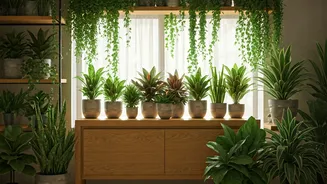
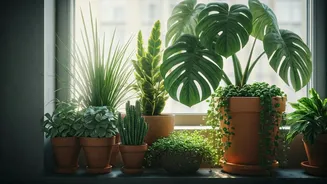
Integrating plants is now a key part of interior strategy, not an afterthought. It involves choosing the right plant for the right space—considering light conditions, humidity, and care requirements. The goal is to create a cohesive environment where plants complement the decor. For instance, a tall, architectural Snake Plant can make a statement in a minimalist room, while a trailing Money Plant can soften the edges of a bookshelf. Even in space-starved apartments, vertical gardens and hanging planters are being used to create lushness without sacrificing floor space. This considered approach has given rise to new services, including online nurseries and plant consultants who help urban dwellers curate their perfect indoor jungle.
Getting Started in Your Home
Starting your own indoor garden doesn't have to be intimidating. For beginners in Indian homes, several low-maintenance plants are known to thrive. The indestructible Money Plant (Pothos) and the hardy ZZ Plant are excellent choices for those with a less-than-green thumb, as they tolerate low light and infrequent watering. The Snake Plant is another go-to, famous for releasing oxygen at night, making it perfect for bedrooms. For a touch of the tropics, the Areca Palm adds elegance and is a great natural humidifier. Even a small Aloe Vera on a sunny kitchen windowsill is both beautiful and functional, offering its soothing gel for minor skin irritations. The key is to start small and choose plants that fit your lifestyle and home environment.