




Understanding the Tea Spectrum
Before you can choose your lineup, it helps to know the main categories. Surprisingly, the five major types of tea—white, green, oolong, black, and pu-erh—all come from the same plant, Camellia sinensis. Their dramatic differences in color and flavor
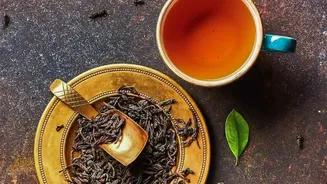
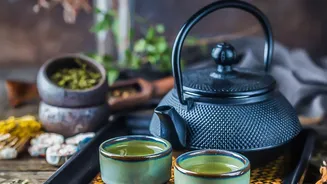
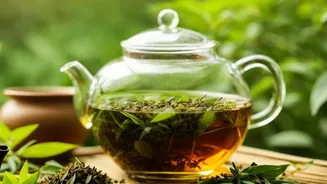
are a result of processing, particularly the level of oxidation the leaves undergo after harvesting. White tea is the least processed and most delicate. Green tea is unoxidized, preserving its fresh, vegetal character. Oolong teas are partially oxidized, creating a wide spectrum of flavors from light and floral to dark and toasty. Black tea is fully oxidized, resulting in deep, robust, and malty flavors. Finally, herbal teas, or 'tisanes', are not technically teas at all as they are made from herbs, flowers, and fruits. They are a crucial addition for any tasting as they provide naturally caffeine-free options.
Curating for Contrast and Comparison
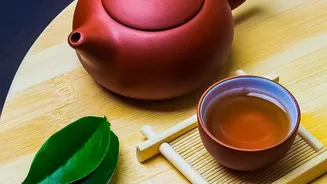
The goal of a tasting is to explore and compare, so variety is key. Aim to select three to five different teas that showcase a range of profiles. A good starting point is to pick one tea from several different categories. For instance, you could offer a delicate white tea, a grassy green tea, a complex oolong, and a robust black tea. This gives your guests a clear sense of the diversity within the world of tea. For an even more educational experience, you could feature two teas from the same category but different regions, such as a Chinese green tea and a Japanese green tea, to highlight how geography and processing create unique flavors.
Planning Your Tasting Flight
The order in which you serve the teas is critical. Always progress from the lightest and most delicate flavors to the strongest and most robust. This prevents the powerful notes of a dark tea from overwhelming the subtle nuances of a lighter one. A typical and effective order is: white tea, then green tea, followed by oolong, and finishing with black tea. If you are including smoky teas like Lapsang Souchong or fermented Pu-erh, they should be served last. Flavored or scented teas should also come at the end of the sequence. Between each tasting, offer simple palate cleansers like plain water or unsalted crackers to help your guests reset.
Consider a Theme
A theme can make your tasting more focused and memorable. You could organize a tasting around a single region, exploring the various teas produced in a place like Darjeeling, India, or Yunnan, China. Another idea is to do a deep dive into one category, such as a flight of different oolongs to showcase their incredible range from green to dark. You could also create a theme based on flavor profiles, like 'A Floral Journey' featuring jasmine, chamomile, and lavender-infused teas, or 'Seasonal Sips' with light, fruity teas for summer and spiced blends for winter. This thematic approach adds a layer of storytelling to the experience.
Accommodating All Preferences
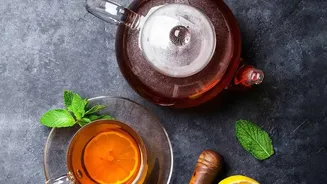
Remember to include options for guests who may be sensitive to caffeine or simply prefer different flavors. Having at least one high-quality herbal tea is a thoughtful touch. Popular choices like peppermint, chamomile, or a fruity rooibos are generally well-received and offer a soothing, caffeine-free alternative. When introducing the teas, you can briefly mention the general caffeine levels, noting that black tea is typically highest, followed by oolong, green, and white, with herbal infusions being caffeine-free. This allows guests to make informed choices and ensures everyone feels welcome and catered for.