






What the Forecast Actually Says
Private weather forecasting agency Skymet has issued its preliminary forecast for the 2024 southwest monsoon, predicting rainfall to be 'below normal'. Specifically, they anticipate precipitation to be around 92% of the Long Period Average (LPA). The
LPA, which is 868.6 mm for the four-month period from June to September, serves as the benchmark for a 'normal' monsoon. A monsoon is considered below normal when rainfall is between 90% and 95% of this average. While 2023 saw a 'near-normal' monsoon at 94% of the LPA, this new forecast for 2024 is the first major indication of potential rainfall deficiency for the upcoming season, prompting early attention from across sectors.
The Science Behind the Skies: El Niño's Lingering Shadow
The primary reason for this cautious outlook is the transition away from a strong El Niño. El Niño is a climate pattern characterized by the warming of sea surface temperatures in the Pacific Ocean, which historically has a strong correlation with suppressed monsoon rainfall in India. While the current El Niño is weakening and expected to transition to La Niña—its cooler counterpart which typically enhances the monsoon—this shift may not happen soon enough. Skymet’s forecast suggests that the lingering effects of El Niño will impact the crucial opening months of the monsoon season, particularly June and July. The fear is that by the time La Niña conditions fully establish and begin to positively influence rainfall, the core of the season might already be compromised.
Why This Matters for Every Indian
The monsoon is the engine of India's rural economy. Over half of the country's net cultivated area is rain-fed, directly dependent on the monsoon for irrigation. The performance of the four-month rainy season dictates the fate of the crucial Kharif (summer) crops, which include staples like rice, maize, and soybean. A healthy monsoon boosts farm incomes, increases rural demand, and keeps food inflation in check. Conversely, a weak monsoon can trigger a cascade of negative effects: lower crop yields, distress for millions of farmers, reduced agricultural GDP, and a surge in food prices that affects every household budget in the country. It also determines water levels in our major reservoirs, impacting drinking water supply and hydropower generation.
The Direct Impact on the Farm
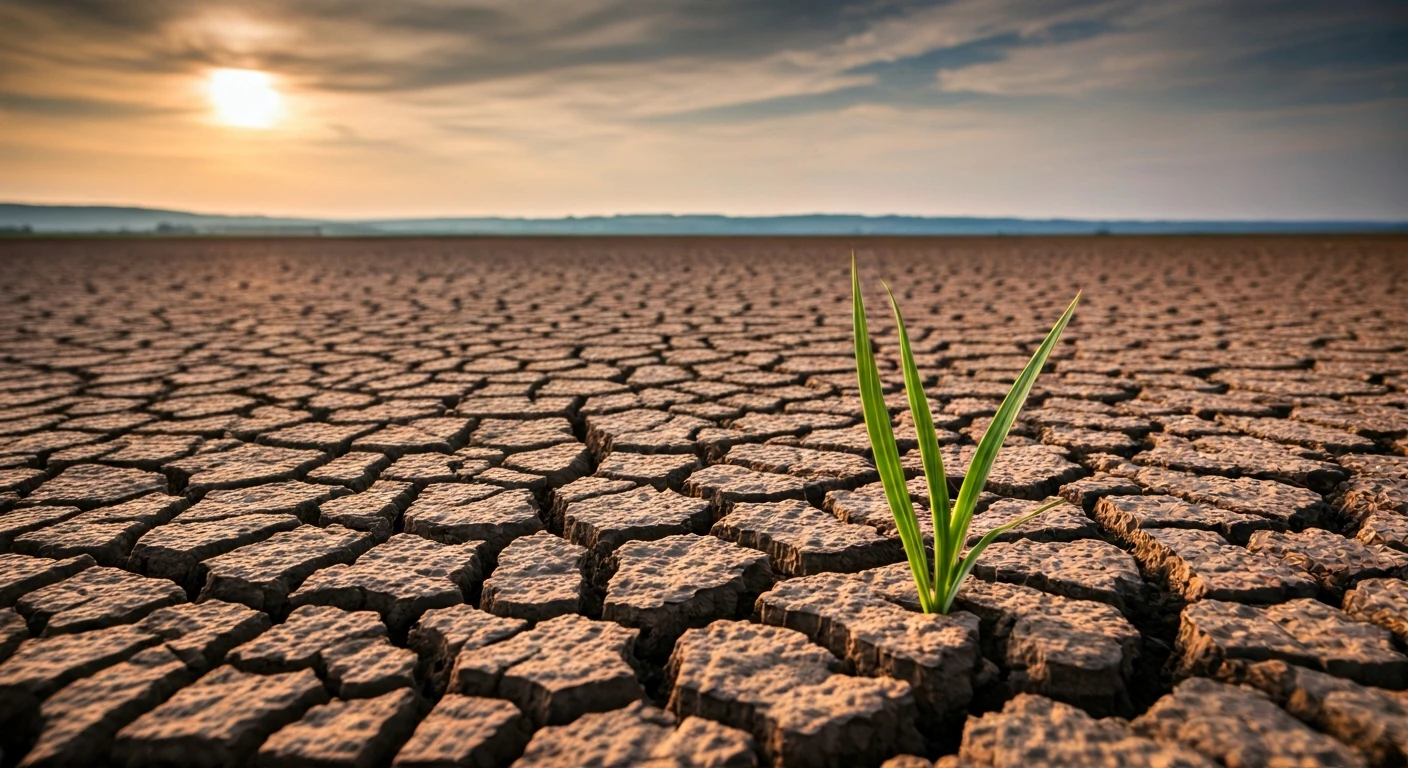
For India’s farmers, a below-normal monsoon forecast is a source of immense anxiety. It means a higher risk of drought-like conditions in several parts of the country, particularly in the rain-fed agricultural belts of the north, west, and central regions. Sowing of key Kharif crops could be delayed or hampered by insufficient moisture. Even if crops are sown, erratic or deficient rainfall can stunt growth, reduce yields, and lead to crop failure. This not only decimates a farmer's income for the season but can also push them deeper into debt, creating a cycle of distress that reverberates through rural communities.
What to Watch for Next
It is crucial to remember that this is an early forecast from a private agency. All eyes are now on the official forecast from the India Meteorological Department (IMD), which is typically released in mid-April. The IMD uses a different and more comprehensive model, and its prediction will be a key factor in how the government and various agencies prepare. Furthermore, the overall quantum of rain is only one part of the story. The spatial and temporal distribution of rainfall is just as important. A few heavy downpours cannot compensate for long dry spells during critical stages of crop growth. The performance of the monsoon in July and August, the most critical months, will be watched with bated breath.