




The Great Indian Snack Overhaul
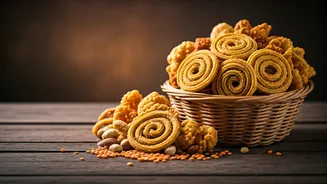
The Indian snack market is in the midst of a revolution. For generations, snacking meant deep-fried favourites or sugary biscuits. While delicious, these options are often high in refined flour, unhealthy fats, and sugar. Today, a significant shift is underway.
Driven by rising health consciousness and a greater awareness of lifestyle diseases, Indian consumers are actively seeking out healthier options. The market for healthy snacks in India was valued at over USD 3 billion in 2025 and is projected to grow steadily, with some estimates predicting it will reach over USD 8 billion by 2033. This isn't just a metro phenomenon; the trend is gaining traction across the country as people look for convenient, nutritious food that fits into their busy lives. According to one survey, 72% of respondents actively seek snacks with functional benefits, pushing brands to innovate beyond just taste.
What Makes a Snack 'Better-For-You'?
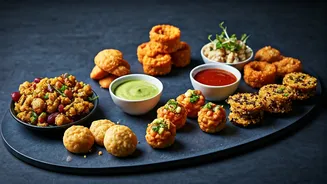
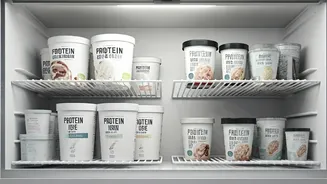
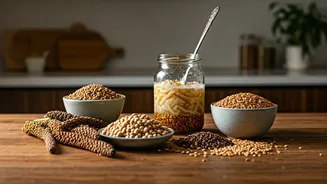
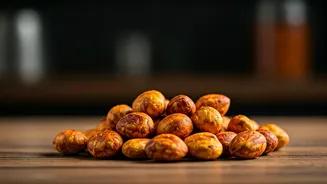
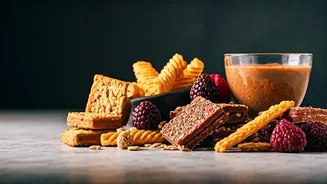
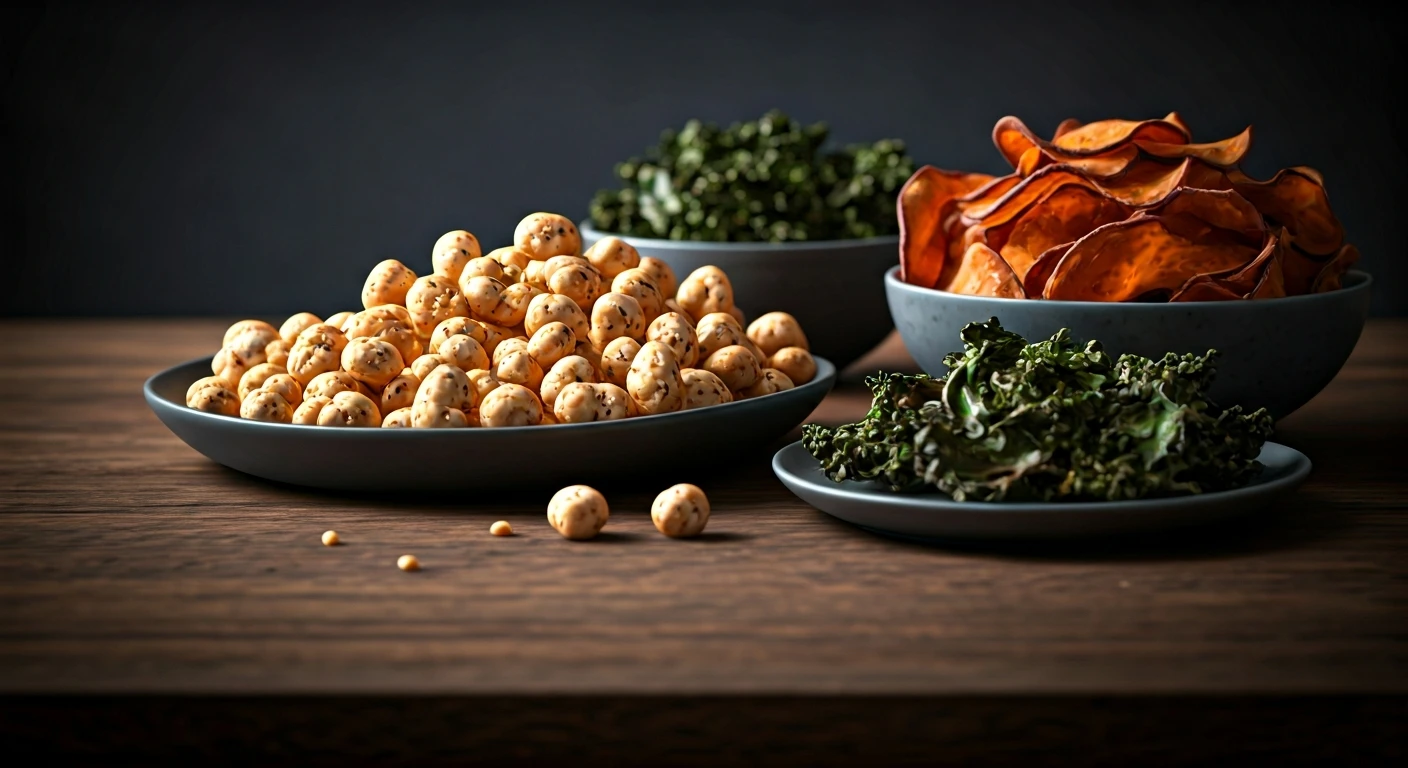
The term 'better-for-you' (BFY) is broad, but it generally refers to snacks that offer an improved nutritional profile compared to their traditional counterparts. This can mean a few different things. Often, it involves replacing refined flour (maida) with whole grains like oats, ragi, or jowar. Instead of being fried in palm oil, these snacks are typically baked, popped, or roasted. The ingredient list often highlights what’s been added—like protein and fibre—and what's been removed or reduced, such as added sugars, trans fats, and artificial preservatives. Popular examples flooding Indian stores include baked multigrain chips, protein bars, roasted makhana (fox nuts) in various flavours, and trail mixes made from nuts, seeds, and berries. The goal is to provide a satisfying crunch or sweet treat that feels less like a 'cheat' and more like a smart choice.
The Psychology of Guilt-Free Eating
The phrase 'guilt-free' is powerful marketing. It speaks directly to the internal conflict many feel when craving something indulgent while trying to maintain a healthy lifestyle. Food marketers understand that guilt is a significant factor in consumer choice. By positioning a product as 'better-for-you' or 'healthy', brands create what's known as a 'health halo'. This can lead consumers to perceive the snack as more virtuous and, in some cases, even consume more of it than they otherwise would. The appeal is clear: these snacks promise the pleasure of indulgence without the psychological cost. However, experts caution that this can be a double-edged sword. While these options are often an improvement, relying on a 'guilt-free' label can sometimes distract from mindful eating and portion control.
How to Be a Smart Snacker
With supermarket aisles crowded with options, navigating the world of healthy snacks requires a discerning eye. The front of the package tells a story, but the nutrition label and ingredient list reveal the facts. A recent survey found that 73% of Indians now read ingredient lists before buying snacks, signalling a move toward more conscious consumption. When choosing a BFY snack, look for short ingredient lists with recognizable whole foods. Pay attention to sugar content—it can hide under names like high-fructose corn syrup, dextrose, or maltodextrin. Check the source of fats; coconut or avocado oil are better choices than hydrogenated vegetable oils. While a bag of roasted makhana is certainly a step up from fried potato chips, the foundation of a healthy diet remains whole, unprocessed foods like fresh fruits, vegetables, and nuts.
The Future of Snacking in India
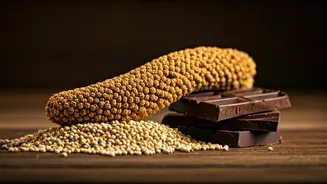
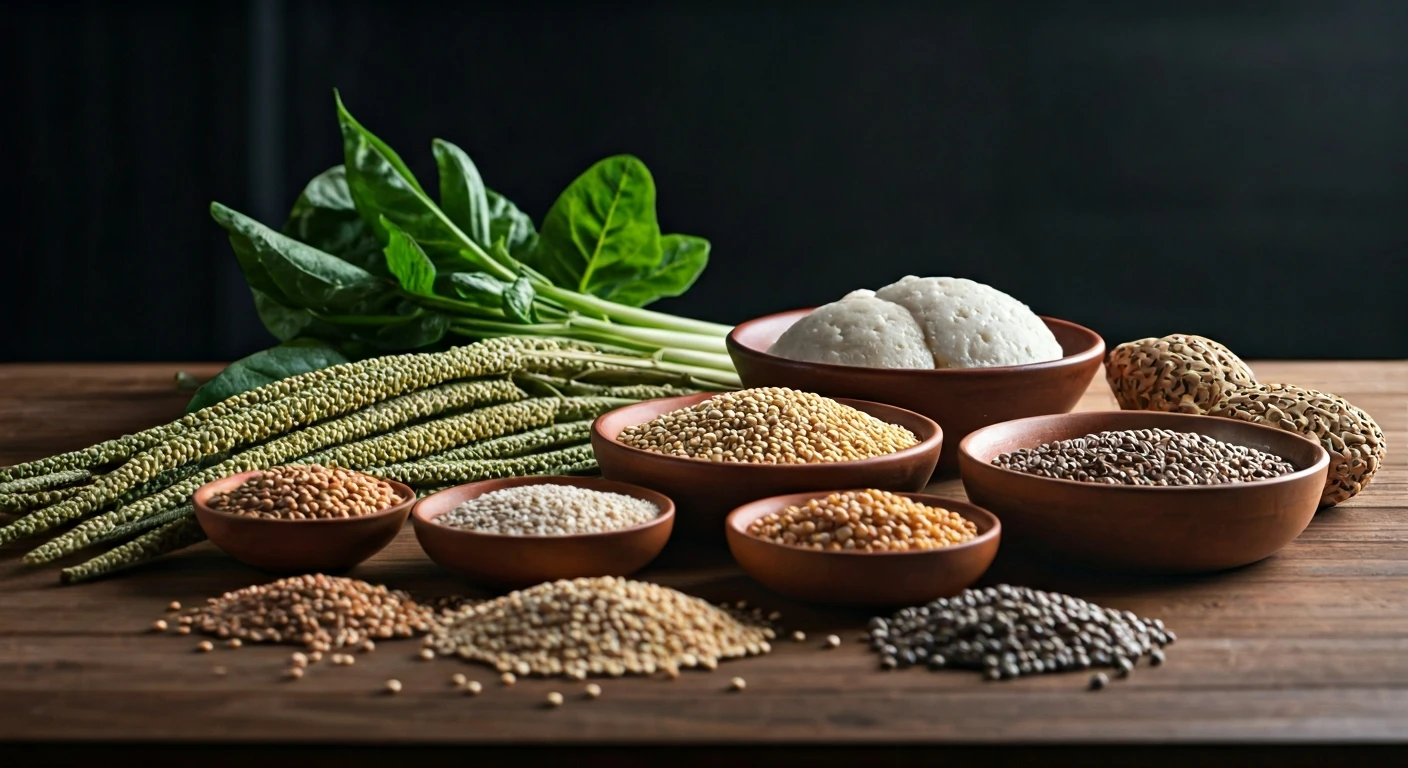
The better-for-you trend is more than a fad; it reflects a fundamental change in how Indians think about food. A host of homegrown startups and established food giants are innovating to meet this demand, offering everything from pani puri-flavoured protein chips to baked bhujia and millet-based crackers. This movement is also reviving traditional Indian ingredients like millets, amaranth, and seeds, which are naturally nutritious and sustainable. While the ultimate goal for many is to find a balance where food choices don't come with a side of guilt, the rise of better-for-you snacks provides a welcome middle ground. It's about making conscious choices, enjoying treats without anxiety, and embracing a culture where snacking can be both pleasurable and nourishing.