





The Illusion of Choice
India's online fashion market is booming, expected to grow at over 21% annually to reach a staggering size in the coming years. Platforms like Myntra and Ajio have become household names, offering unparalleled convenience and a seemingly endless catalogue
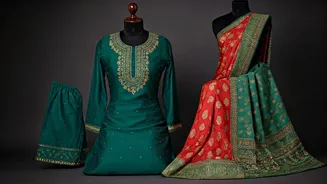
of apparel. Yet, this explosion of choice has led to a strange paradox: homogenization. Influenced by global fast-fashion trends, the digital storefronts of major retailers are dominated by a rotating cast of Western styles—crop tops, denims, and dresses that could be sold anywhere in the world. This creates an illusion of variety, where algorithms push trending, mass-produced items, while the rich diversity of India's own fashion vocabulary gets sidelined. The result is a digital landscape where it’s easier to find a Korean-inspired top than a well-crafted Kurta that reflects a specific regional craft.
A Land of a Thousand Styles
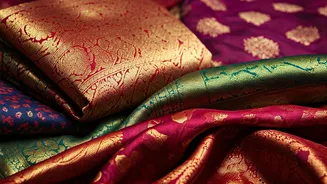
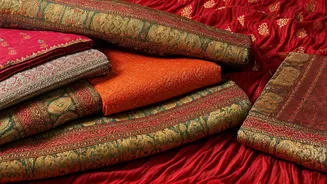
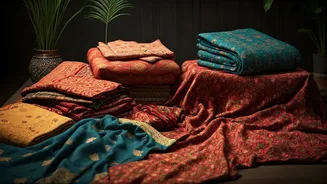
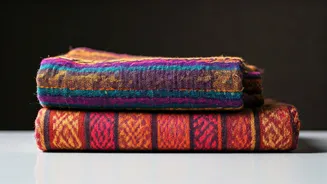
The missed opportunity is immense. India is not a single market; it is a continent of cultures, each with its own sartorial identity. From the intricate Bandhani of Gujarat and Rajasthan to the geometric Ikat of Pochampally, and the fine Kasavu of Kerala, the country is a living museum of textile arts. These aren't just fabrics; they are stories woven over generations. However, these traditions face immense pressure from machine-made textiles and the fast-fashion industry, which prioritizes speed and low cost over craftsmanship. The handloom sector, in particular, struggles with challenges like inconsistent incomes for weavers and limited market access. By failing to adequately platform these crafts, online retailers are overlooking a deep well of authenticity that modern consumers, especially those weary of fast fashion's environmental and ethical toll, are actively seeking.
The Business Case for Going Local
Embracing local style is not just a cultural imperative; it’s a powerful business strategy. While Western wear has a strong foothold in metros, ethnic wear demand remains incredibly stable and widespread, especially in Tier-2 and Tier-3 cities and during the country's extensive festive and wedding seasons. A 2025 study showed that 65% of Indian shoppers preferred gifting ethnic wear during festivals. The success of Direct-to-Consumer (D2C) brands proves this point. Startups focusing on modern ethnic wear, handloom fabrics, or fusion styles are finding loyal audiences by offering something unique. These brands understand that Indian consumers want products that reflect their identity—aspirational but relatable, with a strong cultural anchor. By creating platforms and programs that support these smaller, homegrown labels, major e-tailers can tap into this energy. Ajio's AJIOGRAM initiative, which onboards homegrown D2C brands, is a step in this direction.
The Path Forward: Curation over Aggregation
To truly succeed, large online platforms need to evolve from being mere aggregators of products to becoming thoughtful curators of style. This means moving beyond a simplistic 'Ethnic Wear' tab. It requires deeper investment in storytelling, educating consumers about the heritage behind a fabric or the artisans who made their garment. It means improving search and discovery so a customer can look for 'Phulkari embroidery' or 'Banarasi silk' and find authentic options. It involves creating dedicated digital storefronts for regional crafts, collaborating directly with artisan clusters, and ensuring fair-trade practices. Some brands are already adapting their strategies, creating localized collections and using their platforms to empower weavers and artisans, recognizing that authenticity and transparency resonate with today's buyers. Myntra's 'Myntra Rising Stars' program to support emerging D2C labels is one such example.