


The Great Millet Revival
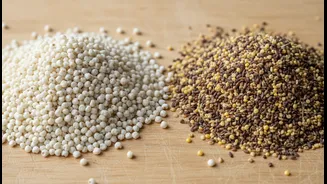
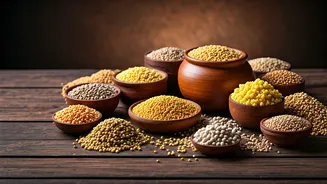
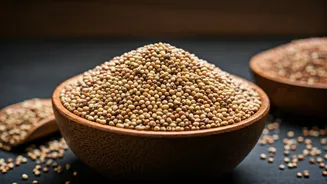
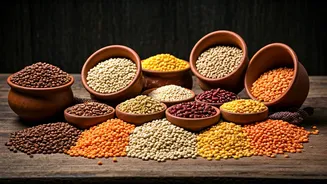
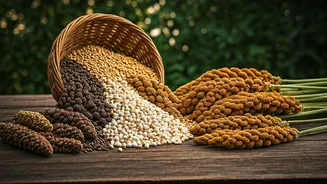
For centuries, millets like jowar, bajra, and ragi were staples across India, valued for their resilience and nutrition. These hardy crops thrive in arid conditions with minimal water, making them incredibly sustainable. However, with the rise of polished
rice and wheat, millets were gradually pushed to the margins, often perceived as 'poor man's food'. Today, a massive cultural shift is underway. Driven by a renewed focus on wellness, sustainability, and local eating, consumers and chefs are rediscovering these ancient grains for their impressive health benefits. They are naturally gluten-free, rich in fibre, and packed with essential minerals like iron, calcium, and magnesium.
Decoding 'Organic': A Mark of Purity
The first step up from conventional millets is 'organic'. This isn't just a marketing buzzword; it's a commitment to a specific farming practice. Organic millets are grown without the use of synthetic pesticides and chemical fertilizers. Farmers rely on natural methods like crop rotation and composting to maintain soil health. In India, you can look for the FSSAI's 'Jaivik Bharat' logo on packaging, which certifies that the product adheres to organic standards. Choosing organic ensures you are consuming a cleaner grain, free from chemical residues, while also supporting farming practices that are better for the environment.
From Organic to 'Premium': What's the Upgrade?
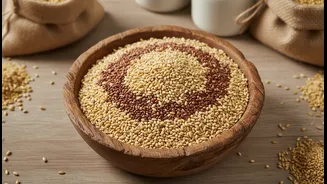
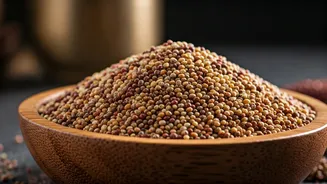
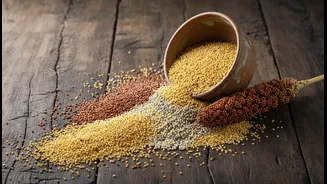
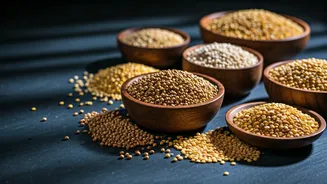
While most premium millets are organic, the 'premium' label signifies additional layers of quality. This often comes down to three key factors: processing, variety, and sourcing. Premium millets are almost always unpolished. Polishing grains to make them look shiny and uniform strips away the nutritious outer bran layer, which is rich in fibre and minerals. Unpolished millets retain this natural goodness. The term 'premium' may also refer to the use of specific heirloom or indigenous varieties, such as Kodo millet or black foxtail millet, which are being revived for their unique flavours and nutritional profiles. These are often sourced from specific regions or single farms, ensuring traceability and superior quality.
The 'Gourmet' Leap: Millets in the Modern Kitchen
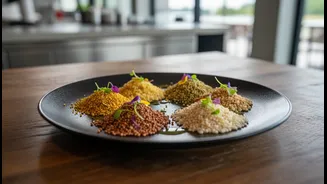
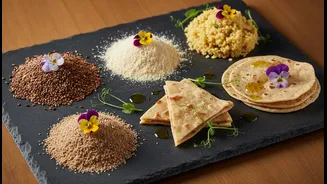
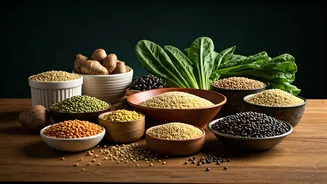
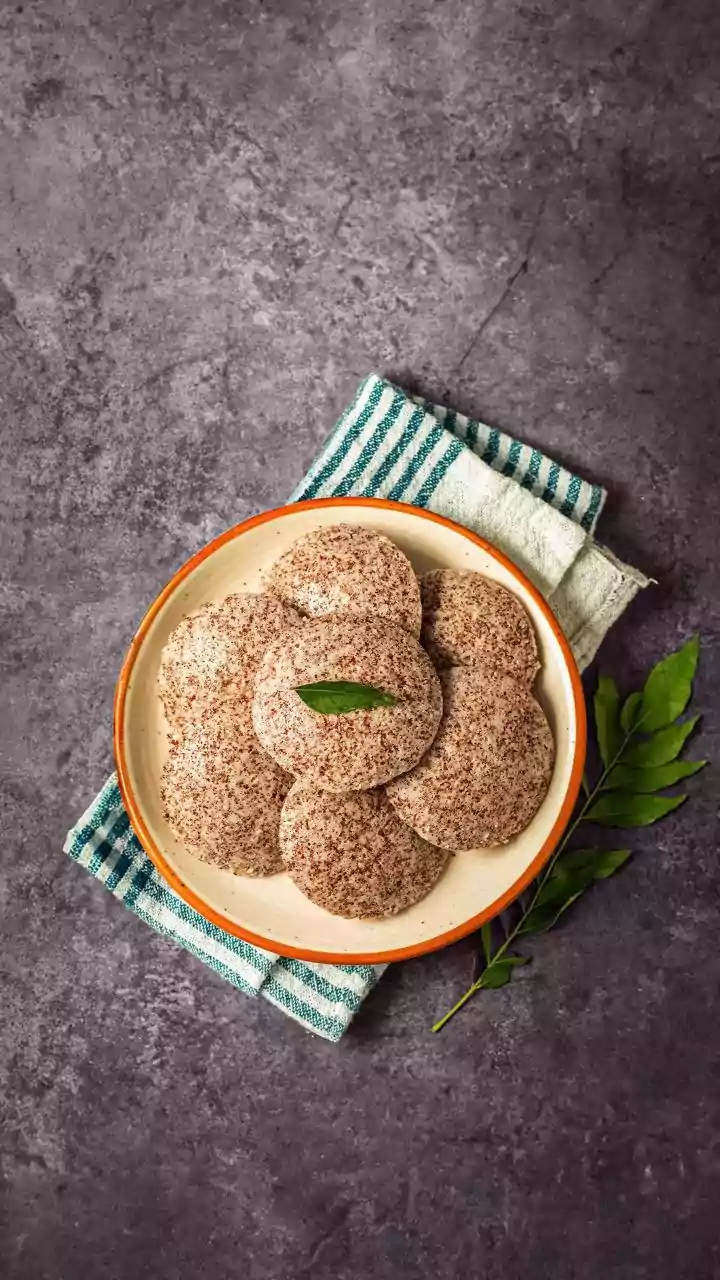
Millets achieve 'gourmet' status when they are embraced by culinary experts for their versatility and unique textures. Chefs are moving beyond traditional rotis and porridge, using millets in innovative and sophisticated dishes. Think foxtail millet replacing rice in a creamy risotto, barnyard millet used in light, fluffy pulaos, or ragi flour being incorporated into decadent chocolate cakes and crunchy cookies. The nutty, earthy flavours of different millet varieties add depth to salads, energy bars, and even craft beers. This culinary creativity is transforming the perception of millets, placing them on menus at high-end restaurants and in the kitchens of adventurous home cooks.
How to Shop Smart and Cook Right
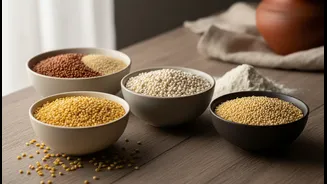
When shopping, don't be swayed by packaging alone. Look for 'unpolished' on the label and check for organic certifications. Good quality millets should have a natural, earthy aroma and be free from any unpleasant or bitter smell. To start cooking, remember that each millet has its own character. Lighter grains like little millet (kutki) and foxtail millet (kangni) are great for upmas and pulaos, cooking quickly. Denser millets like pearl millet (bajra) and sorghum (jowar) have stronger flavours and are perfect for making hearty flatbreads. For a simple start, try replacing half the rice in your next khichdi with foxtail millet for a nutrient boost.