



Know Your Monsoon Enemies
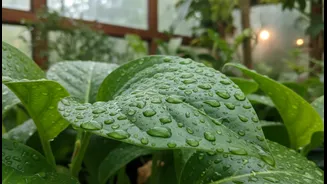
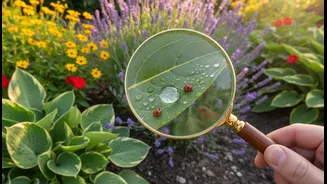
The first step to effective pest control is identification. During the Indian monsoon, the damp and humid weather encourages specific problems. Watch out for sap-sucking insects like aphids, mealybugs, and whiteflies, which cause leaves to curl and yellow.
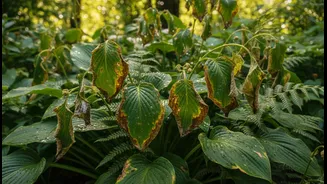
Leaf-eating caterpillars, slugs, and snails also thrive, creating holes in your foliage. Beyond insects, fungal diseases are a major threat. Powdery mildew, which looks like a white dusting on leaves, and leaf spot diseases are common. Excess water can also lead to root rot, causing plants to wilt even when the soil is wet.
The Power of Neem Oil
Neem oil is a cornerstone of organic gardening in India for good reason. Extracted from the neem tree, it acts as a broad-spectrum insecticide and fungicide, effective against hundreds of pests, including aphids, whiteflies, and mealybugs. Its active compound, Azadirachtin, disrupts the life cycle of insects and deters them from feeding. To create a spray, mix 5 ml of cold-pressed neem oil with 1 litre of warm water and a few drops of mild liquid soap, which acts as an emulsifier. Shake well and spray on the tops and undersides of leaves every 7-10 days as a preventative measure, or more frequently if you have an active infestation. Always apply in the early morning or evening to avoid leaf burn.
Kitchen Cabinet Arsenal
Your kitchen holds several ingredients that can be turned into potent pest repellents. A simple garlic and chilli spray is a strong natural deterrent. Blend a few cloves of garlic and some hot chillies with water, let it sit overnight, then strain the liquid and spray it on your plants. A baking soda solution can combat fungal diseases like powdery mildew. Mix one tablespoon of baking soda with a litre of water and a teaspoon of liquid soap. A basic soap spray, using mild dish soap and water, is also effective against soft-bodied insects like aphids, but always test any homemade spray on a small part of the plant first to ensure it doesn't cause damage.
Strategic Companion Planting
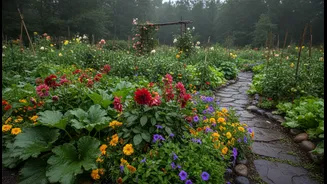
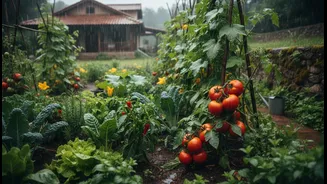
Companion planting is a smart, long-term strategy to reduce pests naturally. It involves growing specific plants together for mutual benefit. Aromatic herbs and flowers can confuse or repel pests. Planting marigolds around your vegetable beds is a classic technique to deter nematodes and whiteflies. Basil grown near tomatoes is known to repel tomato hornworms and whiteflies. In an Indian context, planting coriander near chilli plants can attract beneficial insects and provide some shade. Tulsi (Holy Basil) is another excellent companion plant that can help keep pests at bay.
Good Garden Housekeeping
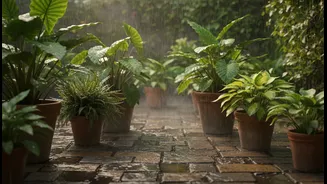
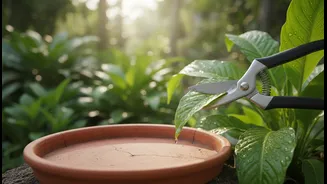
Prevention is always better than cure, and good garden hygiene is crucial during the monsoon. Ensure your pots and garden beds have excellent drainage to prevent waterlogging, which leads to root rot. Avoid overcrowding plants to improve air circulation; this helps leaves dry faster and reduces the risk of fungal diseases. Regularly prune dead or yellowing leaves and remove any fallen plant debris from the soil surface, as this material can harbour pests and fungal spores. Finally, inspect your plants regularly—at least once or twice a week—to catch any pest or disease problems early before they can spread.