


Why Your Plants Crave Humidity
Many of our favourite indoor plants, like ferns, calatheas, and orchids, are native to humid, tropical environments. When they're placed in the typically dry air of a centrally heated home, they can suffer. The moisture loss through their leaves, a process
called transpiration, speeds up, leading to symptoms like brown, crispy leaf tips, curling edges, and a generally sad appearance. While misting offers a temporary fix, the water evaporates quickly. A humidity tray, also known as a pebble tray, provides a more consistent and low-maintenance solution by creating a small, moist microclimate right where your plant needs it most.
Gathering Your Recycled Materials
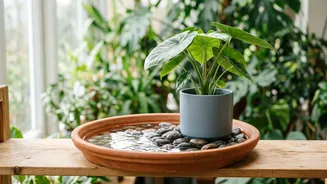
You don't need to visit a garden centre for this project; a quick look around your kitchen will do. The two main components are a shallow tray and a filler material. For the tray, look for old baking sheets, plastic food containers from salads or berries, or even a deep plate or plant saucer you no longer use. The key is that it must be waterproof. For the filler, you can use small stones or pebbles from your garden (wash them first), decorative glass beads, or marbles. These materials serve the crucial purpose of elevating your plant pot above the water line.
A Simple Step-by-Step Guide
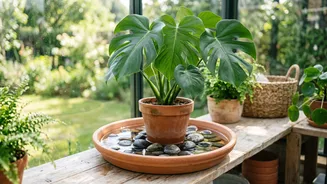
Creating your humidity tray is incredibly simple. First, spread a single, even layer of your chosen stones or pebbles inside the shallow tray. The layer should be about an inch deep. Next, place your potted plant directly on top of the stones. Make sure it sits securely without wobbling. Finally, pour water into the tray until the level is just below the top of the pebbles. The most important rule is to ensure the bottom of the plant pot is not touching the water. This prevents the soil from becoming waterlogged, which can lead to root rot—the very problem you want to avoid.
How It Works and Best Practices
The magic of a pebble tray lies in simple evaporation. The water in the tray slowly evaporates, increasing the ambient humidity in the immediate area around your plant's foliage. To maintain this effect, you'll need to top up the water every few days as it evaporates. For an even greater impact, group several plants together on one larger tray; as they release moisture through transpiration, they collectively create a more significant pocket of humidity. It's also a good idea to periodically clean the tray and stones every few weeks to prevent algae growth or mineral buildup.
Which Plants Benefit the Most?
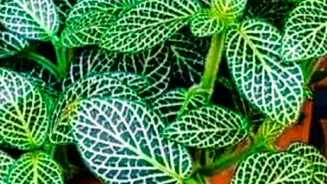
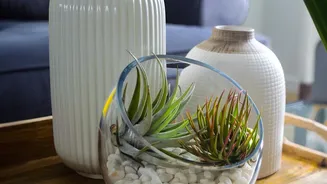
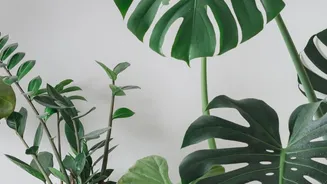
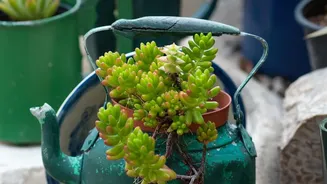
While this method helps many plants, it's particularly effective for those that are known to be humidity lovers. Think of tropical species like ferns (especially Boston ferns), prayer plants (Maranta and Calathea), orchids, peace lilies, and philodendrons. These plants will show their appreciation with lusher growth and fewer brown edges. On the other hand, plants that prefer dry conditions, such as succulents and cacti, do not need and will not benefit from a humidity tray.