







A Nation Rethinks Its Sweet Tooth
Walk down any urban street in India, and the signs of a shift are unmistakable. While colourful bottles of carbonated sodas still occupy cooler shelves, they are increasingly sharing space with a new wave of beverages that feel both ancient and modern.
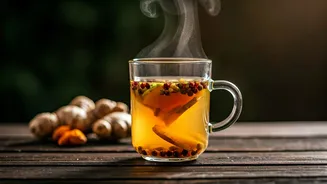
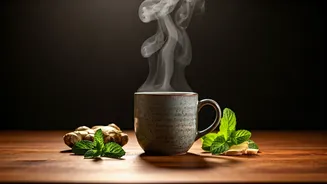
From office canteens to upscale cafes, Indians are re-evaluating their relationship with sugar. The post-lunch slump once cured by a sugary cola is now being addressed with a warming cup of ginger-tulsi tea. This isn't about deprivation; it's a conscious trade-up. Consumers are actively seeking out flavour and refreshment without the accompanying sugar load, and they are finding the answer in their own culinary backyard.
From Grandma’s Kitchen to Cafe Menus
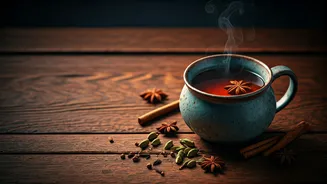
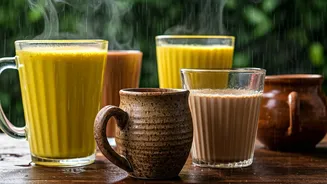
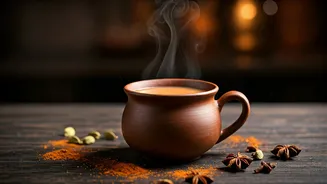
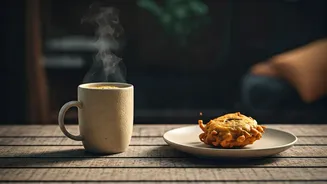
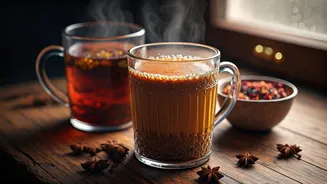
The stars of this movement are not new inventions. They are, in fact, beverages that have been staples in Indian households for generations. Think of the potent ‘kadha’—a decoction of herbs and spices like black pepper, cloves, and ginger—that grandmothers have brewed for centuries to ward off colds. Or consider the daily ritual of ‘masala chai’, a symphony of cardamom, cinnamon, and other spices that defines the rhythm of life in much of the country. For years, these drinks were confined to the home. Today, they are being rediscovered and rebranded for a new audience. Baristas are crafting artisanal masala chai lattes, and wellness brands are packaging kadha-inspired infusions, transforming home remedies into aspirational lifestyle products.
What’s Driving the Change?
This trend is fueled by a perfect storm of factors. Firstly, there is a massive, nationwide surge in health and wellness consciousness. The pandemic, in particular, accelerated this, pushing immunity and natural ingredients to the forefront of the consumer's mind. Spices like turmeric, ginger, and tulsi, long valued in Ayurveda, are now being appreciated for their scientifically-backed health benefits. Secondly, there's a growing fatigue with artificial ingredients and a strong desire for “clean labels.” People want to recognise what they are consuming. A simple tea made with real spices feels more trustworthy than a beverage with a long list of chemicals. Finally, this is also a story of cultural pride. Younger generations are embracing and reinterpreting Indian traditions, seeing them not as old-fashioned, but as authentic and sustainable.
Old Spices, New Packages
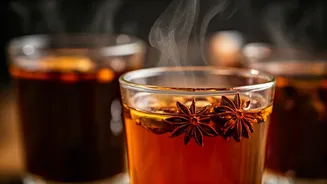
The market has been quick to respond. Dozens of startups and established players are innovating in this space. The new offerings go far beyond the simple teabag. We now see ready-to-drink bottled spice teas, convenient single-serve sachets of kadha mix, and gourmet blends featuring exotic ingredients like star anise and lemongrass alongside traditional favourites. These products are designed for the modern, time-pressed consumer. They offer the goodness of a homemade brew without the hassle of sourcing and grinding the spices. The packaging is slick, the marketing is digital-first and social-media-savvy, and the message is clear: health can be both convenient and delicious.
More Than Just a Health Kick
To dismiss this as just another fleeting health trend would be a mistake. The move towards spice teas signifies a deeper shift in the Indian consumer landscape. It represents a return to roots, a celebration of local ingredients, and a rejection of the one-size-fits-all globalised food culture. It is creating new opportunities for local farmers who grow these spices and for entrepreneurs who are building brands around them. While the sugary drink market remains immense, it is no longer unchallenged. The humble spice tea, once a simple home comfort, has become a powerful symbol of a modern, health-conscious, and proudly Indian identity.