






The Old System: A Uniform Calendar
For years, wildlife lovers operated on a predictable schedule. The core zones of most major national parks and tiger reserves, especially in central and northern India, would shut down around July 1 and reopen like clockwork on October 1. This annual
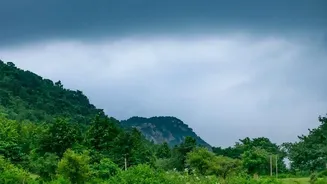
closure, mandated by the National Tiger Conservation Authority (NTCA), was essential. The monsoon is a critical breeding season for many species, including tigers. Closing the parks reduces human disturbance, allowing animals to raise their young in peace. It also provides a much-needed window for nature to regenerate and for park authorities to repair roads and infrastructure damaged by heavy rains. These unpaved tracks often become dangerously slippery or completely flooded, making safaris unsafe for visitors.
Why Stagger the Reopening?
The move towards staggered reopening dates is rooted in a more scientific and adaptive approach to park management. India's monsoon is not a monolithic event; its intensity, duration, and impact vary dramatically across the subcontinent. A park in the drier landscapes of Rajasthan might see its tracks become usable much faster than a park in the floodplains of Assam or the dense forests of Madhya Pradesh. An NTCA directive allows for this flexibility, recommending a closure of three to five months, with the exact period to be decided by state authorities based on local conditions. This allows each protected area to assess its own specific situation. Factors include the condition of safari tracks, the status of water levels in rivers and streams, and the specific breeding cycles of local fauna. This tailored approach prioritises the well-being of the ecosystem over a rigid, one-size-fits-all calendar.
Conservation Over Convenience
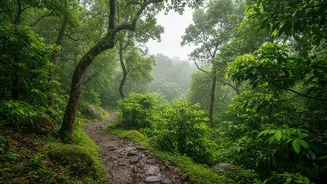
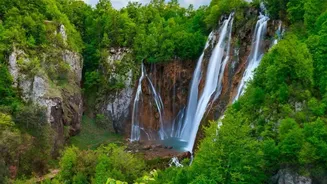
A staggered system offers significant ecological benefits. Allowing a park to remain closed for a few extra weeks if needed gives the habitat more time to recover. Fresh vegetation can grow undisturbed, and water bodies can stabilise. This is particularly crucial in areas that experience intense rainfall. For instance, parks in Central India like Kanha, Bandhavgarh, and Pench often postpone their reopening to mid-October, giving the ecosystem a valuable extra buffer. In contrast, some parks in Karnataka have historically remained open year-round due to different terrain and rainfall patterns, although this has sparked debate among conservationists. The ultimate goal of the staggered model is to minimise stress on the wildlife and their habitat, ensuring the long-term health of these precious natural reserves.
A New Reality for Tourists
For travellers, this new approach demands more flexibility and careful planning. The days of assuming all parks will open on October 1 are gone. Wildlife enthusiasts must now check the specific reopening dates for each individual park they intend to visit. Information is typically released by the respective state forest departments closer to the season. While this might seem inconvenient, it also creates new opportunities. Some parks might open earlier than expected, offering a chance for safaris in lush, post-monsoon landscapes with fewer crowds. It's also important to remember the distinction between core and buffer zones. While core areas are strictly closed, many tiger reserves keep their buffer zones open for tourism throughout the monsoon, providing a different but equally rewarding wildlife experience.
The Buffer Zone Option
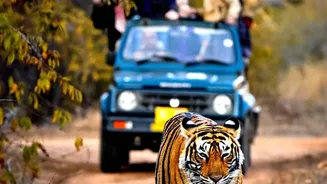
The concept of buffer zones has become key to monsoon wildlife tourism. While the core, critical habitats are given complete rest, tourism activities like jeep safaris are often permitted in the surrounding buffer areas. Parks like Ranthambore, Jim Corbett, Tadoba, and Pench have buffer zones that remain accessible. While animal sightings can be more challenging due to dense foliage and dispersed animals, the experience is unique. The forests are at their most vibrant, birdlife is prolific, and the landscape is breathtakingly green. This allows local communities and eco-tourism operators, who are dependent on park-related revenue, to have a source of income even during the traditional off-season.