
The Brilliant 'Evening Star'
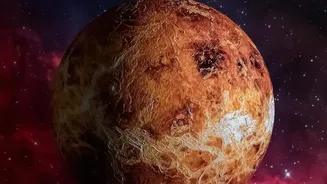
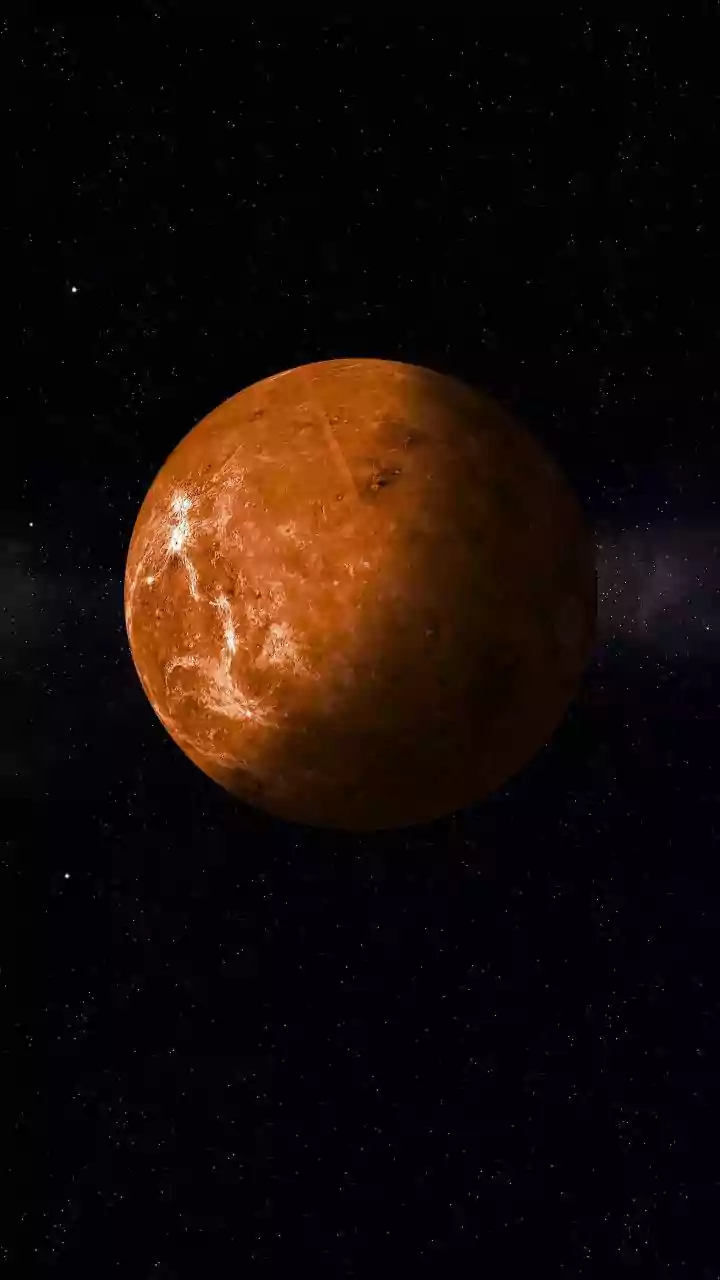
Throughout August 2026, Venus will dominate the western sky shortly after sunset, earning its famous title as the “Evening Star”. It’s not a star, of course, but a planet, and its incredible brightness is what makes it so easy to spot. Venus is the brightest
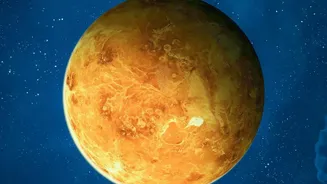
celestial object in our sky after the Sun and Moon. Its thick, highly reflective cloud cover bounces a huge amount of sunlight back into space, making it shine with a steady, silvery light that outmatches any actual star. This month offers a fantastic opportunity to see it, as it will be clearly visible in the twilight. It will remain a prominent evening object all the way through October.
When and Where to Look
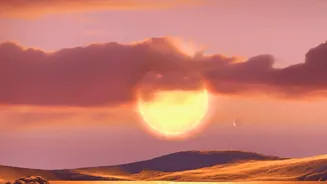
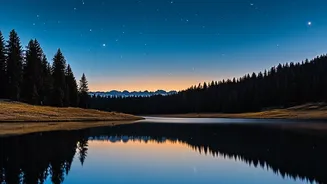
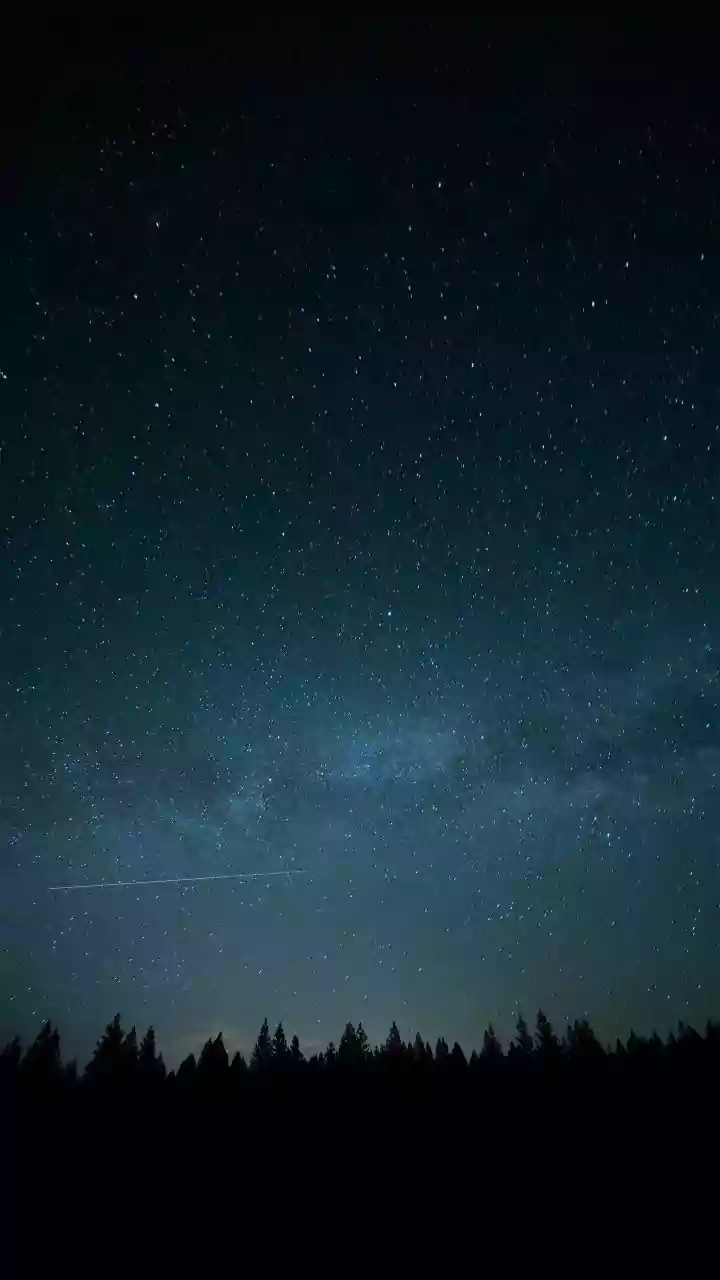
The best time to spot Venus is in the western sky right after the sun goes down. You don't need to wait for complete darkness; in fact, Venus is so bright it will pop into view during evening twilight. Look towards the direction of the sunset. On August 15th, Venus reaches what astronomers call its 'greatest elongation', meaning it will be at its farthest apparent distance from the Sun, making it particularly easy to see. For the rest of the month, continue to look low in the west-southwest in the hour after sunset.
A Simple Four-Step Guide to Finding Venus
Finding Venus requires no special equipment, just your eyes and a little bit of timing. 1. Find a good location: Choose a spot with an unobstructed view of the western horizon. Tall buildings or trees might block the view, so an open field, a balcony, or a hilltop is ideal. 2. Check the time: The prime viewing window begins just after sunset. Use a reliable source for local sunset times to plan your viewing. 3. Look West: Face the direction where the sun just set. As the sky begins to darken, scan the area above the horizon. 4. Spot the Brightest Light: You are looking for an object that is far brighter than any star around it. Venus doesn't twinkle like stars do; it shines with a constant, brilliant glow. You truly can't miss it.
Special Sightings This Month
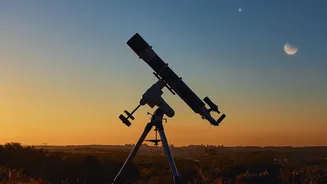
August 2026 offers a few extra treats for Venus-gazers. Around August 15th and 16th, you will be able to see a lovely crescent Moon positioned near the brilliant planet, creating a stunning cosmic duo. This close approach, known as a conjunction, is a beautiful sight for the naked eye and a fantastic photo opportunity. Also nearby will be the bright star Spica, the most prominent star in the constellation Virgo. Throughout August, you can watch as Venus appears to draw closer to Spica, heading for its own conjunction with the star in early September.
Do You Need a Telescope?
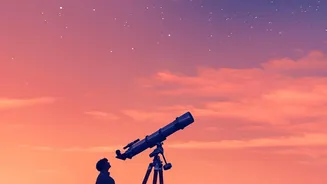
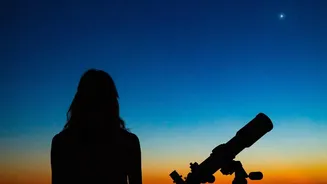
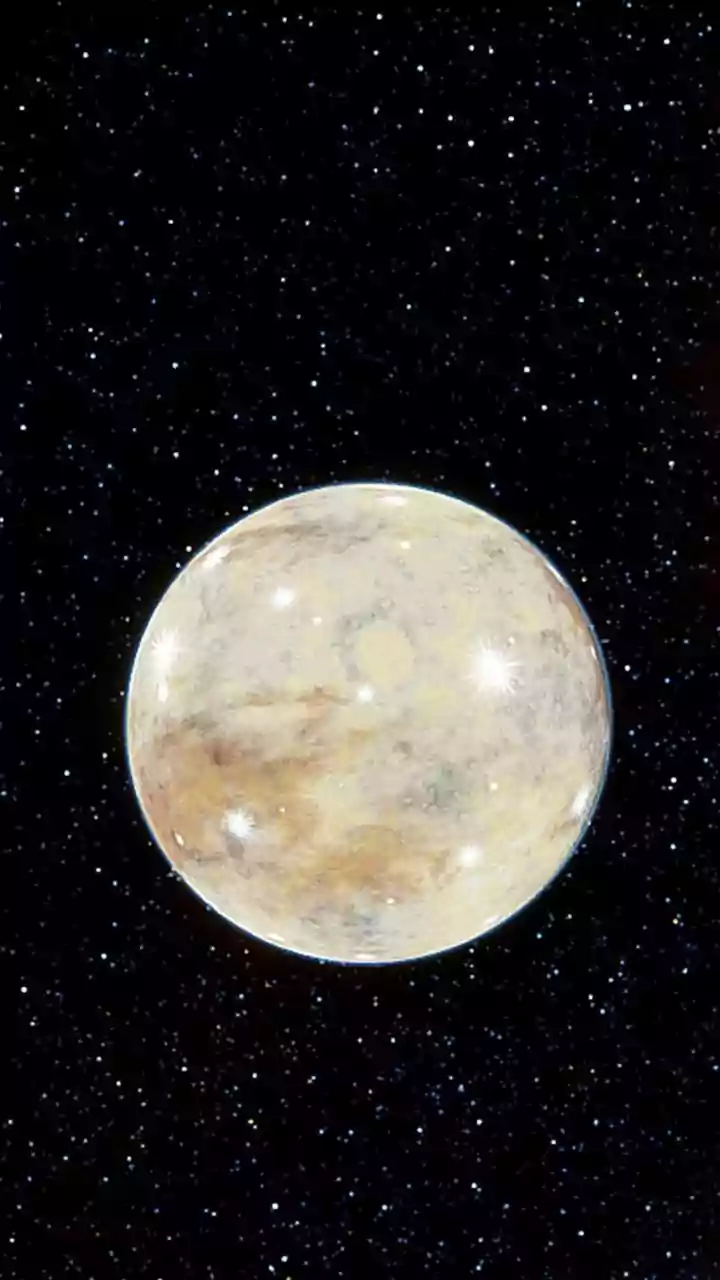
While you can easily enjoy the sight of Venus with just your eyes, using a pair of binoculars or a small telescope can reveal more detail. Through a telescope, you’ll notice that Venus goes through phases, much like our Moon. Around mid-August, Venus will appear about half-illuminated, like a tiny quarter Moon. As it gets closer to Earth in the coming weeks, its apparent size will grow, but the sliver of its crescent phase will become thinner. This counter-intuitive effect means Venus actually appears at its most brilliant not when it's 'full', but when it's a crescent, because it is closer to us then.