





More Than Just a Pretty Latte
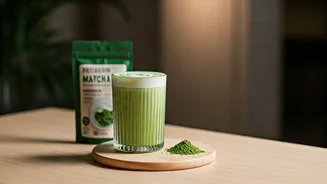
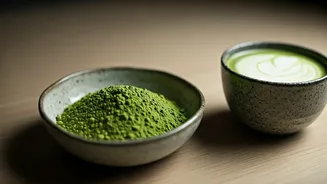
Before it was the star of a million aesthetically pleasing Instagram posts, matcha was, and still is, a cornerstone of Japanese culture. Yet, its current fame is undeniably visual. The vivid green hue makes for a striking photo, whether it’s in a minimalist
ceramic bowl or a takeaway cup. Cafes across India, from Mumbai to Delhi, now boast extensive matcha menus, offering everything from classic hot tea to inventive matcha-based concoctions. This photogenic quality, combined with its association with a clean, mindful lifestyle, has turned it into the beverage of choice for a generation that values wellness as much as aesthetics.
A Centuries-Old Ritual
To dismiss matcha as a mere trend is to ignore its rich history. The practice of preparing powdered tea originated in China but was refined into a high art form in Japan by Zen Buddhist monks in the 12th century. They used matcha to aid in meditation, finding its unique properties helped them remain alert yet calm for long periods of focus. Unlike regular green tea, where leaves are steeped in water and discarded, matcha involves consuming the entire leaf. The tea plants are shade-grown for several weeks before harvest, which increases their chlorophyll and amino acid content, resulting in that brilliant green colour and a complex, umami flavour profile.
The Science Behind the Sip
The wellness claims surrounding matcha are a huge part of its appeal. It’s often touted as a healthier alternative to coffee. Both contain caffeine, but matcha’s energy boost is different. It contains a powerful amino acid called L-theanine, which is known to promote relaxation and reduce stress without causing drowsiness. The combination of caffeine and L-theanine is said to produce a state of ‘calm alertness’, a sustained energy lift without the jitters or subsequent crash often associated with coffee. Matcha is also packed with catechins, a type of antioxidant. One catechin, in particular, EGCG (epigallocatechin gallate), is believed to have various health benefits, though research is ongoing. Because you ingest the whole leaf, a single serving of matcha is far more potent in these compounds than a cup of steeped green tea.
The Digital Green Rush
The internet, particularly Instagram and TikTok, has been the primary engine of matcha’s global takeover. The hashtag #matcha has billions of views, attached to everything from simple 'how-to' videos on preparing the perfect bowl to elaborate recipes for matcha-infused sourdough. Influencers post their morning matcha rituals as a symbol of self-care. The trend was further amplified by the viral Dalgona coffee craze, which quickly spawned a Dalgona matcha version. This online exposure has demystified the drink, making it accessible and aspirational for a worldwide audience that might never have encountered it otherwise. It’s a perfect case study in how social media can transform an ancient tradition into a modern, global phenomenon.
From Tea to Treats (and Beyond)
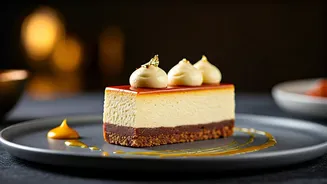
The revolution isn’t confined to a cup. The ‘matcha everything’ philosophy has seen the powder incorporated into an ever-expanding list of products. Walk into a bakery, and you’re likely to find matcha croissants, cakes, and cookies. Ice cream parlours offer matcha-flavoured scoops as a standard flavour. The culinary world has embraced its earthy, slightly sweet flavour, using it in both sweet and savoury dishes. The trend has even seeped into the beauty industry, with matcha appearing as an antioxidant-rich ingredient in face masks, cleansers, and serums. This versatility is key to its staying power; it has evolved from a beverage into a flavour profile and a wellness signal.