


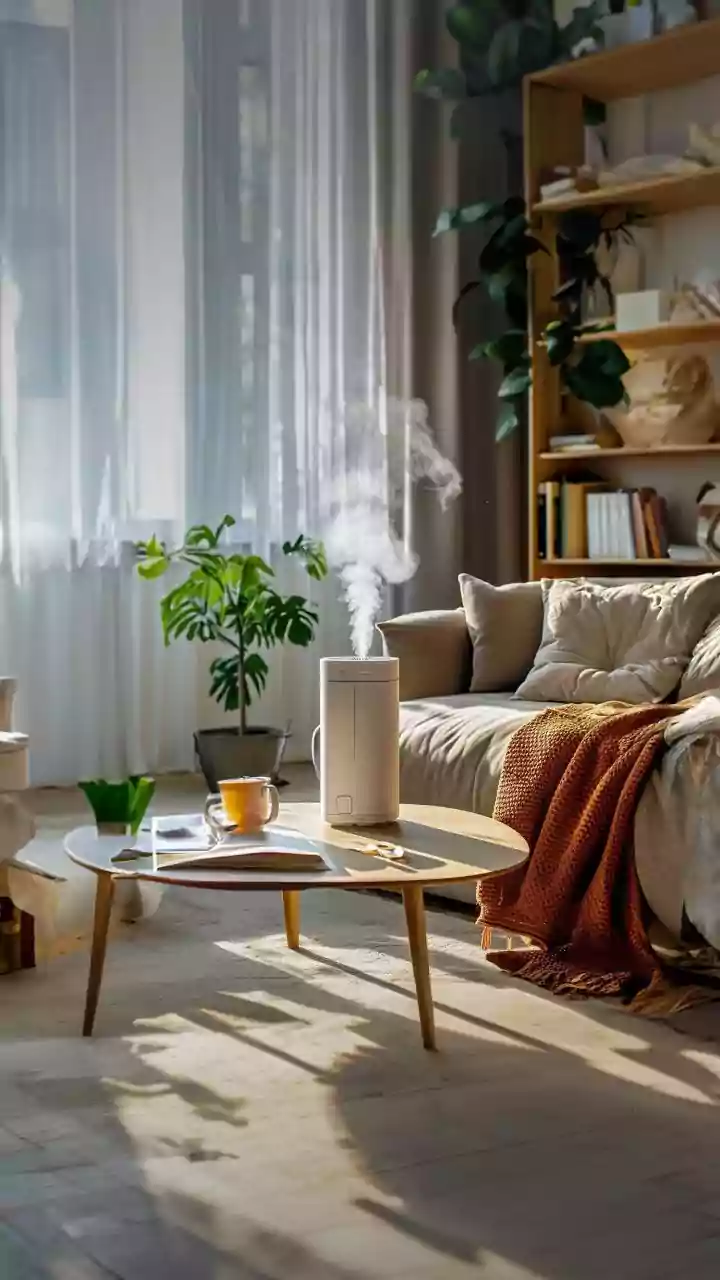




Time Your Window Openings
It might seem wrong to open windows when it's raining, but timing is everything. The key is to seize dry spells, no matter how brief. Open your windows during drier hours, often in the morning or when the rain subsides, to let fresh air circulate and
push out the stale, humid indoor air. Even opening them for just 30-60 minutes can make a significant difference in reducing moisture buildup and preventing that sticky feeling inside your home. During these times, throw open curtains as well to let in any available sunlight, which is a natural disinfectant.
Master Cross-Ventilation
One of the most effective natural methods for clearing out humid air is cross-ventilation. This involves opening windows or doors on opposite sides of a room or your home to create a pathway for air to flow through. This current of air physically pushes out the warm, moist air that tends to rise and get trapped, replacing it with cooler, drier air from outside. This simple technique not only improves air quality but also helps in flushing out pollutants and reducing the musty odours that are common during the monsoon. For this to work effectively, ensure the path between the openings is relatively clear of obstructions.
Put Your Fans to Work
Your fans are powerful tools against monsoon dampness. Run ceiling fans even when you are not in the room to maintain constant air circulation, which prevents humid air from settling on walls and furniture. In bathrooms and kitchens, always run the exhaust fan during and after activities that produce steam, like showering or cooking. An exhaust fan pulls the moisture-laden air directly out of the house before it has a chance to spread and condense in cooler areas, which is crucial for preventing mould growth.
Declutter and Create Space
Dampness and mould love dark, stagnant corners. During the monsoon, pay special attention to areas where air doesn't circulate well. Pull your furniture, like sofas and large cupboards, a few inches away from the walls. This small gap allows air to flow behind them, preventing moisture from getting trapped and discouraging fungal growth on both your walls and your furniture. The same principle applies to closets. Avoid over-stuffing wardrobes; leave small gaps between garments to allow air to move.
Tackle Closet and Cabinet Dampness
Wardrobes and storage cabinets are hotspots for musty smells and mildew. Never put away clothes or linen that are even slightly damp. To combat moisture, place moisture absorbers inside. Silica gel packets are a great option, as are more traditional remedies like camphor balls or dried neem leaves, which also help repel insects. You can also make your own natural dehumidifiers by placing bowls of coarse salt or activated charcoal sachets in the corners of cupboards. These materials naturally draw moisture from the air.
Use a Dehumidifier Strategically
For homes in extremely humid areas, an electric dehumidifier can be a game-changer. These appliances work by pulling excess moisture from the air, helping to maintain a comfortable and healthy indoor environment. They are particularly useful in poorly ventilated rooms, basements, or areas where mould has been a recurring problem. If you don't have a dehumidifier, you can use an air conditioner on its 'dry mode' setting, which performs a similar function by cooling the air and removing moisture without dropping the temperature too drastically.