




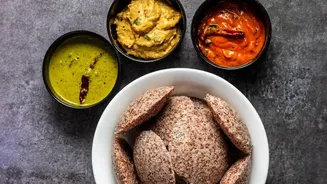
The Science Behind Millets and Blood Sugar
The primary reason millets are recommended for blood sugar management is their low Glycemic Index (GI). The GI scale measures how quickly a food causes blood sugar to rise. Refined grains like white rice and maida have a high GI, causing rapid sugar spikes.
In contrast, most millets have a low-to-medium GI, meaning they release glucose into the bloodstream slowly and steadily. This is largely due to their high content of dietary fibre and complex carbohydrates. Fibre slows down the entire digestive process, which prevents the sudden rush of sugar into your system after a meal. This not only aids in better blood sugar control but also promotes a feeling of fullness, which can help with weight management — a key aspect of diabetes care.
Meet the Millet All-Stars
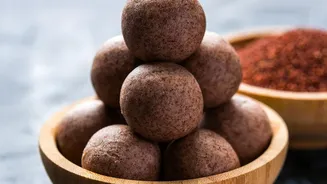
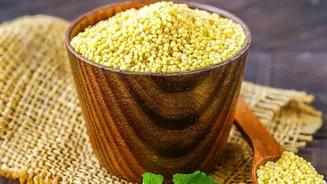
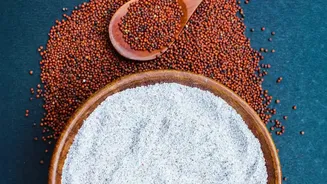
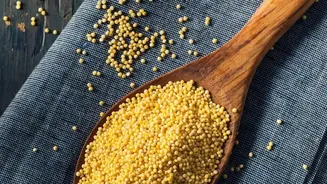
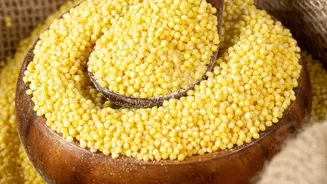
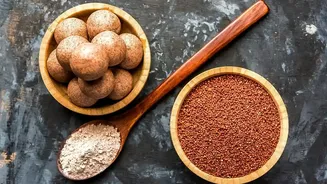
While most millets are beneficial, a few are particularly great for Indian diets. Jowar (Sorghum) is a versatile, gluten-free grain rich in fibre. Bajra (Pearl Millet) is another powerhouse known for its high magnesium content, which plays a role in improving insulin sensitivity. Ragi (Finger Millet) is a champion of calcium and also contains polyphenols that further slow down starch digestion. Other excellent choices include Foxtail Millet, often recommended for its balance of protein and fibre, and Barnyard Millet, which has one of the lowest GI values among all millets. Incorporating a variety of these grains ensures a broader spectrum of nutrients.
Upgrade Your Snack-Time: Millet-Based Ideas
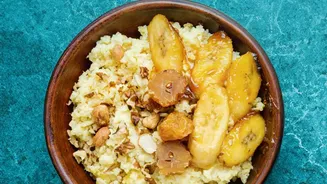
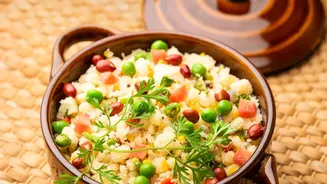
The best part about millets is that they can be easily integrated into snacks you already love. Instead of giving up your favourite treats, you can give them a healthy makeover. The key is to swap refined flours and grains with their millet counterparts. This simple change can make a significant difference to the nutritional profile and glycemic impact of your snack, turning it from a potential problem into a beneficial part of your diet. Many traditional recipes can be adapted with minimal effort for a tasty and diabetes-friendly result.
Jowar and Bajra Khakhra
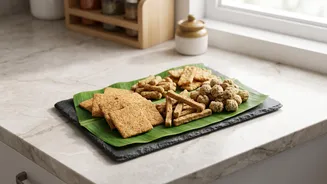
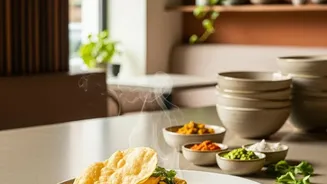
A staple in Gujarati households, khakhra is a thin, roasted cracker that’s perfect for a light, crunchy snack. By replacing wheat flour with Jowar or Bajra flour, you create a snack that is high in fibre and has a much lower glycemic impact. These are dry-roasted, not fried, which keeps the fat content low. Pair them with a simple yogurt dip or have them on their own for a guilt-free munch that won't disrupt your blood sugar levels.
Ragi (Finger Millet) Dosa or Cheela
Transform the classic South Indian dosa into a nutrient-dense meal. A batter made from Ragi flour is not only rich in calcium and iron but also has a favourable GI. Unlike dosas made from polished rice, Ragi dosas help in slower sugar release. You can make them savoury by adding chopped onions and green chillies to the batter or prepare them as a simple, plain crepe to be eaten with a side of sambar and chutney. A Ragi cheela is a similar, easy-to-make North Indian alternative.
Mixed Millet Bhel
Who doesn't love a tangy plate of bhel? Give this street food favourite a healthy twist by swapping puffed rice with puffed millets. You can find puffed Ragi, Jowar, and other millet varieties readily available. These are light, crunchy, and serve as a perfect base. Toss them with chopped tomatoes, onions, boiled potatoes, and a sprinkle of sev. Finish with a drizzle of tamarind and mint chutneys for a snack that is both delicious and significantly healthier than the original.
Steamed Millet Muthiya or Dumplings
Muthiya, a popular steamed snack, can be easily adapted for a diabetic-friendly diet. Prepare the dough using Bajra or Jowar flour combined with chickpea flour (besan) and grated vegetables like bottle gourd (doodhi) or fenugreek leaves (methi). Season with ginger, green chilli, and spices. These dumplings are steamed, not fried, making them a low-calorie, high-fibre option that is gentle on blood sugar. They are filling, flavourful, and incredibly wholesome.