





A Shift in Traveller Mindset
The post-pandemic era has ushered in a new set of priorities for Indian travellers. The focus is shifting from simply seeing places to experiencing them in a more meaningful way. A rising awareness of mental and physical well-being, coupled with digital
fatigue, has led to a surge in demand for trips that offer rejuvenation and a connection with oneself. Travellers are increasingly looking for experiences that combine physical well-being, mental health, and time in nature, moving away from short, destination-focused trips toward digital detoxes and longer stays in natural surroundings. This shift is not just a fleeting trend; it reflects a deeper change in consumer preferences, where authenticity and personal growth are valued over conventional sightseeing.
The Boom in Wellness and Healing
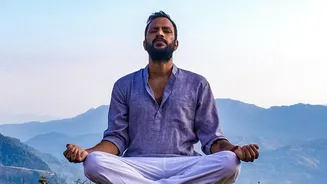
India, with its deep-rooted traditions of Ayurveda, yoga, and meditation, is uniquely positioned to cater to this growing demand. The country's wellness tourism market is experiencing significant growth, with projections showing it could reach over USD 61 billion by 2034. Destinations like Kerala, renowned for its Ayurvedic treatments, and Uttarakhand, a global hub for yoga in places like Rishikesh, are at the forefront of this movement. This sector is expanding beyond traditional retreats to include digital-detox escapes, which are projected to be the fastest-growing category. The government is also actively promoting this growth through initiatives like the 'Heal in India' campaign and the introduction of a special AYUSH visa for foreign nationals seeking traditional treatments.
Redefining the Spiritual Quest
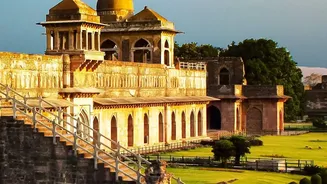
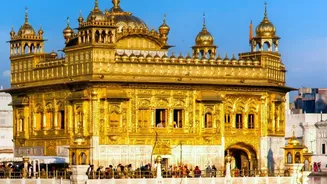
Spiritual travel has always been a cornerstone of domestic tourism in India, but it's now undergoing a significant transformation. It's no longer just about completing a pilgrimage; it's about embarking on an experience-led journey. Travellers are seeking cultural immersion, local storytelling, and community engagement alongside their faith. This has led to the development of integrated tourism circuits that combine faith with heritage, wellness, and local culture. Destinations like Varanasi, Ayodhya, and Ujjain are evolving from single-purpose pilgrim stops into holistic tourism ecosystems. This new approach is also attracting younger generations, who often plan and join these trips with their families, seeking a blend of tradition and comfort.
An Immersion in Nature
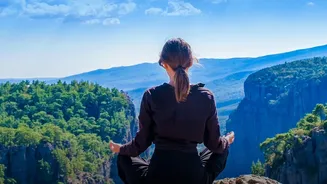
The desire to escape urban confines has fuelled a powerful surge in nature-based tourism. From wildlife safaris and community homestays to low-impact adventure tours, ecotourism is booming. This segment is projected to grow significantly, with some reports estimating its market size could reach USD 4.55 billion by 2027. This type of travel goes beyond just appreciating scenic beauty; it’s about deeper engagement. Travellers are increasingly seeking out naturalist-led forest journeys, birding treks, and experiences that offer an education on local ecology and conservation. This not only provides a more meaningful experience for the visitor but also creates sustainable livelihoods for local communities and promotes conservation efforts in ecologically sensitive areas.
The Path to Conscious Travel
This evolution in India's tourism market signals a broader move towards more conscious and responsible travel. Government initiatives like Swadesh Darshan 2.0 and the PRASHAD scheme are focused on developing sustainable destination infrastructure, particularly around pilgrimage and nature-based sites. The trend is fostering economic growth in rural and remote areas, empowering local communities, and helping to preserve India's rich natural and cultural heritage. By choosing these experiences, travellers are not just investing in their own well-being but are also contributing to a more sustainable and inclusive tourism model for the future.